The 44th G7 Summit: La Malbaie, Quebec, Canada - June 8, 2018
2018 · La Malbaie, Canada
The 44th G7 summit begins in La Malbaie, Quebec, Canada, focusing on trade disputes and international relations.
May 26, 2016
The leaders of the Group of Seven (G7) meet in Ise-Shima, Japan, to discuss global economic issues, terrorism, and the refugee crisis.
Ise-Shima, Japan | G7
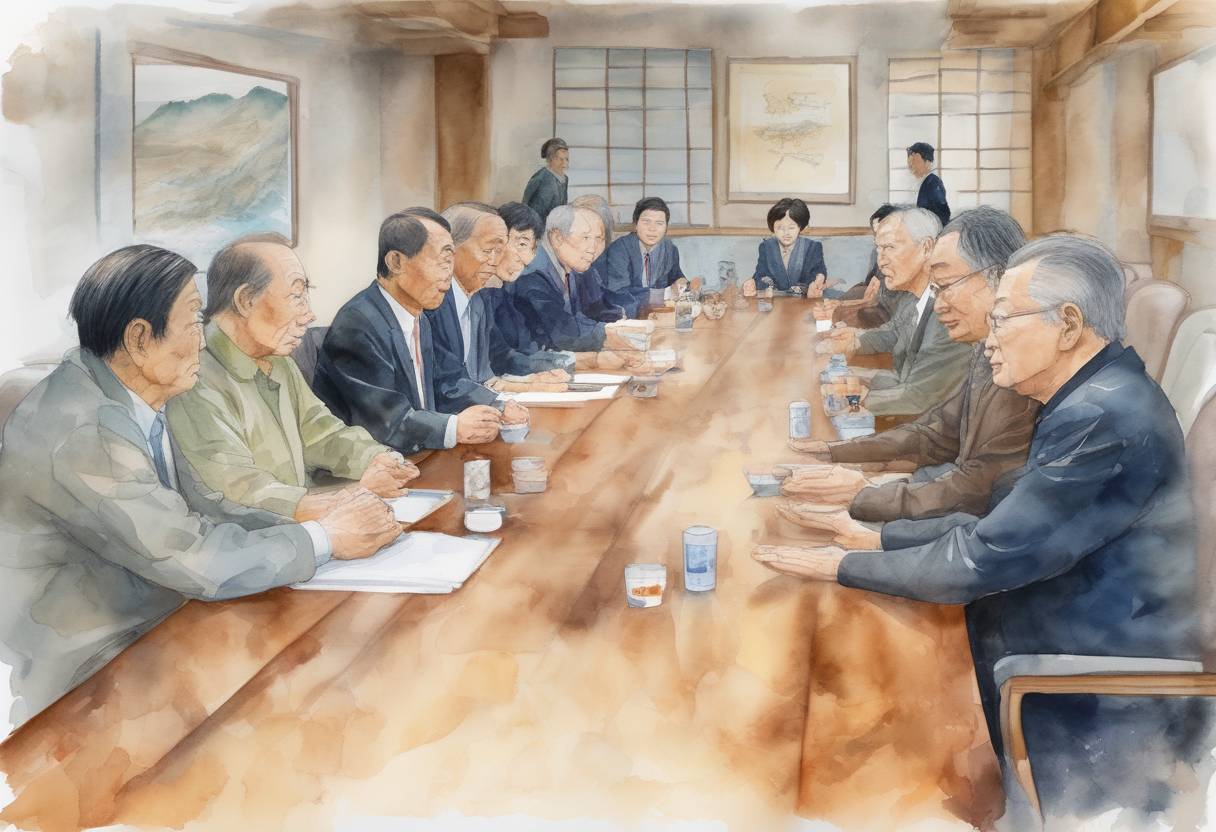
On May 26, 2016, the leaders of the Group of Seven (G7) convened in Ise-Shima, Japan, for a two-day summit to address pressing global issues. The G7, comprising Canada, France, Germany, Italy, Japan, the United Kingdom, and the United States, along with the European Union, gathered to discuss a range of topics including global economic challenges, terrorism, and the ongoing refugee crisis.
The G7 summit in 2016 took place against a backdrop of significant global economic uncertainty. The world was still grappling with the aftermath of the 2008 financial crisis, and there were growing concerns about sluggish economic growth, particularly in emerging markets. Additionally, geopolitical tensions and security threats from terrorism were on the rise, alongside a humanitarian crisis stemming from conflicts in the Middle East and North Africa, which had led to a massive influx of refugees into Europe.
The 2016 G7 summit in Ise-Shima was significant for its focus on fostering global economic stability and addressing transnational challenges through multilateral cooperation. The discussions highlighted the interconnected nature of modern global issues and the necessity for collaborative efforts among major world economies to address them effectively.
The summit’s outcomes reflected the G7’s role as a forum for dialogue and coordination on critical global matters, setting the stage for ongoing international efforts to tackle economic, security, and humanitarian challenges.
Source: www.bbc.com