Development of the Centigrade Temperature Scale by Jean-Pierre Christin
1743 · Lyon, France
Jean-Pierre Christin developed the centigrade temperature scale, which later became known as the Celsius scale.
July 4, 1987
In France, former Gestapo chief Klaus Barbie was convicted of crimes against humanity and sentenced to life imprisonment.
Lyon, France | French Judiciary
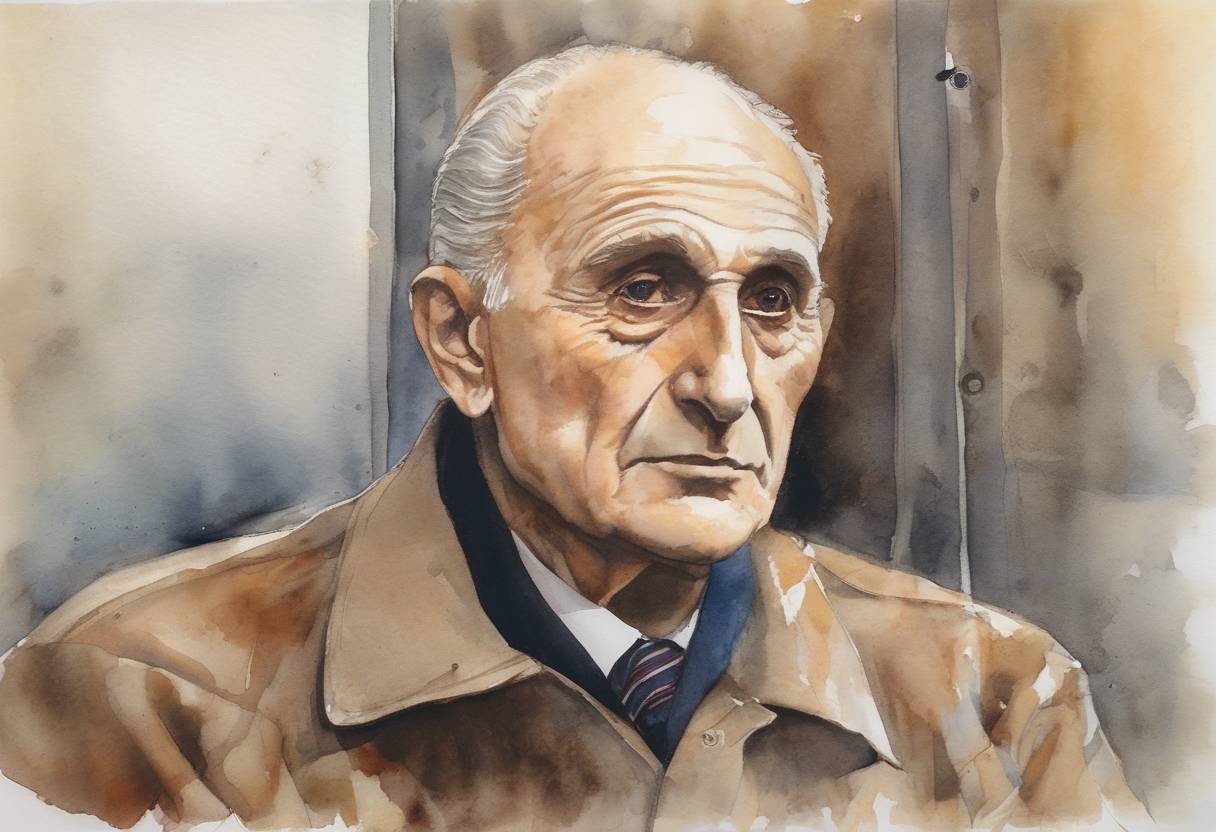
On July 4, 1987, Klaus Barbie, the former Gestapo chief known as the “Butcher of Lyon,” was convicted of crimes against humanity and sentenced to life imprisonment in France. This verdict marked the culmination of a lengthy legal process and was a significant moment in the post-World War II pursuit of justice for Nazi war crimes.
Klaus Barbie was born on October 25, 1913, in Bad Godesberg, Germany. During World War II, he served as an SS officer and became the head of the Gestapo in Lyon, France, from 1942 to 1944. Barbie was notorious for his brutal methods, including torture and deportation of Jews and resistance fighters. He was implicated in the deaths of thousands, including the capture and deportation of 44 Jewish children from the village of Izieu.
After the war, Barbie evaded capture by fleeing to South America, where he lived under the alias Klaus Altmann. He worked for various regimes, including the Bolivian government, and was protected from extradition for many years.
In 1971, Barbie was discovered living in Bolivia. After years of diplomatic and legal efforts, he was extradited to France in 1983. His trial began in Lyon in May 1987, drawing international attention due to the gravity of the charges and the historical context.
The trial was significant for several reasons:
On July 4, 1987, after a trial that lasted over two months, Klaus Barbie was found guilty of crimes against humanity. The court sentenced him to life imprisonment, the maximum penalty under French law. The charges included the deportation of Jews and the torture and execution of resistance fighters.
Barbie’s conviction was a landmark in the pursuit of justice for Holocaust victims and served as a reminder of the enduring impact of World War II atrocities. He died in prison on September 25, 1991, at the age of 77.
The trial of Klaus Barbie underscored the importance of legal accountability for war crimes and contributed to the broader understanding of the Holocaust’s impact on history and memory. It also highlighted the challenges and complexities involved in bringing war criminals to justice decades after their crimes were committed.
Source: en.wikipedia.org