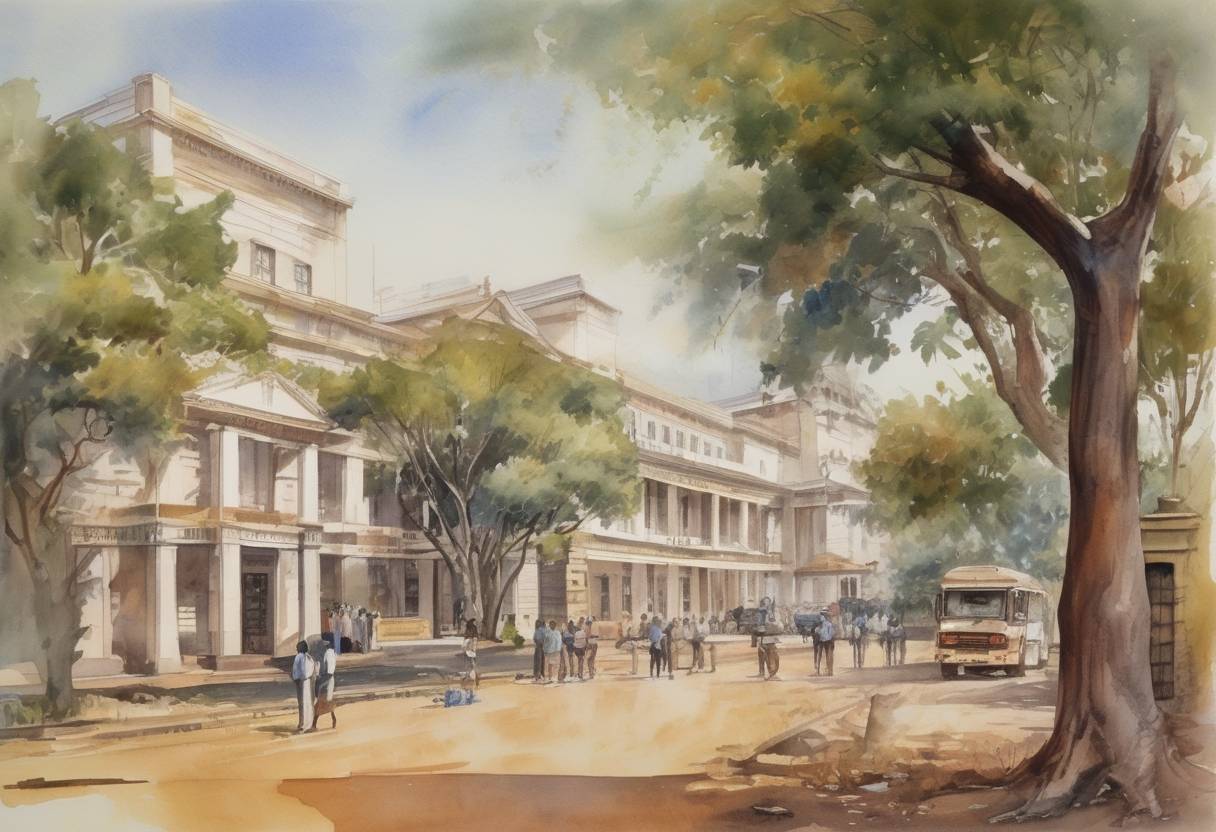
The Establishment of the Republic of Zimbabwe: April 18, 1980
On April 18, 1980, the Republic of Zimbabwe was officially established, marking the end of British colonial rule and the beginning of independence for the nation formerly known as Rhodesia. This significant event was the culmination of a long and tumultuous struggle for sovereignty and self-determination by the African majority against a backdrop of colonialism and minority rule.
Historical Context
Colonial Rule and Rhodesia
- British South Africa Company: The region that would become Zimbabwe was initially administered by the British South Africa Company in the late 19th century, under the leadership of Cecil Rhodes.
- Southern Rhodesia: In 1923, Southern Rhodesia became a self-governing British colony, with a predominantly white minority government.
- Unilateral Declaration of Independence (UDI): In 1965, Prime Minister Ian Smith’s government declared independence from Britain unilaterally, establishing Rhodesia as a state under white minority rule, which was not recognized internationally.
Liberation Struggle
- African Nationalism: The 1960s and 1970s saw the rise of African nationalist movements, notably the Zimbabwe African National Union (ZANU) and the Zimbabwe African People’s Union (ZAPU), which fought against the Rhodesian government.
- Bush War: The conflict, known as the Rhodesian Bush War or the Second Chimurenga, was a protracted guerrilla war involving these nationalist forces against the Rhodesian government.
Path to Independence
Lancaster House Agreement
- Negotiations: In 1979, negotiations were held at Lancaster House in London, involving the British government, the Rhodesian government, and the nationalist leaders.
- Agreement: The Lancaster House Agreement laid the groundwork for a ceasefire, a new constitution, and democratic elections, paving the way for majority rule.
Elections and Transition
- Elections: In February 1980, elections were held under British supervision. Robert Mugabe’s ZANU-PF party won a majority, leading to his appointment as Prime Minister.
- Independence Day: On April 18, 1980, Zimbabwe officially gained independence, with a ceremony attended by international dignitaries, including Prince Charles, representing the British Crown.
Significance and Aftermath
- End of Colonial Rule: Zimbabwe’s independence marked the end of nearly a century of colonial rule and minority governance.
- New Challenges: The new nation faced significant challenges, including economic restructuring, reconciliation, and development.
- Robert Mugabe’s Leadership: Mugabe’s leadership would become a defining feature of Zimbabwe’s post-independence history, with his tenure lasting until 2017.
The establishment of the Republic of Zimbabwe was a landmark event in African history, symbolizing the triumph of the struggle for independence and the broader decolonization movement across the continent.