Naoto Kan Elected as Prime Minister of Japan
2010 · Tokyo, Japan
Naoto Kan was elected as the Prime Minister of Japan, succeeding Yukio Hatoyama. Kan's election came amid political turmoil and economic challenges in Japan.
February 29, 2012
Tokyo Skytree, the tallest structure in Japan and the second tallest in the world at the time, was completed, marking a significant achievement in engineering and architecture.
Tokyo, Japan | Tobu Railway and Tobu Tower Skytree Co., Ltd.
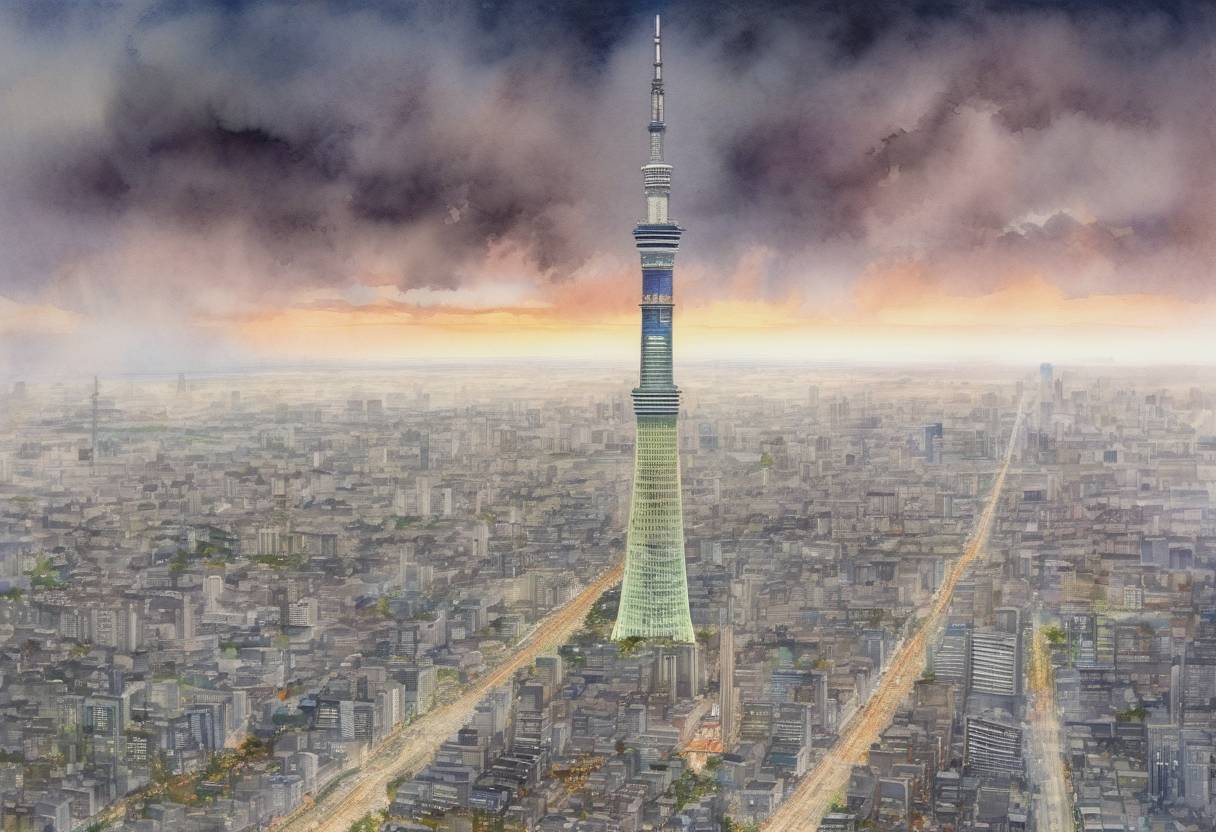
On February 29, 2012, the Tokyo Skytree was completed, marking a significant milestone in engineering and architectural achievement. Standing at 634 meters (2,080 feet), it became the tallest structure in Japan and the second tallest in the world at the time, surpassed only by the Burj Khalifa in Dubai.
The Tokyo Skytree was constructed primarily to serve as a broadcasting tower. It was designed to replace the aging Tokyo Tower, which had become inadequate for digital terrestrial television broadcasting due to the increasing height of surrounding buildings. Additionally, the Skytree was intended to be a major tourist attraction and a symbol of Tokyo’s modernity and technological prowess.
Architectural Design: The design of the Tokyo Skytree was inspired by traditional Japanese architecture, particularly the pagoda, which is known for its earthquake-resistant properties. The structure features a unique “neo-futuristic” design, blending traditional aesthetics with cutting-edge technology.
Engineering Feats: The Skytree’s construction involved several engineering innovations. It was built using a central column damping system, which enhances its stability during earthquakes, a crucial consideration given Japan’s seismic activity.
Construction Timeline: Construction began in July 2008 and was completed in February 2012. The project was managed by Tobu Railway and a consortium of six terrestrial broadcasters headed by NHK.
Observation Decks: The Skytree features two observation decks, offering panoramic views of Tokyo. The first deck is located at 350 meters, while the second, known as the Tembo Galleria, is at 450 meters.
Broadcasting Facilities: The tower’s primary function is to transmit television and radio signals, ensuring clear reception across the Kanto region.
Commercial Complex: At the base of the Skytree is a large commercial complex, including shopping, dining, and entertainment facilities, further enhancing its appeal as a tourist destination.
The completion of the Tokyo Skytree had several significant impacts:
Tourism: It quickly became a major tourist attraction, drawing millions of visitors annually and contributing to Tokyo’s economy.
Broadcasting: The tower improved the quality and reach of digital broadcasting in the region, addressing previous limitations.
Symbolism: As a symbol of Japan’s resilience and innovation, the Skytree represents the country’s ability to blend tradition with modernity, standing as a testament to its engineering capabilities.
In conclusion, the completion of the Tokyo Skytree on February 29, 2012, was a landmark event in Japan’s architectural and engineering history, showcasing the nation’s commitment to innovation and excellence.
Source: www.japantimes.co.jp