2005 · Kyiv, Ukraine
The Eurovision Song Contest 2005 takes place in Kyiv, Ukraine, with Greece winning for the first time with the song 'My Number One' performed by Helena Paparizou.
May 24, 1956
The first Eurovision Song Contest is held in Lugano, Switzerland, with Switzerland winning the inaugural competition.
Lugano, Switzerland | European Broadcasting Union
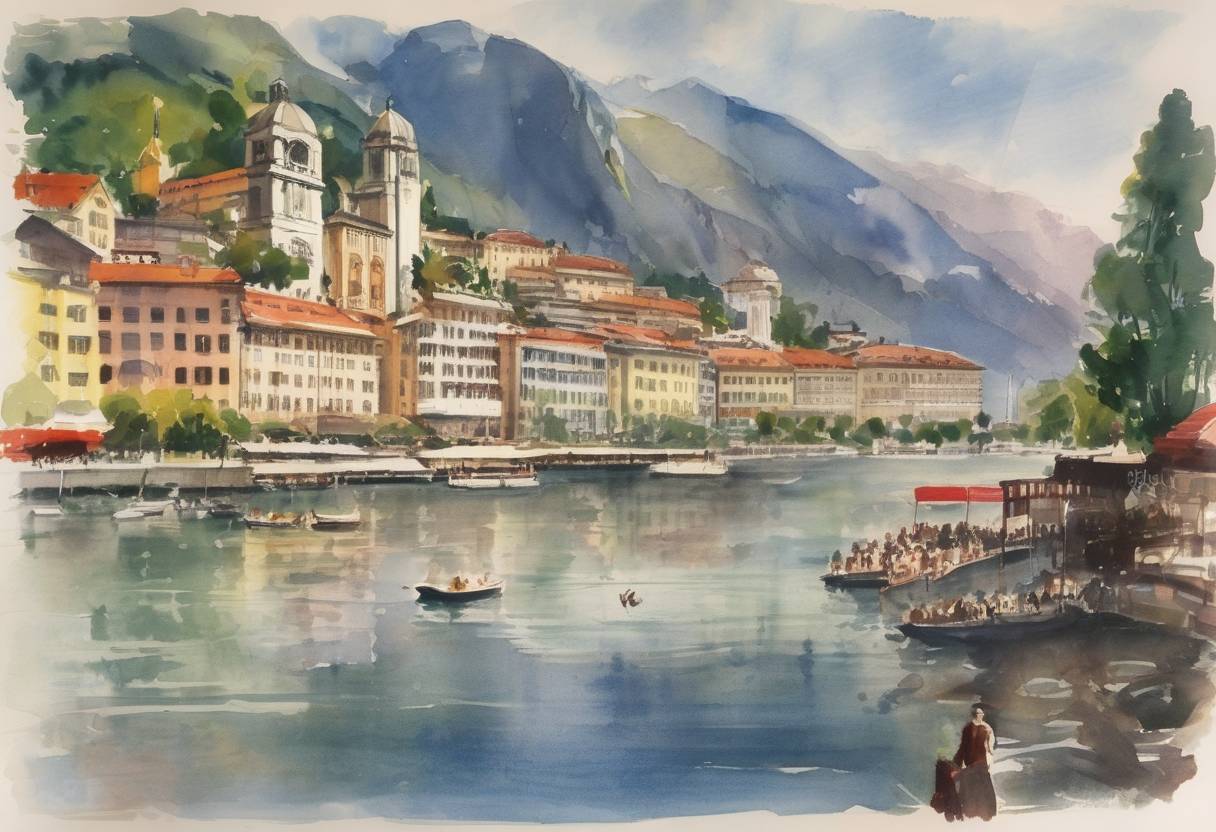
On May 24, 1956, the inaugural Eurovision Song Contest was held in Lugano, Switzerland. This event marked the beginning of what would become one of the world’s longest-running and most-watched international music competitions.
The Eurovision Song Contest was conceived by the European Broadcasting Union (EBU) as a means to unite European countries through a shared television experience, fostering cultural exchange and cooperation in the post-World War II era. The idea was inspired by the Sanremo Music Festival in Italy and aimed to leverage the burgeoning medium of television to bring nations together.
Lys Assia’s performance of “Refrain” secured Switzerland’s victory, making her the first-ever winner of the Eurovision Song Contest.
The 1956 Eurovision Song Contest laid the groundwork for what would become a significant cultural event in Europe and beyond. Over the years, the contest has grown to include over 40 countries, expanding beyond Europe to include nations such as Australia. It has launched the careers of numerous artists, including ABBA and Celine Dion, and has become a platform for showcasing diverse musical styles and cultural expressions.
The contest’s format has evolved significantly since 1956, with changes in voting systems, the introduction of semi-finals, and the incorporation of televoting. Despite these changes, the core mission of promoting unity and cultural exchange through music remains unchanged.
The Eurovision Song Contest continues to be a symbol of European cooperation and creativity, attracting millions of viewers worldwide each year.
Source: www.eurovision.tv