North Korea's First Successful ICBM Test on July 4, 2017
2017 · Pyongyang, North Korea
North Korea conducted its first successful test of an intercontinental ballistic missile (ICBM), claiming it could reach the United States.
July 4, 2009
North Korea launched seven ballistic missiles into the Sea of Japan, escalating tensions in the region and drawing international condemnation.
Pyongyang, North Korea | North Korean Government
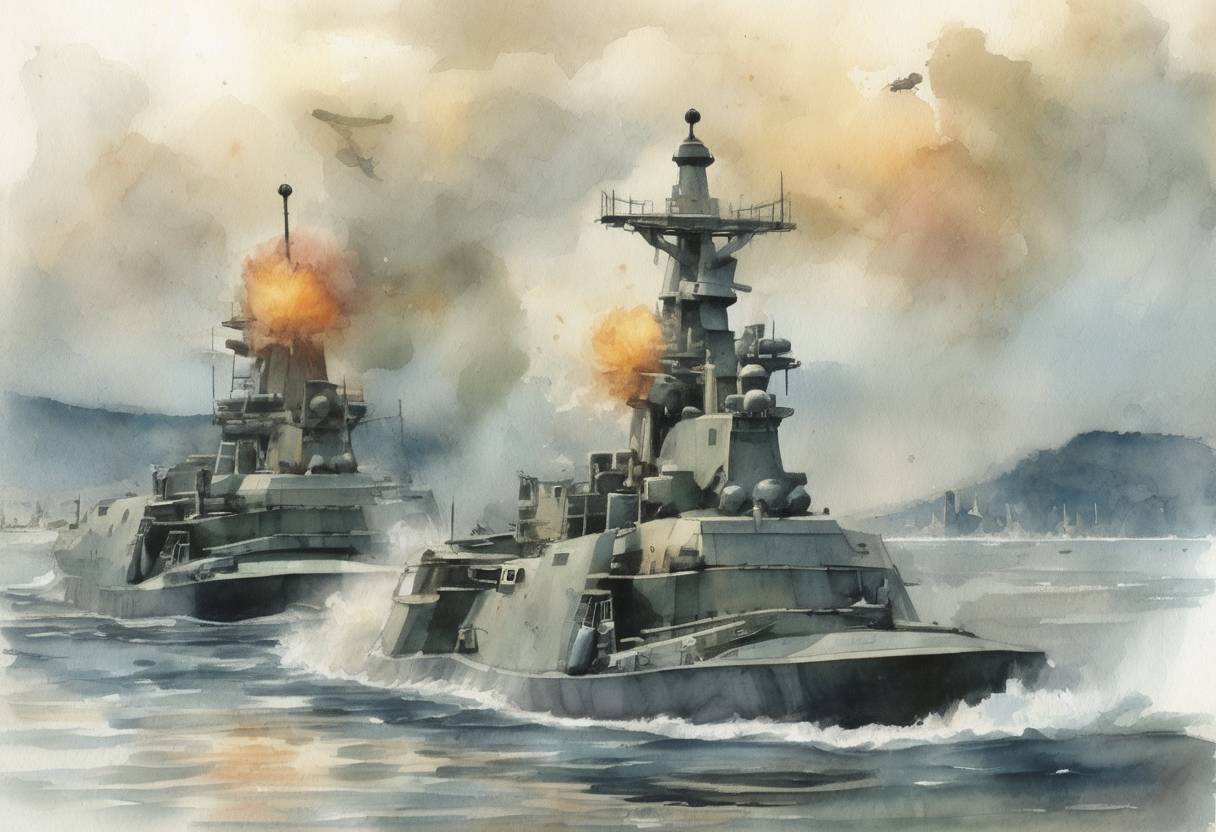
On July 4, 2009, North Korea conducted a provocative military action by launching seven ballistic missiles into the Sea of Japan. This event significantly escalated tensions in the region and drew widespread international condemnation.
The missile launches occurred against a backdrop of heightened tensions on the Korean Peninsula. Earlier in 2009, North Korea had conducted a nuclear test on May 25, which was met with global criticism and led to the United Nations Security Council adopting Resolution 1874. This resolution imposed stricter sanctions on North Korea, aiming to curb its nuclear and missile programs.
The choice of July 4 was seen as particularly symbolic, coinciding with the United States’ Independence Day, which many interpreted as a direct challenge to the U.S. and its allies.
The missile tests were met with swift condemnation from several countries and international bodies:
The missile launches further isolated North Korea diplomatically and economically. The international community, led by the United States, Japan, and South Korea, continued to push for the enforcement of UN sanctions. These actions aimed to pressure North Korea into abandoning its nuclear ambitions and returning to the Six-Party Talks, a multilateral effort to denuclearize the Korean Peninsula.
Despite these efforts, North Korea persisted with its missile and nuclear programs, leading to ongoing tensions and periodic escalations in the region. The July 4, 2009, missile launches were part of a broader pattern of provocative actions by North Korea, underscoring the challenges of achieving lasting peace and stability on the Korean Peninsula.
Source: www.bbc.com