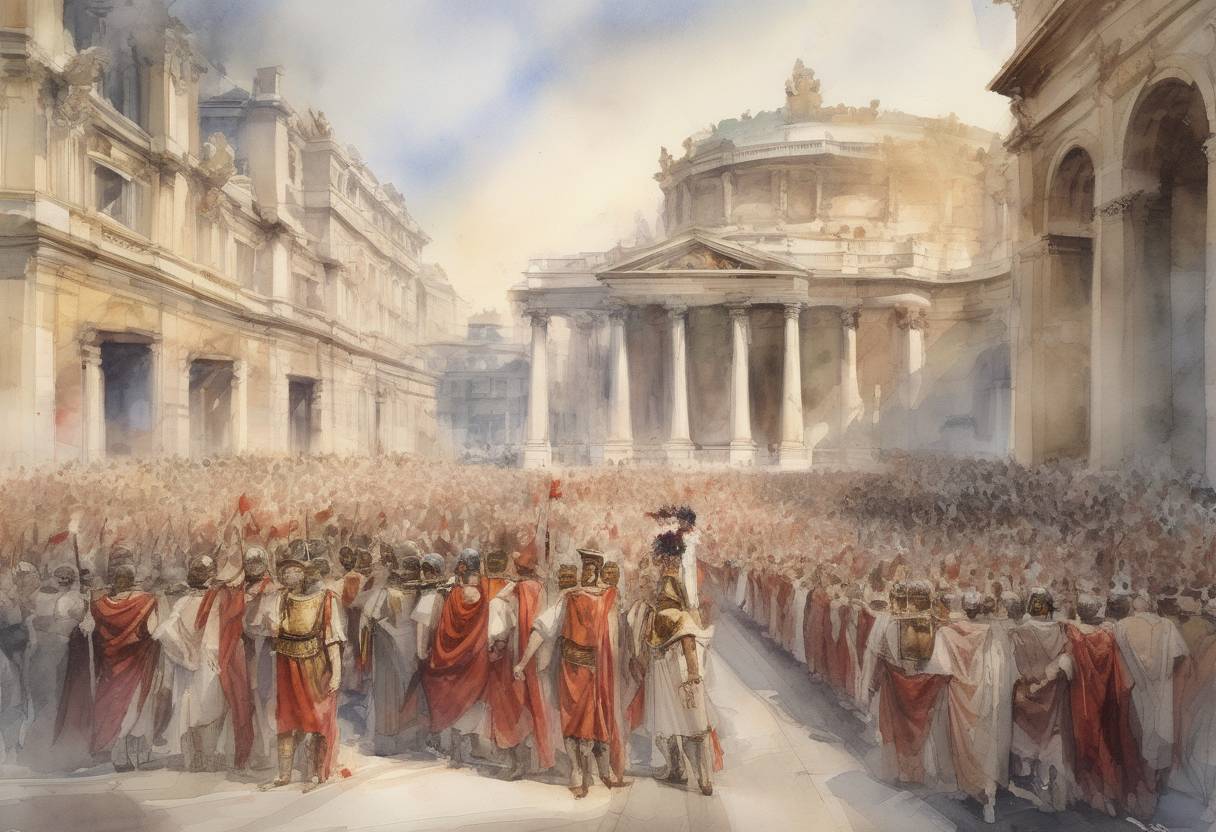
The Death of Marcus Aurelius and the End of the Pax Romana
On March 17, 180 CE, the Roman Emperor Marcus Aurelius passed away, marking a significant turning point in Roman history. His death is often considered the end of the Pax Romana, a period of relative peace and stability that lasted for over two centuries across the Roman Empire.
Background
- Marcus Aurelius: Born on April 26, 121 CE, Marcus Aurelius was a Stoic philosopher and the last of the “Five Good Emperors,” a term coined by historian Edward Gibbon to describe a series of rulers who presided over a prosperous and stable period in Roman history.
- Pax Romana: Initiated by Emperor Augustus in 27 BCE, the Pax Romana was characterized by internal peace, economic prosperity, and territorial expansion. It allowed for the flourishing of Roman culture, infrastructure, and governance.
Key Events Leading to His Death
- Military Campaigns: Marcus Aurelius spent much of his reign engaged in military campaigns, particularly against Germanic tribes along the Danube River. These conflicts were part of his efforts to secure the empire’s borders.
- Philosophical Contributions: Despite his military obligations, Marcus Aurelius is best remembered for his philosophical work, “Meditations,” which reflects his Stoic beliefs and personal reflections on duty and leadership.
The Death of Marcus Aurelius
- Location: Marcus Aurelius died in the city of Vindobona (modern-day Vienna) or possibly Sirmium (modern-day Sremska Mitrovica, Serbia) while on campaign.
- Succession: His death led to the ascension of his son, Commodus, who had been co-emperor since 177 CE. Unlike his father, Commodus was known for his erratic behavior and mismanagement.
Aftermath and Historical Significance
- End of the Pax Romana: The transition from Marcus Aurelius to Commodus is often seen as the end of the Pax Romana. Commodus’ reign marked the beginning of a period of instability and decline for the Roman Empire.
- Impact on the Empire: Commodus’ rule was characterized by political corruption, economic difficulties, and increasing military pressure from external threats. His assassination in 192 CE led to a year of civil war known as the Year of the Five Emperors.
Conclusion
The death of Marcus Aurelius on March 17, 180 CE, was a pivotal moment in Roman history. It marked the end of a golden era of peace and prosperity and set the stage for the challenges that would eventually contribute to the decline of the Roman Empire. His philosophical legacy, however, continues to influence thinkers and leaders to this day.