Assassination of Indira Gandhi - October 31, 1984
1984 · New Delhi, India
Indian Prime Minister Indira Gandhi is assassinated by her bodyguards in New Delhi.
May 21, 1991
Former Indian Prime Minister Rajiv Gandhi was assassinated by a suicide bomber in Tamil Nadu, India, during an election campaign.
Sriperumbudur, India | Liberation Tigers of Tamil Eelam
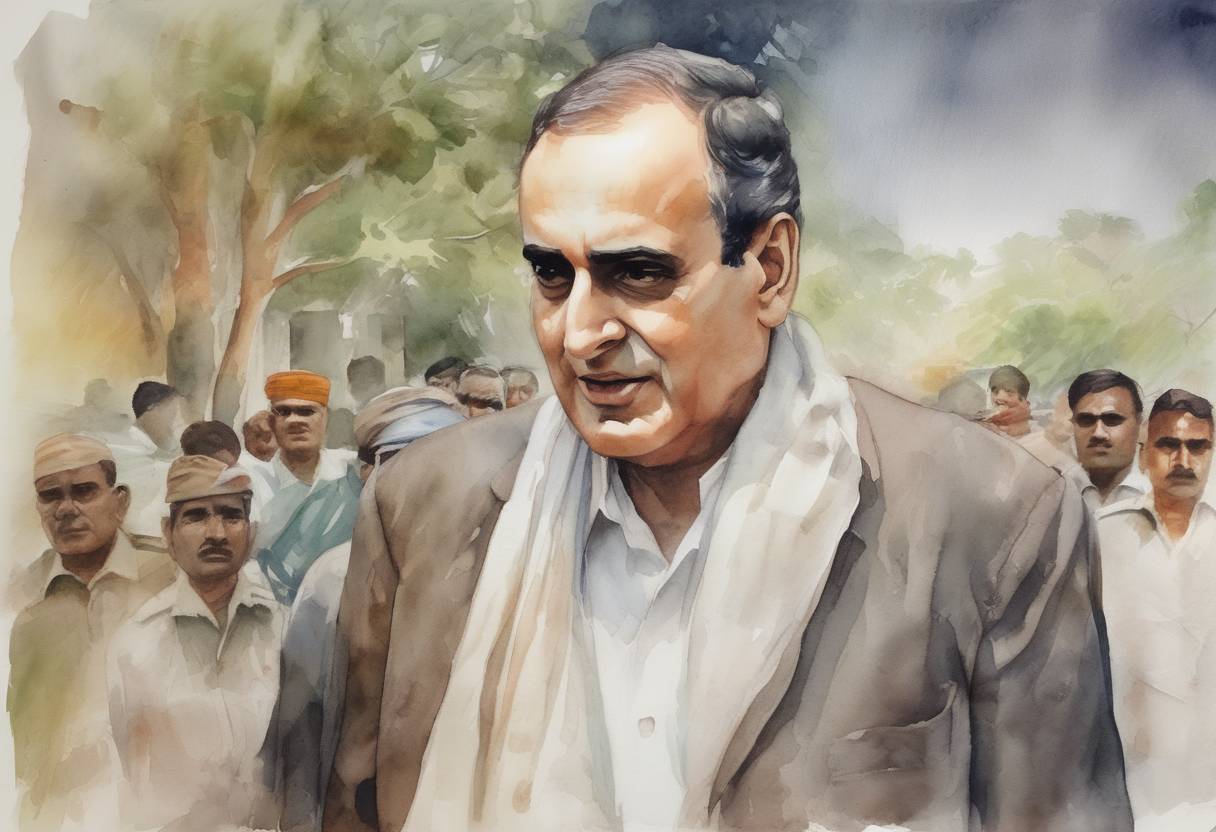
On May 21, 1991, former Indian Prime Minister Rajiv Gandhi was assassinated in a tragic and shocking event that took place in Sriperumbudur, Tamil Nadu, India. This assassination was a pivotal moment in Indian history, with significant political and social repercussions.
Rajiv Gandhi, the son of former Prime Minister Indira Gandhi, became the Prime Minister of India in 1984 following his mother’s assassination. He served until 1989 and was known for his efforts to modernize India’s economy and technology sectors. However, his tenure was also marked by controversies, including the Bofors scandal, which tarnished his image.
Date and Location: The assassination occurred on the night of May 21, 1991, during an election campaign rally in Sriperumbudur, a town near Chennai in Tamil Nadu.
Method: Rajiv Gandhi was killed by a suicide bomber. The assassin, a woman named Thenmozhi Rajaratnam, also known as Dhanu, approached him under the pretense of offering a garland. She detonated an explosive device strapped to her body, killing herself, Rajiv Gandhi, and 14 others.
Perpetrators: The assassination was carried out by the Liberation Tigers of Tamil Eelam (LTTE), a militant organization from Sri Lanka. The LTTE was fighting for an independent Tamil state in Sri Lanka and was opposed to India’s involvement in the Sri Lankan Civil War, particularly the Indian Peace Keeping Force’s (IPKF) operations in the late 1980s.
Immediate Impact: The assassination led to widespread shock and mourning across India. Rajiv Gandhi’s death marked the end of an era in Indian politics and had a profound impact on the Indian National Congress party.
Political Repercussions: The assassination influenced the 1991 general elections in India. The Congress party, led by P.V. Narasimha Rao, won the elections, partly due to a sympathy wave following Gandhi’s death.
Legal Proceedings: In the years following the assassination, several individuals were arrested and tried for their involvement. In 1998, 26 people were convicted, with some receiving death sentences. Over the years, legal proceedings continued, with some sentences being commuted.
Long-term Impact: The assassination highlighted the complexities of regional politics in South Asia and the challenges of dealing with militant organizations. It also led to increased security measures for political leaders in India.
Rajiv Gandhi’s assassination underscored the volatile nature of South Asian politics in the late 20th century. It brought attention to the ongoing conflict in Sri Lanka and the broader implications of India’s foreign policy decisions. The event remains a significant chapter in the history of modern India, reflecting the interplay between domestic politics and regional conflicts.
Source: en.wikipedia.org