1565 · St. Augustine, United States
The Spanish establish the first permanent European settlement in the continental United States at St. Augustine, Florida.
April 27, 1565
Cebu was established as the first Spanish settlement in the Philippines by Miguel López de Legazpi.
Cebu, Philippines | Spanish Empire
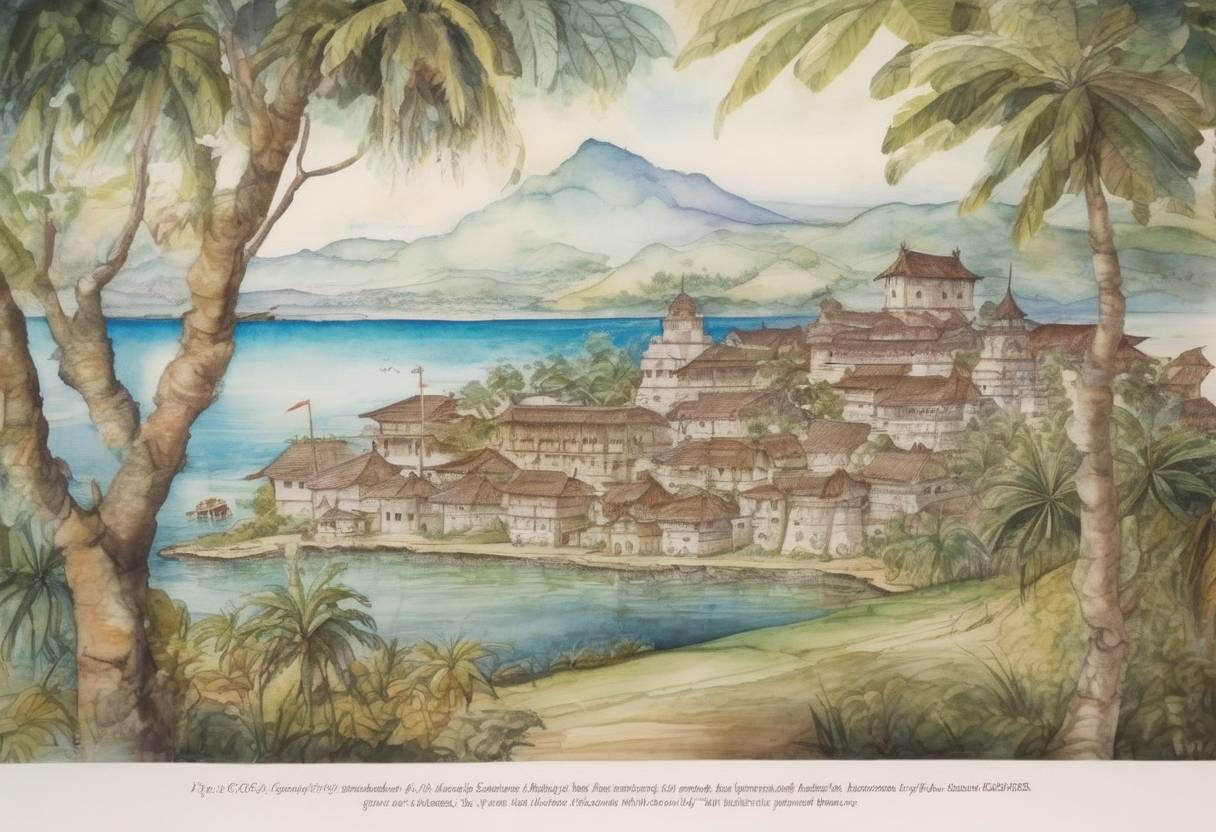
On April 27, 1565, Cebu was established as the first Spanish settlement in the Philippines by Miguel López de Legazpi. This event marked a significant turning point in the history of the Philippines, as it laid the foundation for over three centuries of Spanish colonial rule.
The Spanish interest in the Philippines was initially sparked by Ferdinand Magellan’s expedition in 1521, which resulted in the first European contact with the archipelago. Although Magellan was killed in the Battle of Mactan, his voyage demonstrated the potential for Spanish expansion in the region. However, it wasn’t until several decades later that Spain made a concerted effort to colonize the islands.
Miguel López de Legazpi, a Spanish navigator and governor, was tasked with leading an expedition to establish a permanent Spanish presence in the Philippines. Departing from New Spain (modern-day Mexico) in 1564, Legazpi’s fleet arrived in the Philippines in early 1565. After initial encounters with local rulers and navigating complex political landscapes, Legazpi chose Cebu as the site for the first settlement.
On April 27, 1565, Legazpi formally established the settlement of Cebu, naming it “Villa del Santísimo Nombre de Jesús” (Town of the Most Holy Name of Jesus). This name was inspired by the image of the Santo Niño, a religious icon given to the local ruler by Magellan’s expedition, which was rediscovered by Legazpi’s men.
The establishment of Cebu as a Spanish settlement involved the construction of fortifications and the establishment of a colonial administration. The settlement served as a strategic base for further Spanish expeditions and conquests throughout the archipelago.
Colonial Expansion: The establishment of Cebu paved the way for the Spanish colonization of the Philippines. It became a launching point for further expeditions, including the conquest of Manila in 1571, which later became the capital of the Spanish East Indies.
Cultural and Religious Influence: The Spanish brought with them Catholicism, which became deeply ingrained in Filipino culture and society. The rediscovery of the Santo Niño icon in Cebu is celebrated annually in the Sinulog Festival, reflecting the lasting religious impact of Spanish colonization.
Economic Impact: Cebu became an important hub for trade and commerce in the region, facilitating exchanges between Asia, the Americas, and Europe.
The establishment of Cebu as the first Spanish settlement marked the beginning of a new era in Philippine history, characterized by profound cultural, social, and political changes under Spanish rule.
Source: en.wikipedia.org