The Charlie Hebdo Shooting and Its Aftermath
2015 · Dammartin-en-Goële, France
The Charlie Hebdo shooting in Paris, France, concluded with the death of the two gunmen, who had attacked the satirical magazine's office two days earlier.
January 10, 2015
The Charlie Hebdo shooting suspects are killed by police in Dammartin-en-Goële, France, ending a three-day manhunt following the attack on the satirical magazine's office.
Dammartin-en-Goële, France | French Police
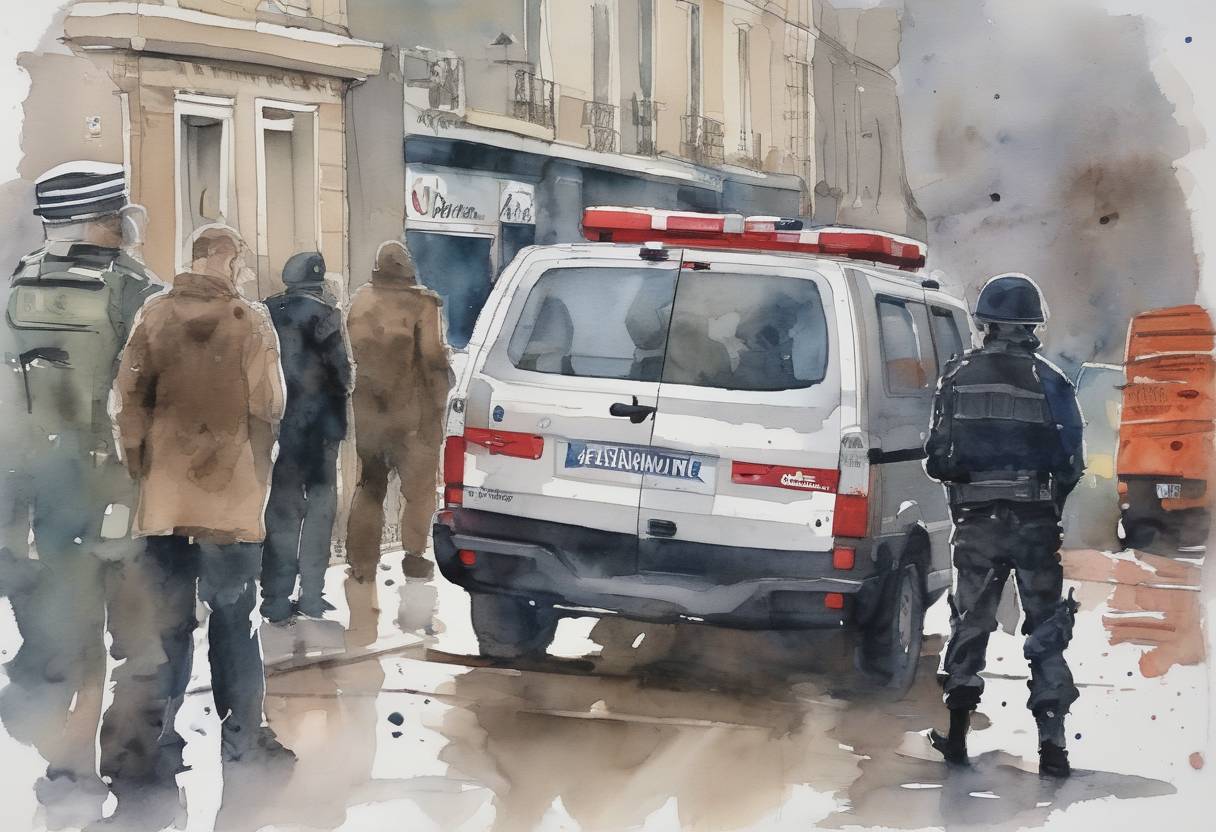
On January 10, 2015, a significant chapter in a tragic series of events concluded with the deaths of the Charlie Hebdo shooting suspects in Dammartin-en-Goële, France. This marked the end of a tense three-day manhunt following the deadly attack on the offices of the satirical magazine Charlie Hebdo in Paris.
On January 7, 2015, two brothers, Saïd and Chérif Kouachi, stormed the offices of Charlie Hebdo, a publication known for its controversial and provocative cartoons, including those depicting the Prophet Muhammad. Armed with assault rifles and other weapons, the attackers killed 12 people, including prominent cartoonists and editors, and injured 11 others. The attack was a direct assault on freedom of expression and sent shockwaves across France and the world.
Following the attack, French authorities launched an extensive manhunt for the Kouachi brothers. The search involved thousands of police officers and military personnel, as well as helicopters and armored vehicles. The manhunt was one of the largest in French history, reflecting the gravity of the attack and the urgency to apprehend the suspects.
On January 9, 2015, the Kouachi brothers were located in the small town of Dammartin-en-Goële, northeast of Paris. They had taken refuge in a printing business, Création Tendance Découverte, where they held one employee hostage. The situation escalated into a tense standoff with police forces surrounding the building.
Simultaneously, a related hostage crisis unfolded in Paris, where Amedy Coulibaly, an associate of the Kouachi brothers, took hostages at a kosher supermarket. Coulibaly had already killed a policewoman the day before and was demanding the release of the Kouachi brothers.
On January 10, 2015, French special forces launched simultaneous assaults on both locations. In Dammartin-en-Goële, the Kouachi brothers emerged from the building, firing at police. They were killed in the ensuing gunfight. The hostage was rescued unharmed.
In Paris, Coulibaly was also killed during the police assault, but not before he had tragically killed four hostages.
The events of January 7-10, 2015, had profound implications:
National and International Reactions: The attacks prompted widespread condemnation and led to massive rallies in France and around the world in support of free speech and against terrorism. The phrase “Je suis Charlie” became a global symbol of solidarity.
Security and Policy Changes: France and other countries reviewed and strengthened their counter-terrorism measures. The attacks highlighted the challenges of homegrown extremism and the need for international cooperation in combating terrorism.
Cultural Impact: The attack on Charlie Hebdo raised important discussions about the limits of free speech, the role of satire, and the balance between respecting religious beliefs and upholding freedom of expression.
The tragic events of those days remain a poignant reminder of the ongoing struggle against extremism and the enduring value of freedom of expression in democratic societies.
Source: www.bbc.com