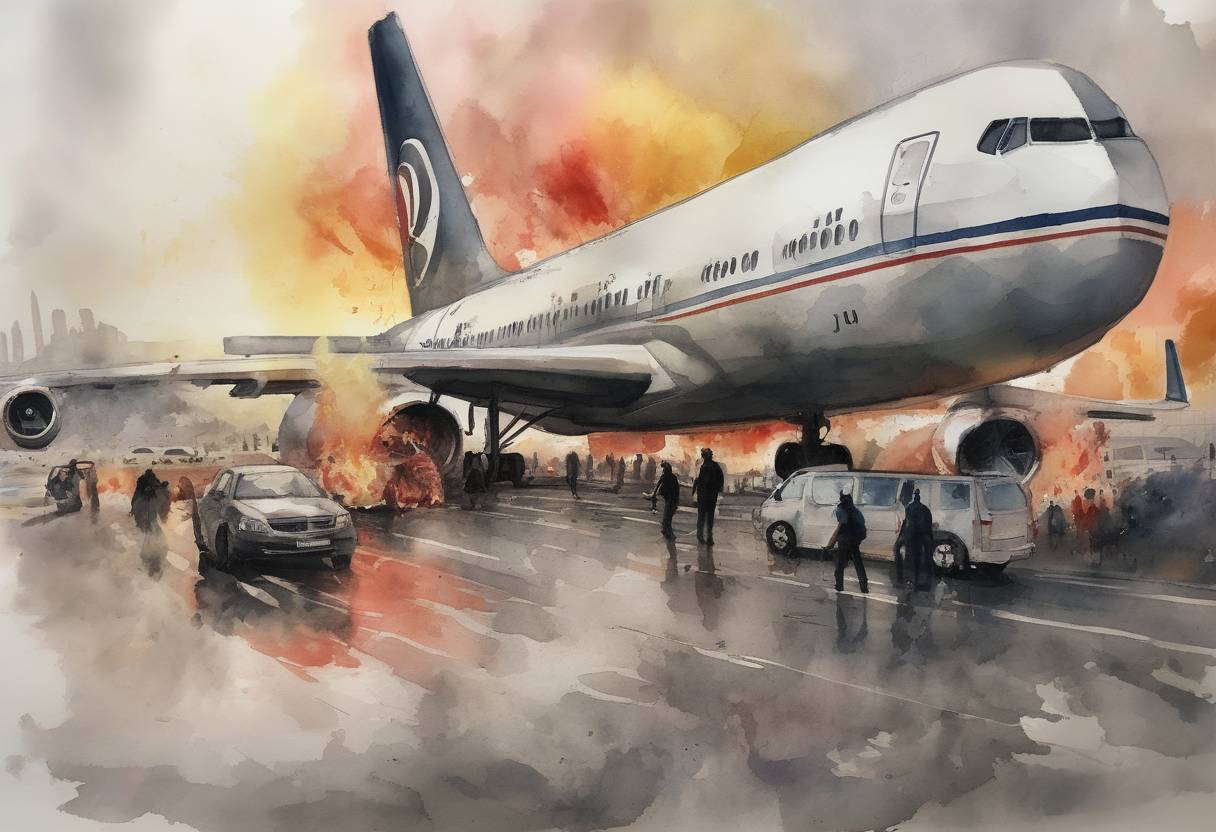
Istanbul Atatürk Airport Attack - June 28, 2016
On June 28, 2016, a devastating terrorist attack took place at Istanbul Atatürk Airport, one of the busiest airports in the world. This tragic event resulted in the deaths of 45 individuals and left over 230 others injured. The attack was attributed to the Islamic State of Iraq and the Levant (ISIL), marking it as one of the deadliest incidents in Turkey’s recent history.
Context and Background
At the time of the attack, Turkey was grappling with a series of security challenges, including ongoing conflicts with Kurdish militants and the spillover effects of the Syrian Civil War. The country had experienced several terrorist attacks in the months leading up to the airport bombing, heightening tensions and concerns over national security.
The Attack
The attack unfolded in the evening hours, targeting the international terminal of the airport. It involved three assailants who arrived at the airport by taxi. Armed with automatic weapons and explosive belts, they initiated their assault by opening fire on passengers and airport staff. The attackers then detonated their explosives, causing massive destruction and chaos.
- First Assailant: Opened fire at the entrance of the terminal, causing panic and confusion among travelers.
- Second Assailant: Entered the terminal and continued the assault, further exacerbating the situation.
- Third Assailant: Detonated explosives in the parking area, adding to the carnage.
The Turkish authorities responded swiftly to the attack. Emergency services were dispatched to the scene, and the airport was temporarily closed to contain the situation and ensure the safety of passengers and staff. Security forces engaged the attackers, preventing further casualties.
Aftermath and Consequences
- Casualties: The attack claimed the lives of 45 people, including both Turkish citizens and foreign nationals. Over 230 individuals sustained injuries, some of which were critical.
- Security Measures: In the wake of the attack, Turkey intensified its security measures across the country, particularly at airports and other critical infrastructure.
- International Condemnation: The attack drew widespread condemnation from the international community. Countries around the world expressed solidarity with Turkey and condemned the actions of ISIL.
- Impact on Tourism: The attack had a significant impact on Turkey’s tourism industry, as concerns over safety led to a decline in international visitors.
Broader Historical Significance
The Istanbul Atatürk Airport attack highlighted the global threat posed by ISIL and underscored the vulnerabilities of international transportation hubs to terrorist activities. It also emphasized the need for enhanced international cooperation in combating terrorism and improving security protocols.
In conclusion, the attack on June 28, 2016, remains a somber reminder of the persistent threat of terrorism and the importance of vigilance and resilience in the face of such challenges.