Ronald Reagan's Passing on June 5, 2004
2004 · Los Angeles, United States
Former U.S. President Ronald Reagan passed away at the age of 93 after a long battle with Alzheimer's disease.
June 25, 2009
Michael Jackson, the 'King of Pop', died of acute propofol and benzodiazepine intoxication at his home in Los Angeles, leading to widespread mourning and a global outpouring of grief.
Los Angeles, United States | N/A
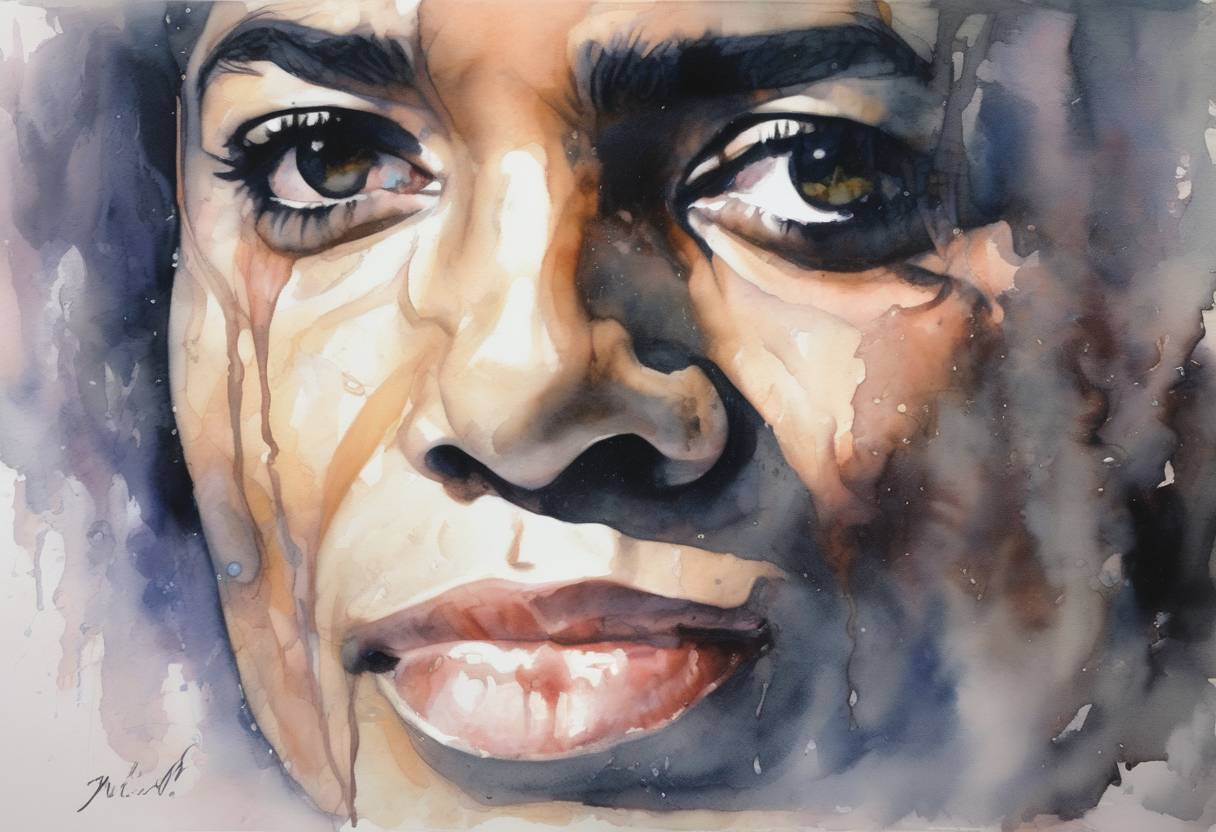
On June 25, 2009, the world was stunned by the sudden death of Michael Jackson, the iconic “King of Pop.” Jackson passed away at his home in Los Angeles, California, at the age of 50. His death was attributed to acute propofol and benzodiazepine intoxication, which led to cardiac arrest.
Michael Jackson was a global music phenomenon, known for his groundbreaking contributions to pop music, dance, and fashion. His career spanned over four decades, during which he released numerous chart-topping albums, including Thriller, Bad, and Dangerous. Jackson’s influence extended beyond music, as he became a cultural icon and a symbol of innovation in the entertainment industry.
In the months leading up to his death, Jackson was preparing for a series of comeback concerts titled “This Is It,” scheduled to take place at the O2 Arena in London. These concerts were highly anticipated, marking his return to the stage after several years. However, Jackson was reportedly under significant stress and pressure to perform, which may have contributed to his reliance on medications.
On the morning of June 25, 2009, Jackson was found unresponsive in his home. His personal physician, Dr. Conrad Murray, attempted to revive him but was unsuccessful. Jackson was pronounced dead at the Ronald Reagan UCLA Medical Center later that day. The Los Angeles County Coroner’s office ruled his death a homicide, citing acute propofol and benzodiazepine intoxication as the cause.
The news of Jackson’s death triggered an unprecedented global outpouring of grief. Fans, celebrities, and world leaders expressed their condolences and paid tribute to his legacy. Vigils and memorials were held worldwide, and his music saw a resurgence in popularity as people celebrated his life and career.
The aftermath of Jackson’s death was marked by extensive media coverage and legal proceedings. Dr. Conrad Murray was charged with involuntary manslaughter and, in 2011, was found guilty and sentenced to four years in prison.
Jackson’s death also sparked discussions about the pressures of fame and the dangers of prescription drug abuse. His influence on music and culture remains profound, and his legacy continues to inspire new generations of artists.
Michael Jackson’s impact on the music industry is immeasurable. He is remembered not only for his extraordinary talent and creativity but also for his humanitarian efforts and contributions to various charitable causes. Despite the controversies that surrounded his life, Jackson’s artistic achievements and his role as a cultural icon endure, solidifying his status as the “King of Pop.”
Source: en.wikipedia.org