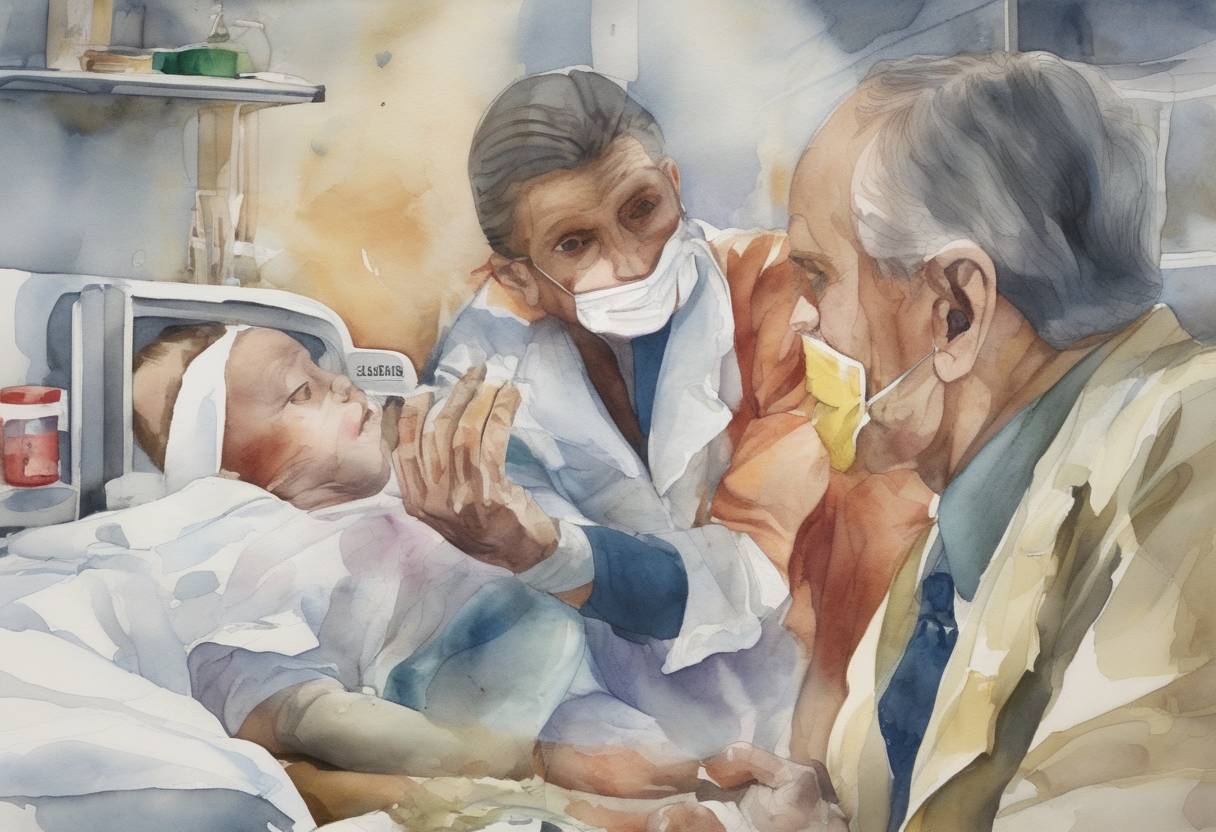
SARS Global Alert by WHO - March 12, 2003
On March 12, 2003, the World Health Organization (WHO) issued a global alert regarding a new infectious disease that would soon be identified as Severe Acute Respiratory Syndrome (SARS). This marked the beginning of a significant international health crisis that would test global public health systems and international cooperation.
Context and Background
- Initial Outbreak: The first known cases of SARS were reported in Guangdong Province, China, in November 2002. The disease initially spread unnoticed due to its resemblance to common respiratory illnesses.
- Early Spread: By early 2003, SARS had begun to spread to neighboring regions, including Hong Kong and Vietnam, primarily through international travel.
Key Events Leading to the Alert
- Rapid Transmission: The disease was characterized by its high transmission rate and severe respiratory symptoms. It spread quickly among healthcare workers and patients in hospitals, raising alarms about its potential to become a global pandemic.
- International Cases: By March 2003, cases had been reported in several countries outside of China, including Canada, Singapore, and the United States, prompting the need for a coordinated international response.
WHO’s Global Alert
- Purpose of the Alert: The WHO’s alert aimed to inform and prepare countries worldwide to detect and manage cases of SARS. It emphasized the need for heightened surveillance, infection control measures, and international collaboration.
- Response Measures: The alert included guidelines for identifying and isolating suspected cases, as well as recommendations for travel advisories and public health interventions.
Impact and Aftermath
- Global Response: The alert led to a swift global response, with countries implementing screening measures at airports, hospitals enhancing infection control protocols, and researchers racing to understand the virus.
- Containment Efforts: Through aggressive public health measures, including quarantine and isolation, the spread of SARS was eventually contained by mid-2003.
- Legacy: The SARS outbreak highlighted the importance of global health surveillance and cooperation. It also led to significant improvements in international health regulations and preparedness for future pandemics.
Broader Historical Significance
- Public Health Awareness: SARS underscored the vulnerabilities of global health systems to emerging infectious diseases and the necessity for rapid information sharing and response.
- Precedent for Future Crises: The lessons learned from the SARS outbreak informed responses to later health crises, including the H1N1 influenza pandemic in 2009 and the COVID-19 pandemic in 2019-2020.
The WHO’s alert on March 12, 2003, was a pivotal moment in the history of global health, demonstrating the critical role of international organizations in managing and mitigating the impact of infectious diseases.