Barack Obama Announces Support for Same-Sex Marriage
2012 · Washington, D.C., United States
The United States President Barack Obama publicly announced his support for same-sex marriage, becoming the first sitting U.S. president to do so.
September 19, 2011
The United States ends its 'Don't Ask, Don't Tell' policy, allowing gay men and women to serve openly in the military.
Washington D.C., United States | U.S. Government
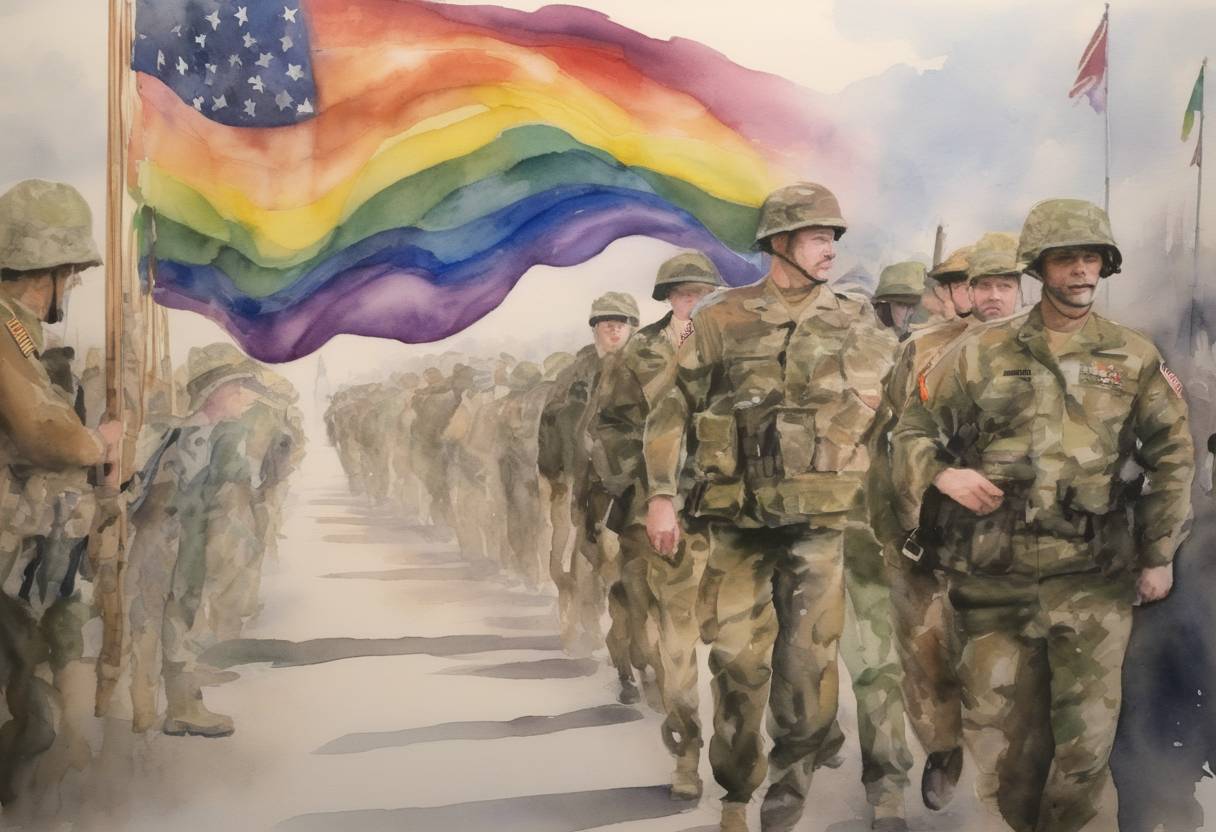
On September 19, 2011, the United States formally ended its ‘Don’t Ask, Don’t Tell’ (DADT) policy, allowing gay men and women to serve openly in the military. This marked a significant shift in the policies governing the U.S. Armed Forces and a notable milestone in the history of LGBTQ+ rights in the country.
Inception of DADT: The ‘Don’t Ask, Don’t Tell’ policy was enacted on December 21, 1993, during the presidency of Bill Clinton. It was a compromise policy that allowed gays and lesbians to serve in the military as long as they did not disclose their sexual orientation. Prior to this, homosexuals were outright banned from the military.
Restrictions: Under DADT, military personnel were prohibited from discriminating against or harassing closeted homosexual or bisexual service members or applicants. However, the policy barred openly gay, lesbian, or bisexual individuals from military service.
The Movement for Repeal: Advocates for LGBTQ+ rights and some military officials argued that the DADT policy was discriminatory and hindered military readiness. Over the years, various efforts were made to repeal the policy.
Obama Administration: The repeal was one of the campaign promises of President Barack Obama. In December 2010, Congress passed the Don’t Ask, Don’t Tell Repeal Act, which President Obama signed into law on December 22, 2010.
Review and Certification: The repeal required a comprehensive review along with certification from the President, Secretary of Defense, and Chairman of the Joint Chiefs of Staff to confirm that ending DADT would not harm military effectiveness.
Formal Repeal: The repeal of DADT took effect 60 days after the final certification, culminating in its formal end on September 19, 2011.
Impact on Service Members: The end of DADT meant that service members were no longer required to conceal their sexual orientation, enabling them to serve openly and honestly.
Broader Implications: The repeal was regarded as a crucial victory for the LGBTQ+ rights movement, reflecting broader social and cultural shifts towards acceptance and equality.
Military Cohesion and Effectiveness: Subsequent assessments indicated that the integration of openly gay service members did not negatively impact military cohesion or effectiveness, alleviating concerns that had been raised prior to the repeal.
The end of ‘Don’t Ask, Don’t Tell’ represents an important historical event in both military and civil rights history, symbolizing progress toward greater inclusivity and equality within the armed forces.
Source: www.cnn.com