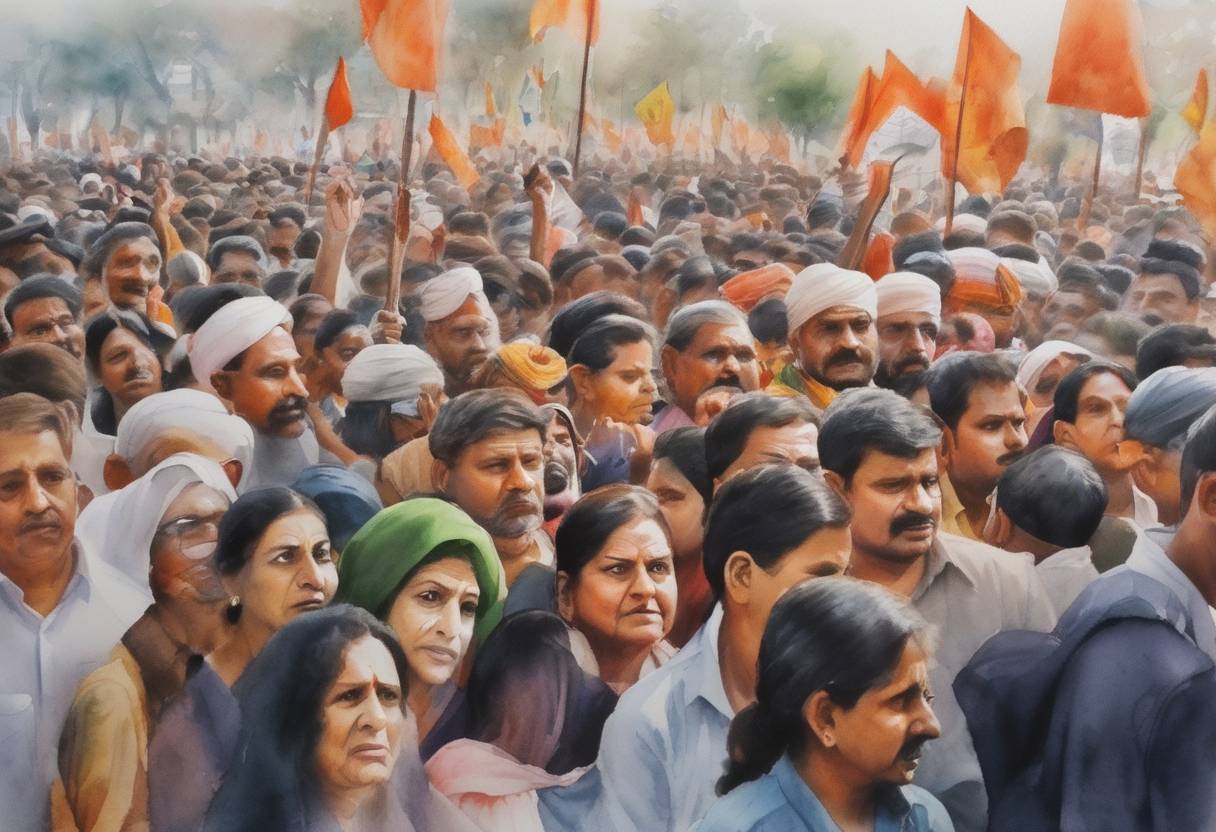
Protests Against the Citizenship Amendment Act in India: December 24, 2019
On December 24, 2019, widespread protests continued across India against the Citizenship Amendment Act (CAA), which had been passed by the Indian Parliament earlier that month. The CAA, a controversial piece of legislation, aimed to provide a pathway to Indian citizenship for non-Muslim immigrants from Afghanistan, Bangladesh, and Pakistan who had arrived in India before December 31, 2014. Critics argued that the Act discriminated against Muslims and violated the secular tenets of the Indian Constitution.
Context and Passing of the CAA
The CAA was introduced by the Bharatiya Janata Party (BJP)-led government, claiming to offer protection to persecuted religious minorities from neighboring countries. However, it was perceived as discriminatory due to the exclusion of Muslim refugees. The Act’s passage on December 11, 2019, was met with immediate backlash, leading to nationwide protests.
Protests on December 24, 2019
On December 24, 2019, thousands of people across India participated in demonstrations, expressing their dissent against the CAA. The protests were marked by large gatherings in multiple states, including West Bengal, Maharashtra, Kerala, and Uttar Pradesh. Demonstrators included students, political activists, and members of civil society, many of whom feared the Act’s potential impact on India’s secular identity.
In New Delhi, significant protests were organized, attracting diverse participants voicing their concerns. The day saw peaceful demonstrations, though some areas reported clashes between protestors and police forces.
Broader Implications and Aftermath
The protests on December 24 were part of a larger wave of dissent that had been sweeping the country since the Act’s passage. These movements tapped into broader concerns about citizenship, identity, and the protection of minority rights in India. The protests prompted debates on the secular nature of the Indian state and initiated discussions on the NRC (National Register of Citizens), further intensifying the discourse on citizenship and exclusion.
The national and international attention to these protests highlighted the larger democratic challenges facing India. Government responses, which occasionally included internet shutdowns and the use of force, were criticized for suppressing free expression. As protests continued, legal challenges to the CAA were filed in the Indian Supreme Court, seeking to reassess and potentially overturn the legislation.
Conclusion
The protest movement against the CAA on December 24, 2019, underscores a pivotal moment in contemporary Indian history. It called attention to vital questions about the nation’s democratic values and the principles enshrined in its Constitution, marking a significant chapter in India’s ongoing struggle to balance diversity and unity.