Alfred Dreyfus Exoneration - July 12, 1906
1906 · Paris, France
Alfred Dreyfus, a French Jewish army officer, was finally exonerated after a prolonged legal battle marked by anti-Semitic undertones in the infamous Dreyfus Affair.
February 23, 1898
Émile Zola is imprisoned in France after writing "J'accuse," a letter accusing the government of anti-Semitism and wrongfully imprisoning Alfred Dreyfus.
Paris, France | French Government
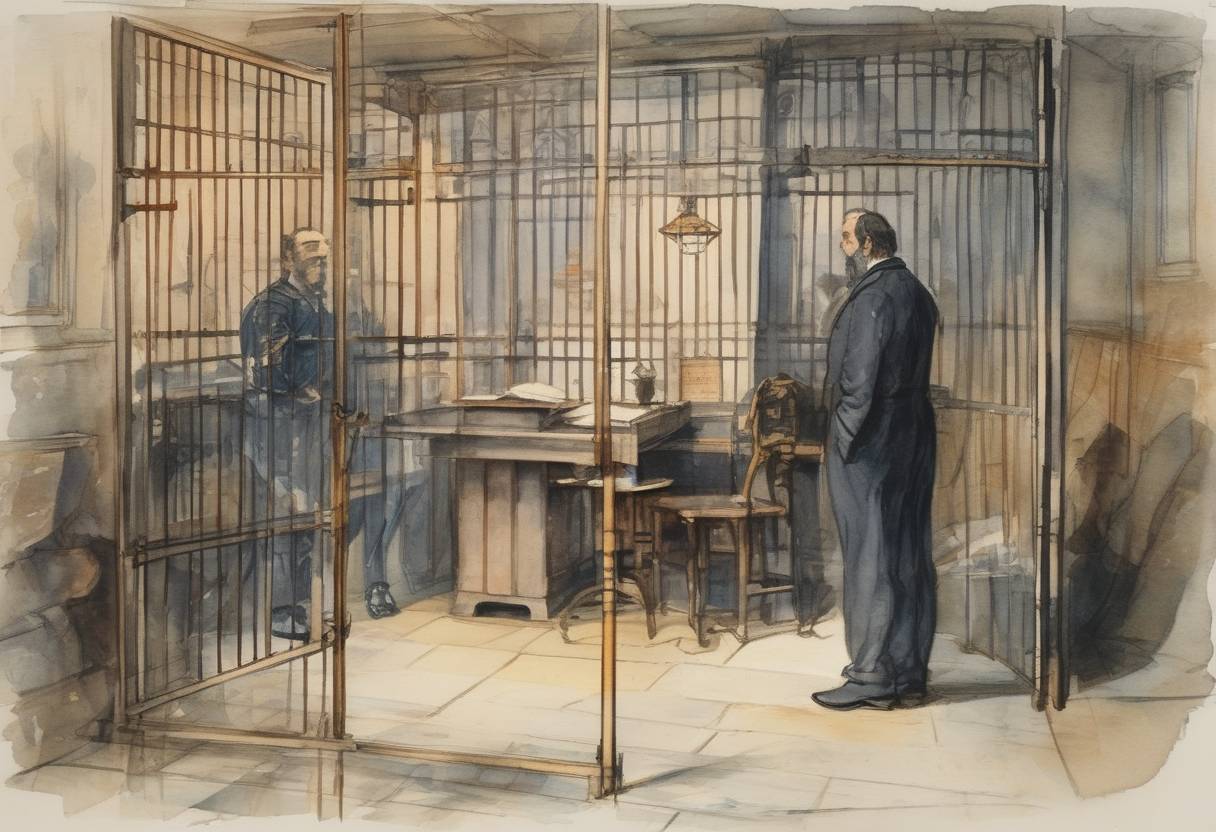
On February 23, 1898, the renowned French novelist Émile Zola was imprisoned for his bold public defense of Alfred Dreyfus, a Jewish French army officer wrongfully convicted of treason. This event was a pivotal moment in the infamous Dreyfus Affair, which deeply divided French society at the turn of the 20th century.
The Dreyfus Affair: In 1894, Captain Alfred Dreyfus was convicted of passing military secrets to the German Embassy in Paris. The trial was marred by a lack of concrete evidence and was heavily influenced by anti-Semitic sentiments prevalent in France at the time.
Public Outcry and Division: The case polarized the nation, with “Dreyfusards” advocating for his innocence and “anti-Dreyfusards” supporting the conviction. The affair highlighted issues of anti-Semitism, military secrecy, and miscarriages of justice.
Publication of “J’accuse”: On January 13, 1898, Émile Zola published an open letter titled “J’accuse” in the newspaper L’Aurore. Addressed to the President of France, Félix Faure, the letter accused the French government and military of anti-Semitism and the wrongful conviction of Dreyfus.
Content of the Letter: Zola meticulously outlined the injustices and errors in the trial, naming high-ranking military officials and accusing them of a cover-up. His letter was a scathing critique of the establishment and a call for justice.
Libel Charges: Zola’s letter caused a sensation and led to his prosecution for libel. The trial was highly publicized, and Zola was found guilty, resulting in a sentence of one year in prison and a fine.
Zola’s Exile: To avoid imprisonment, Zola fled to England, where he continued to advocate for Dreyfus’s cause. He returned to France in 1899 after the political climate shifted.
Dreyfus’s Exoneration: The Dreyfus Affair continued to unfold, with Dreyfus eventually being exonerated in 1906. The case had profound effects on French society, highlighting the dangers of unchecked nationalism and prejudice.
Zola’s Legacy: Émile Zola’s courageous stand is remembered as a landmark moment in the fight for justice and truth. His actions underscored the power of the press and intellectuals in challenging societal injustices.
Zola’s imprisonment and the Dreyfus Affair remain significant in understanding the complexities of justice, nationalism, and anti-Semitism in modern history.
Source: en.wikipedia.org