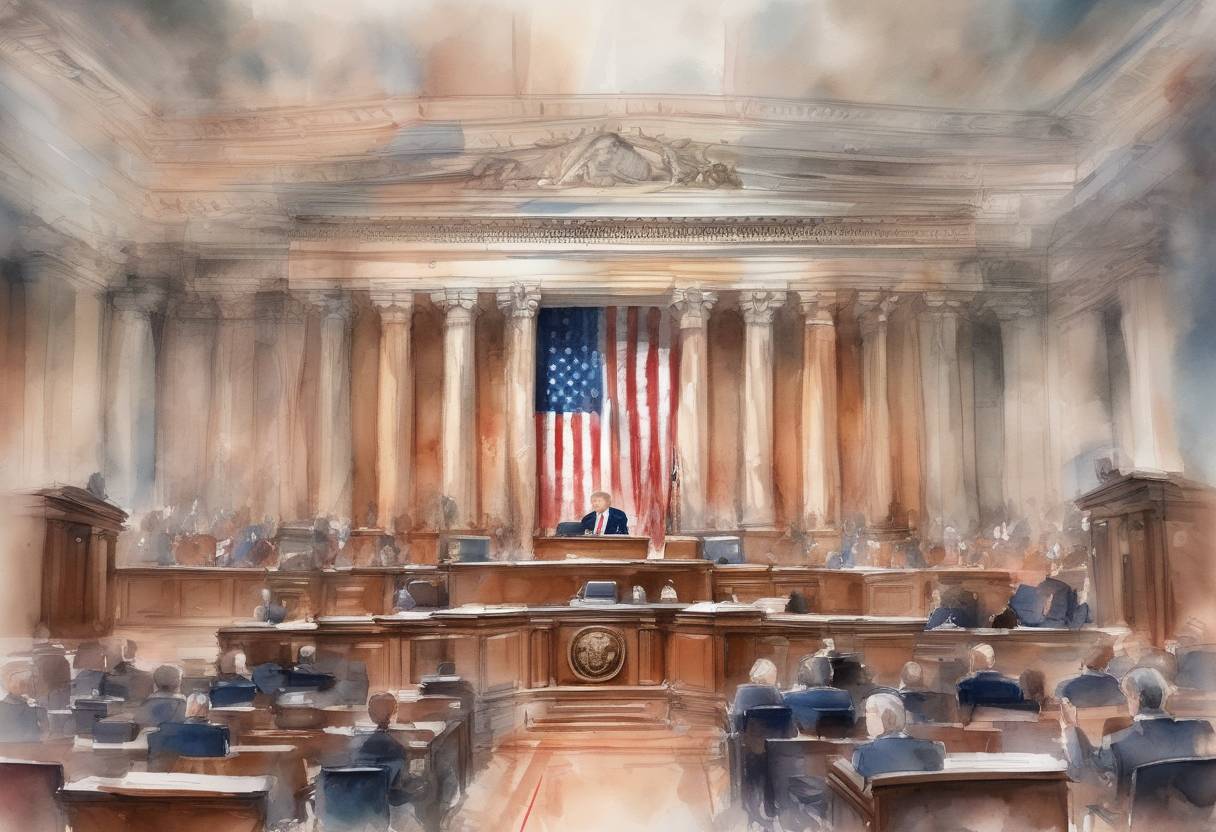
Acquittal of President Donald Trump: February 6, 2020
On February 6, 2020, the United States Senate concluded the impeachment trial of President Donald Trump by acquitting him on two charges: abuse of power and obstruction of Congress. This marked the end of the third presidential impeachment trial in U.S. history.
Background
The impeachment proceedings against President Trump were initiated by the House of Representatives, led by Speaker Nancy Pelosi. The charges stemmed from a whistleblower complaint regarding a phone call on July 25, 2019, between President Trump and Ukrainian President Volodymyr Zelensky. It was alleged that President Trump solicited interference in the 2020 U.S. presidential election by urging Ukraine to investigate Joe Biden, a political rival, and his son, Hunter Biden.
Articles of Impeachment
Abuse of Power: This charge accused President Trump of using his office to solicit foreign interference in the 2020 election for his personal political benefit, thereby compromising national security and the integrity of the electoral process.
Obstruction of Congress: This charge was based on President Trump’s alleged obstruction of the House’s impeachment inquiry by directing the White House and other executive branch agencies to defy subpoenas for documents and testimony.
The Senate Trial
The Senate trial began on January 16, 2020, following the House’s formal transmission of the articles of impeachment. The trial was presided over by Chief Justice John Roberts, as mandated by the U.S. Constitution.
Arguments: The House impeachment managers, led by Representative Adam Schiff, presented the case for conviction, arguing that President Trump’s actions warranted removal from office. The President’s defense team, including White House Counsel Pat Cipollone and attorney Jay Sekulow, argued that the charges did not meet the constitutional standard for impeachment and removal.
Witnesses and Evidence: A significant point of contention during the trial was whether to allow additional witnesses and documents. Ultimately, the Senate voted against calling new witnesses, with a 51-49 vote.
The Vote
The final vote on February 5, 2020, resulted in President Trump’s acquittal:
Abuse of Power: 52 senators voted “not guilty,” and 48 senators voted “guilty.” Notably, Senator Mitt Romney of Utah was the only Republican to vote for conviction on this charge, citing his oath to do impartial justice.
Obstruction of Congress: 53 senators voted “not guilty,” and 47 senators voted “guilty,” with all Republicans, except Romney, voting for acquittal.
Aftermath and Significance
The acquittal allowed President Trump to remain in office and continue his re-election campaign for the 2020 presidential election. The trial highlighted deep partisan divisions within Congress and the country at large. It also raised questions about the balance of power between the legislative and executive branches and the standards for impeachment.
The acquittal of President Trump was a significant moment in U.S. political history, reflecting the complexities and challenges of the impeachment process as outlined in the Constitution.