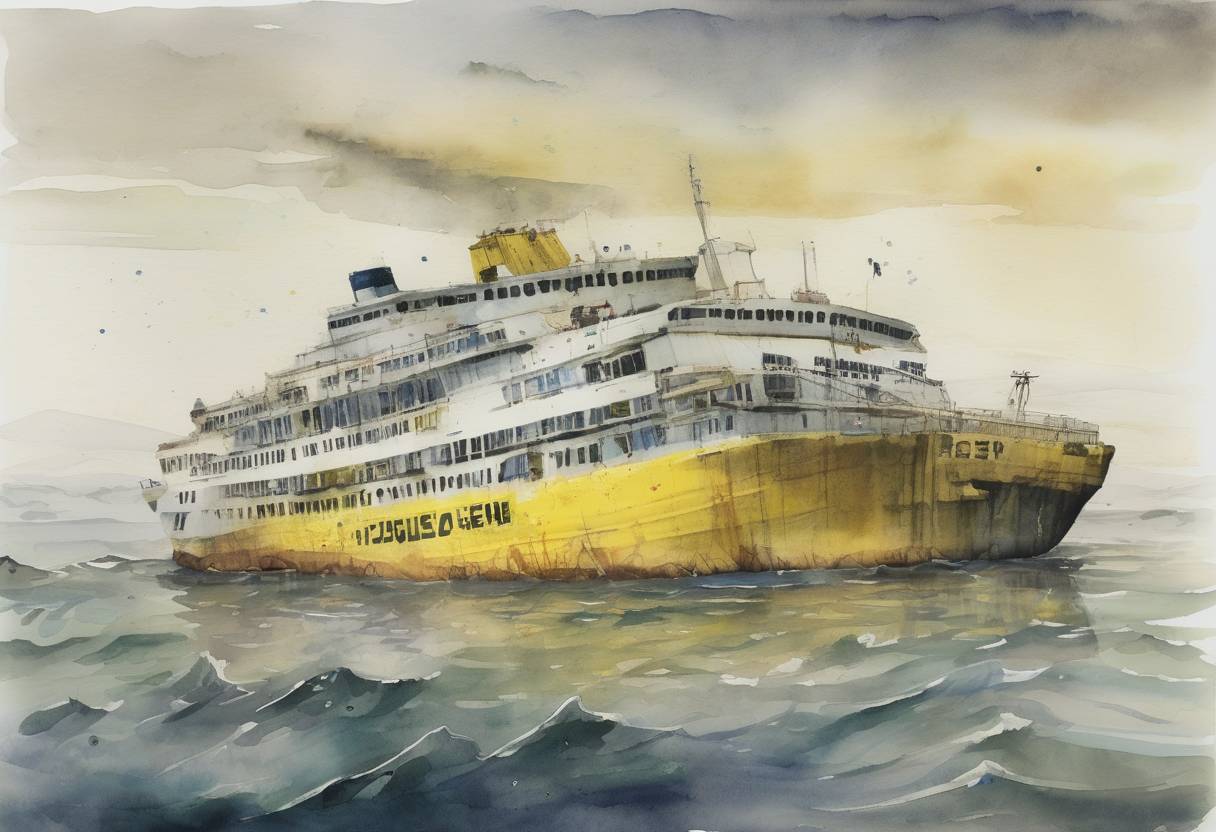
The Sinking of MV Sewol
Overview
On April 16, 2014, the South Korean ferry MV Sewol sank off the coast of Jindo, resulting in the tragic deaths of 304 passengers. The majority of the victims were high school students from Danwon High School in Ansan, who were on a field trip to Jeju Island. This disaster is one of the deadliest maritime accidents in South Korean history and had profound implications for the nation.
Background
- The Ferry: MV Sewol was a passenger ferry operated by Chonghaejin Marine Company. It was originally built in Japan in 1994 and later modified in South Korea to increase its passenger capacity.
- The Voyage: On April 15, 2014, the ferry departed from Incheon, bound for Jeju Island, carrying 476 people, including 325 students.
The Sinking
- Date: April 16, 2014
- Location: The ferry capsized near Jindo, in the Yellow Sea.
- Cause: Investigations revealed that the ferry was overloaded and improperly secured, leading to instability. Additionally, the crew’s failure to follow safety protocols and delayed evacuation orders contributed to the high death toll.
Key Events
- Initial Distress: At around 8:50 AM, the ferry began to list. A distress call was made shortly after.
- Evacuation Orders: The crew instructed passengers to remain in their cabins, which tragically delayed evacuation efforts.
- Rescue Efforts: The South Korean Coast Guard and civilian vessels responded, but the rescue was hampered by strong currents and poor visibility.
Aftermath
- Casualties: Of the 476 passengers, 304 died, including 250 students.
- Public Outcry: The disaster led to widespread public outrage over the government’s handling of the rescue operation and the lax regulatory oversight of ferry operations.
- Legal Consequences: The captain and several crew members were arrested and charged with negligence and abandonment. The captain received a life sentence, while other crew members received varying prison terms.
- Political Impact: The incident severely impacted the administration of then-President Park Geun-hye, leading to calls for accountability and reforms in safety regulations.
Broader Significance
The sinking of the MV Sewol highlighted critical issues in maritime safety, regulatory oversight, and crisis management in South Korea. It prompted a national dialogue on safety standards and the responsibilities of authorities in protecting citizens. The tragedy remains a poignant reminder of the importance of stringent safety measures and the need for effective emergency response protocols.