The Revised Brexit Deal of October 15, 2019
2019 · Brussels, Belgium
The United Kingdom and the European Union reached a revised Brexit deal, which was later rejected by the UK Parliament.
December 20, 2020
The United Kingdom and the European Union continued negotiations to finalize a post-Brexit trade deal, with the deadline for an agreement approaching at the end of the year.
Brussels, Belgium | European Union
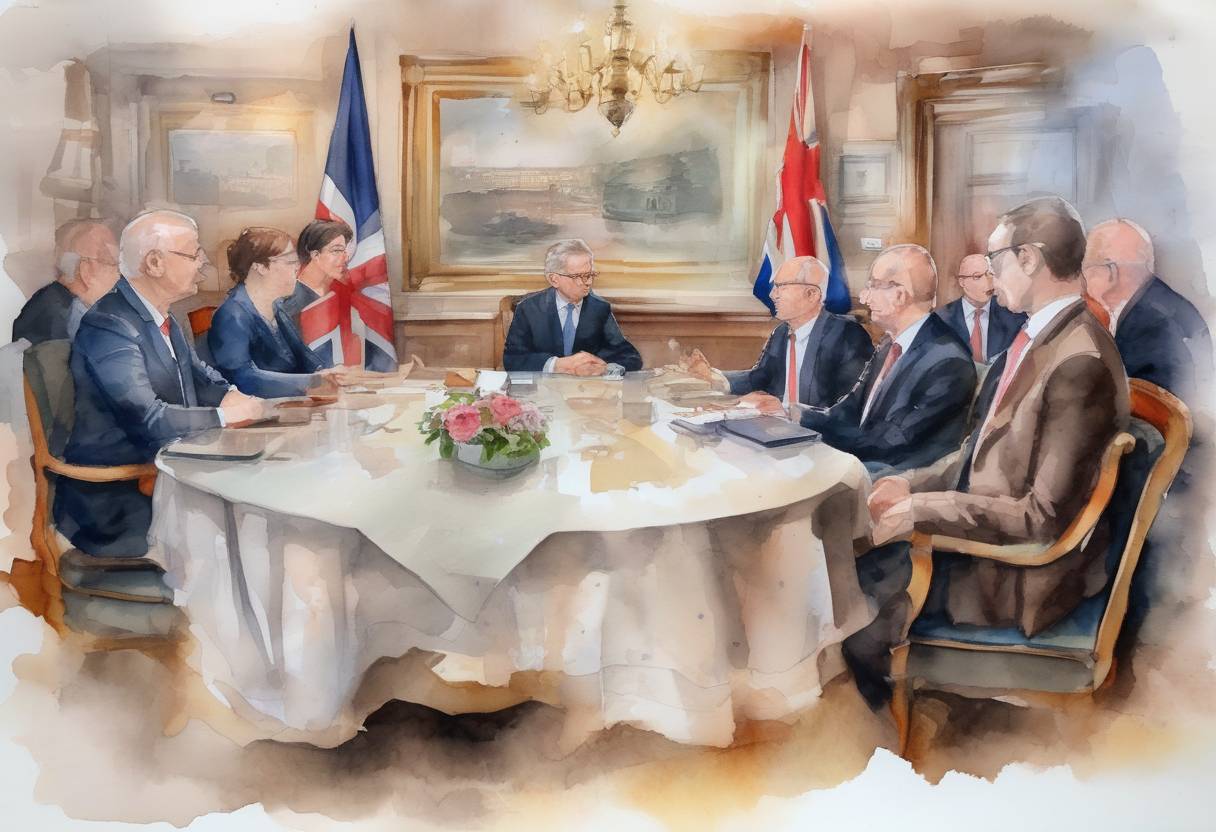
As of December 20, 2020, the United Kingdom and the European Union were deeply engaged in negotiations to finalize a post-Brexit trade deal. This period marked a critical juncture, as the deadline for reaching an agreement loomed at the end of the year. The negotiations were characterized by intense discussions and a sense of urgency, given the potential economic and political ramifications of failing to secure a deal.
Brexit Referendum: The journey towards these negotiations began with the Brexit referendum on June 23, 2016, when the UK voted to leave the EU. This decision set off a complex process of disentangling the UK from the EU’s political and economic structures.
Withdrawal Agreement: The UK formally left the EU on January 31, 2020, following the ratification of the Withdrawal Agreement. This agreement included a transition period, lasting until December 31, 2020, during which the UK remained in the EU’s single market and customs union while negotiations for a future trade relationship continued.
Fishing Rights: One of the most contentious issues was fishing rights. The UK sought to regain control over its waters, while EU member states, particularly France, demanded continued access for their fishing fleets.
Level Playing Field: Ensuring fair competition was another major sticking point. The EU insisted on mechanisms to prevent the UK from undercutting EU standards on labor, environmental regulations, and state aid.
Governance and Dispute Resolution: Both parties needed to agree on how the trade deal would be governed and how disputes would be resolved, with the EU pushing for a robust enforcement mechanism.
By December 20, 2020, negotiations were in a critical phase. Both sides were under immense pressure to reach an agreement to avoid a “no-deal” scenario, which would result in tariffs and quotas being imposed on UK-EU trade, potentially causing significant economic disruption.
Intensive Talks: Negotiators, led by Michel Barnier for the EU and David Frost for the UK, were engaged in intensive talks, often extending late into the night.
Political Involvement: The negotiations saw direct involvement from political leaders, including UK Prime Minister Boris Johnson and European Commission President Ursula von der Leyen, reflecting the high stakes involved.
The outcome of these negotiations was crucial not only for the UK and the EU but also for global trade dynamics. A successful deal would set a precedent for future UK-EU relations and influence the UK’s trade agreements with other countries.
Agreement Reached: On December 24, 2020, a trade deal was finally reached, just days before the deadline. This agreement, known as the Trade and Cooperation Agreement, established the terms of the future relationship between the UK and the EU, covering trade, security, and other areas of cooperation.
Implementation: The deal came into provisional effect on January 1, 2021, pending ratification by the European Parliament and the UK Parliament.
The negotiations and their outcome marked a significant chapter in the post-Brexit era, shaping the future of UK-EU relations and impacting the global economic landscape.
Source: www.bbc.com