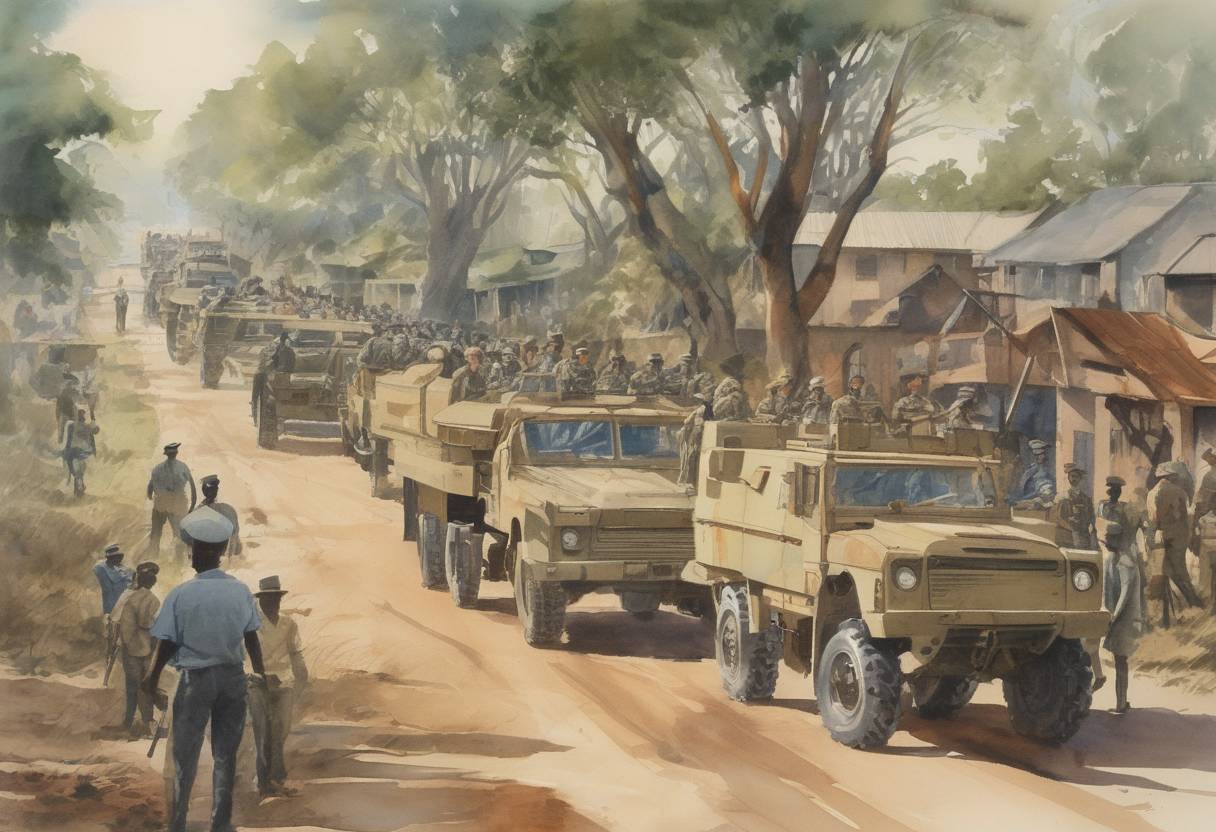
Unilateral Declaration of Independence by Rhodesia - November 11, 1965
On November 11, 1965, the British colony of Southern Rhodesia, under the leadership of Prime Minister Ian Smith, made a historic and controversial move by declaring its Unilateral Declaration of Independence (UDI) from the United Kingdom. This declaration marked the first time a British colony had declared independence unilaterally since the American Declaration of Independence in 1776. The UDI was a pivotal moment in the history of Rhodesia, leading to significant international repercussions and internal conflict.
Context and Background
Colonial Status: Southern Rhodesia had been a self-governing British colony since 1923. By the 1960s, the colony was predominantly governed by a white minority, despite a large African majority population.
Pressure for Change: The post-World War II era saw increasing pressure for decolonization and majority rule across Africa. The British government, under Prime Minister Harold Wilson, was advocating for a transition to majority rule in its African colonies, including Rhodesia.
White Minority Rule: The white minority in Rhodesia, led by Ian Smith and his Rhodesian Front party, was resistant to the idea of majority rule, fearing the loss of political and economic control. They sought to maintain their dominance and were unwilling to accept British demands for immediate majority rule.
The Declaration
UDI Announcement: On November 11, 1965, Ian Smith announced the Unilateral Declaration of Independence, asserting that Rhodesia was now an independent sovereign state. The declaration was made without the consent of the British government, which deemed it illegal.
Rationale: Smith and his government justified the UDI by claiming it was necessary to protect Rhodesian interests and prevent the chaos they believed would ensue from a rapid transition to majority rule.
International Reaction
Condemnation: The UDI was met with widespread international condemnation. The United Nations and the British government refused to recognize the legitimacy of the Rhodesian government.
Sanctions: The United Nations imposed economic sanctions on Rhodesia, aiming to isolate the regime and pressure it into negotiations for majority rule. These sanctions included trade embargoes and diplomatic isolation.
Consequences and Conflict
Internal Strife: The declaration exacerbated tensions within Rhodesia, leading to increased conflict between the white minority government and African nationalist movements, such as the Zimbabwe African National Union (ZANU) and the Zimbabwe African People’s Union (ZAPU).
Bush War: The internal conflict escalated into a protracted guerrilla war, known as the Rhodesian Bush War or the Second Chimurenga, which lasted until 1979. This conflict was characterized by violence and significant loss of life.
Path to Resolution: The situation remained unresolved until the Lancaster House Agreement in 1979, which paved the way for the end of white minority rule and the establishment of Zimbabwe as an independent nation in 1980, with Robert Mugabe as its first Prime Minister.
Historical Significance
The UDI by Rhodesia is a significant event in the history of decolonization and African independence movements. It highlighted the complexities and challenges of transitioning from colonial rule to majority governance. The international response to the UDI underscored the global commitment to decolonization and the principle of self-determination, setting a precedent for future conflicts and resolutions in the region.