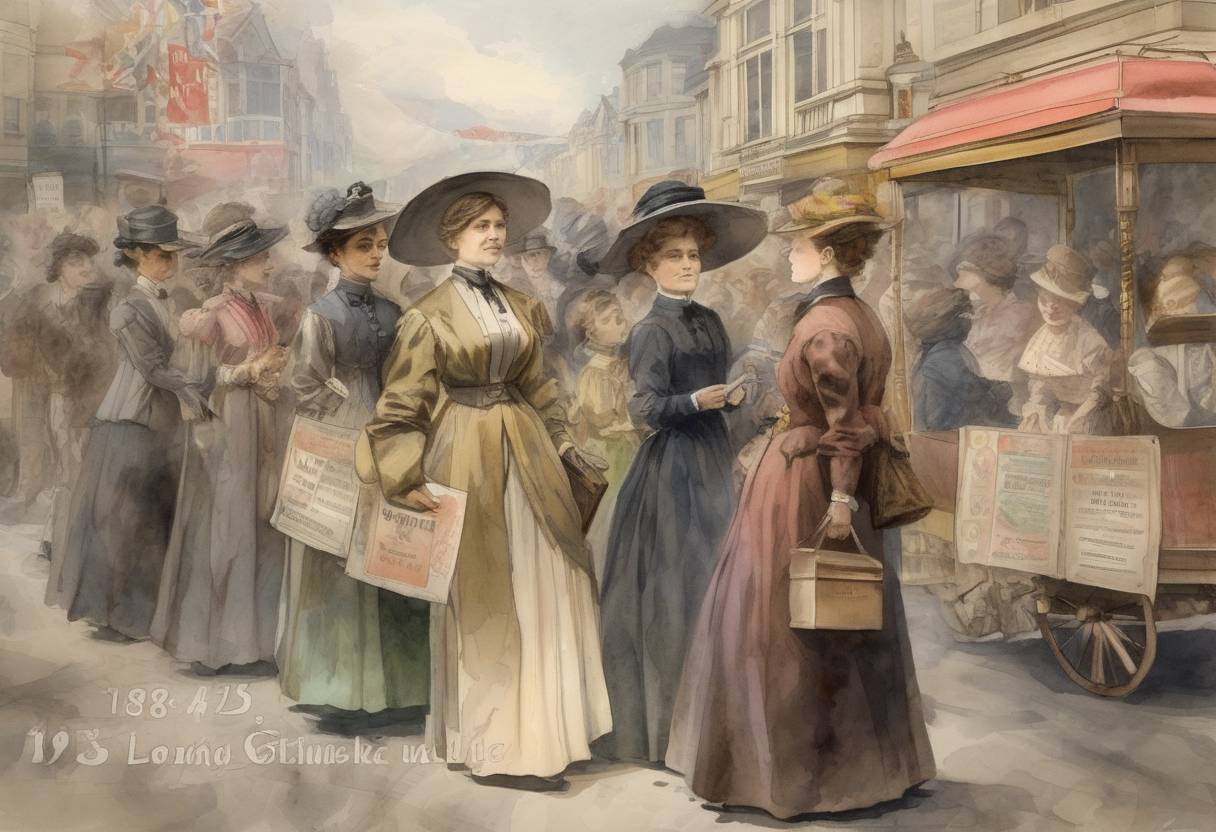
New Zealand Grants Women the Right to Vote: September 19, 1893
On September 19, 1893, New Zealand became the first self-governing country in the world to grant women the right to vote in parliamentary elections. This landmark decision marked a significant milestone in the global women’s suffrage movement and set a precedent for other nations to follow.
Context and Background
The movement for women’s suffrage in New Zealand began in the late 19th century, driven by a growing awareness of women’s rights and the influence of similar movements in other parts of the world. The campaign gained momentum in the 1880s, largely due to the efforts of the Women’s Christian Temperance Union (WCTU) and other suffrage advocates.
- Kate Sheppard: A prominent leader of the suffrage movement in New Zealand, Sheppard was instrumental in organizing petitions and rallies. Her leadership and strategic campaigning played a crucial role in the success of the movement.
- Sir John Hall: A member of the New Zealand Parliament, Hall was a strong supporter of women’s suffrage and introduced several bills advocating for women’s voting rights.
The Path to Suffrage
The suffrage movement in New Zealand was characterized by persistent advocacy and strategic campaigning. Key events leading up to the 1893 decision included:
- Petitions: The suffragists organized several petitions, the largest of which was presented to Parliament in 1893 with nearly 32,000 signatures. This demonstrated widespread public support for women’s suffrage.
- Legislative Efforts: Multiple bills were introduced in Parliament throughout the 1880s and early 1890s. Although initially unsuccessful, these efforts kept the issue in the public eye and gradually built political support.
The 1893 Electoral Act
On September 19, 1893, the New Zealand Parliament passed the Electoral Act 1893, granting all women the right to vote. This historic legislation was signed into law by Governor Lord Glasgow, making New Zealand the first country to extend voting rights to women in national elections.
Aftermath and Significance
The enfranchisement of women in New Zealand had several significant consequences:
- Increased Political Participation: Women participated in their first general election on November 28, 1893, with a high voter turnout of 82% among registered women voters.
- Global Influence: New Zealand’s decision inspired suffrage movements worldwide, providing a successful example of women’s enfranchisement.
- Continued Advocacy: While women gained the right to vote, the struggle for equal rights continued, including the right to stand for election, which was achieved in 1919.
Conclusion
The granting of voting rights to women in New Zealand on September 19, 1893, was a pivotal moment in the history of women’s rights. It demonstrated the power of organized advocacy and set a global precedent, influencing suffrage movements across the world. This achievement remains a celebrated milestone in the ongoing pursuit of gender equality.