Abu Sayyaf Attack on Philippine Military Convoy - December 8, 2004
2004 · Jolo, Philippines
The Al-Qaeda-linked group Abu Sayyaf attacked a Philippine military convoy on the island of Jolo, resulting in the deaths of at least 10 soldiers.
April 3, 2004
Islamic militants launch a series of coordinated bombings in the southern Philippines, killing 21 people and injuring over 100.
Jolo, Philippines | Abu Sayyaf
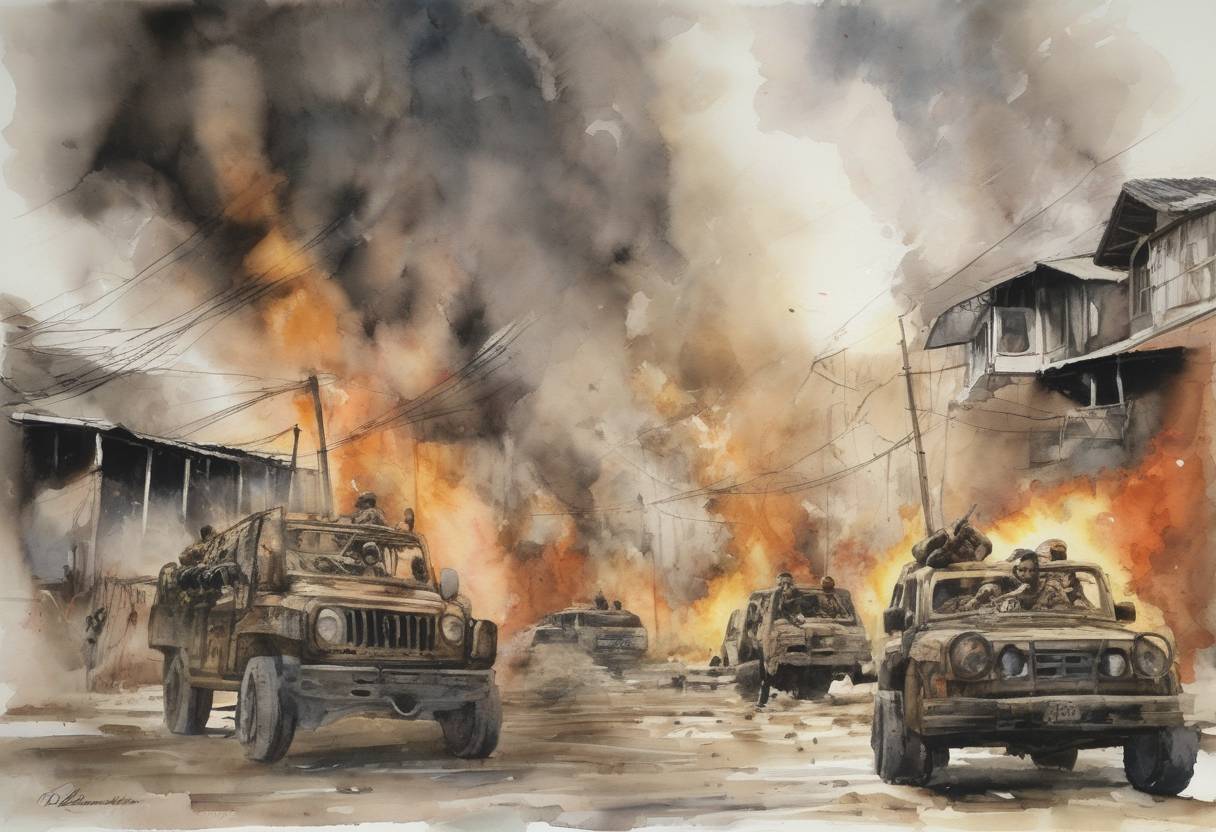
On April 3, 2004, a series of coordinated bombings orchestrated by Islamic militants struck the southern Philippines, resulting in the tragic loss of 21 lives and injuring over 100 individuals. This violent episode underscored the ongoing security challenges in the region, which has been plagued by insurgency and separatist movements for decades.
The southern Philippines, particularly the Mindanao region, has long been a hotspot for conflict due to historical grievances, ethnic tensions, and the presence of various militant groups. Among these groups, the Abu Sayyaf Group (ASG) and the Moro Islamic Liberation Front (MILF) have been particularly active. These organizations have sought greater autonomy or independence for the Muslim-majority areas in the south, often resorting to violence to achieve their aims.
The attacks on April 3, 2004, were meticulously planned and executed, targeting multiple locations to maximize chaos and casualties. The bombings occurred in several cities, including:
These attacks were timed to occur almost simultaneously, demonstrating a high level of coordination and planning by the perpetrators.
In the immediate aftermath, emergency services and local authorities were overwhelmed by the scale of the destruction. Hospitals were inundated with injured victims, and a state of heightened alert was declared across the region. The Philippine government condemned the attacks and vowed to bring those responsible to justice.
The April 3 bombings were part of a broader pattern of violence that has afflicted the southern Philippines for years. They highlighted the persistent threat posed by militant groups in the region and the challenges faced by the Philippine government in maintaining security and stability.
In response to such attacks, the government has engaged in both military operations and peace negotiations with various insurgent groups. Efforts to address the root causes of the conflict, such as poverty and lack of development, have also been part of the broader strategy to achieve lasting peace.
The bombings on April 3, 2004, serve as a stark reminder of the complex and enduring conflict in the southern Philippines. They underscore the need for continued efforts towards peace and reconciliation in a region that has long been marred by violence and instability.
Source: www.bbc.com