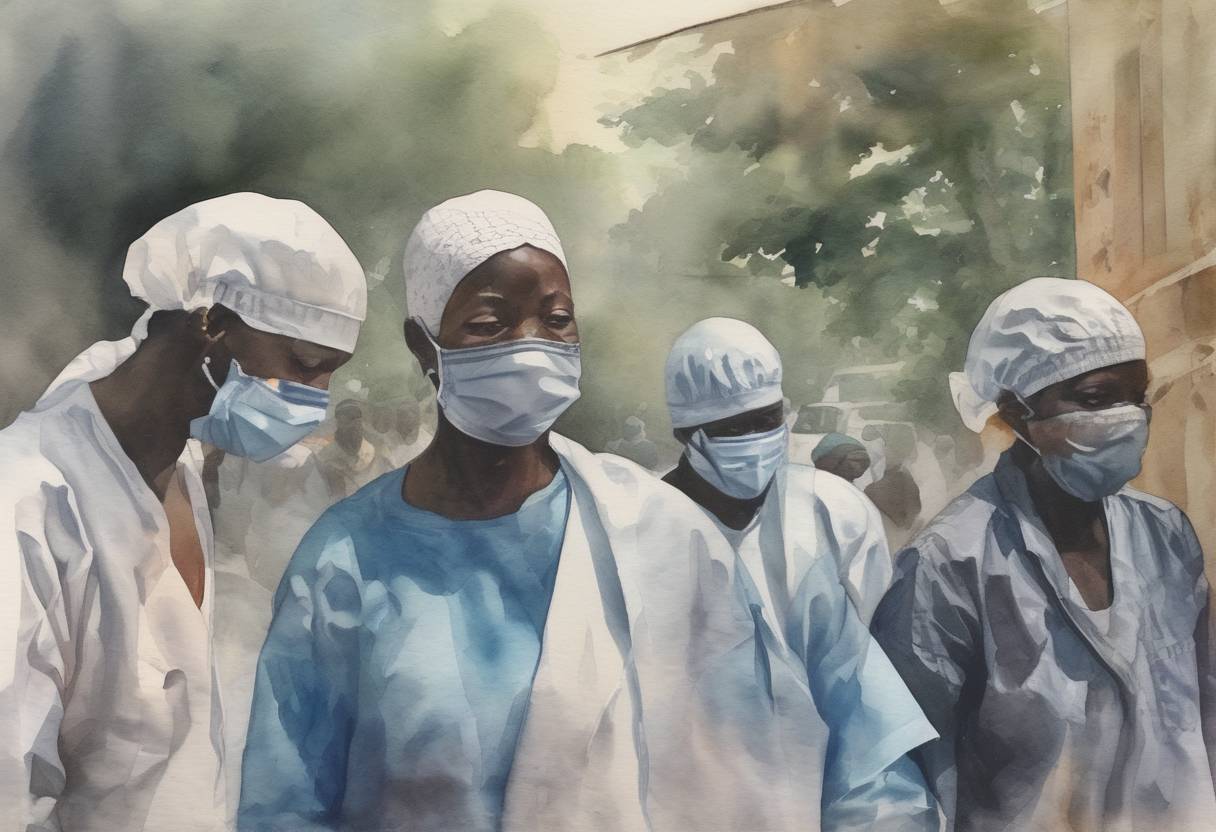
WHO Declares End of Ebola Public Health Emergency: February 10, 2016
On February 10, 2016, the World Health Organization (WHO) declared that the Ebola outbreak in West Africa no longer constituted a Public Health Emergency of International Concern (PHEIC). This announcement marked a significant milestone in the global response to one of the deadliest outbreaks of the Ebola virus in history.
Background
The Ebola outbreak began in December 2013 in Guinea and rapidly spread to neighboring countries, including Liberia and Sierra Leone. It was the largest and most complex Ebola outbreak since the virus was first discovered in 1976. The outbreak resulted in over 28,000 cases and more than 11,000 deaths, primarily in West Africa.
Key Events Leading to the Declaration
Rapid Spread and International Response:
- The outbreak was declared a PHEIC by the WHO on August 8, 2014, due to its severity and the need for a coordinated international response.
- International efforts included the deployment of healthcare workers, establishment of treatment centers, and implementation of public health measures to contain the virus.
Development of Vaccines and Treatments:
- During the outbreak, significant progress was made in the development of vaccines and treatments for Ebola, including the rVSV-ZEBOV vaccine, which showed high efficacy in trials.
Community Engagement and Health Infrastructure:
- Efforts to engage local communities and strengthen health infrastructure were crucial in controlling the outbreak. Public health education and community cooperation played a vital role in reducing transmission.
The WHO’s Declaration
The WHO’s decision to lift the PHEIC status was based on the significant decline in Ebola cases and the improved capacity of affected countries to manage and respond to potential flare-ups. By February 2016, the transmission chains had been interrupted, and the risk of international spread was significantly reduced.
Aftermath and Consequences
- Continued Vigilance: Despite the declaration, the WHO emphasized the need for continued vigilance and readiness to respond to any new cases. The risk of flare-ups remained due to the persistence of the virus in survivors.
- Strengthened Health Systems: The outbreak highlighted the importance of robust health systems and international cooperation in managing infectious diseases. Lessons learned from the Ebola response have informed global health strategies for future outbreaks.
- Impact on Global Health Policy: The outbreak underscored the need for rapid international response mechanisms and the importance of research and development in combating emerging infectious diseases.
The WHO’s declaration on February 10, 2016, was a testament to the collaborative efforts of governments, international organizations, and local communities in overcoming a major public health crisis. It also served as a reminder of the ongoing challenges in global health security and the need for sustained efforts to prevent future outbreaks.