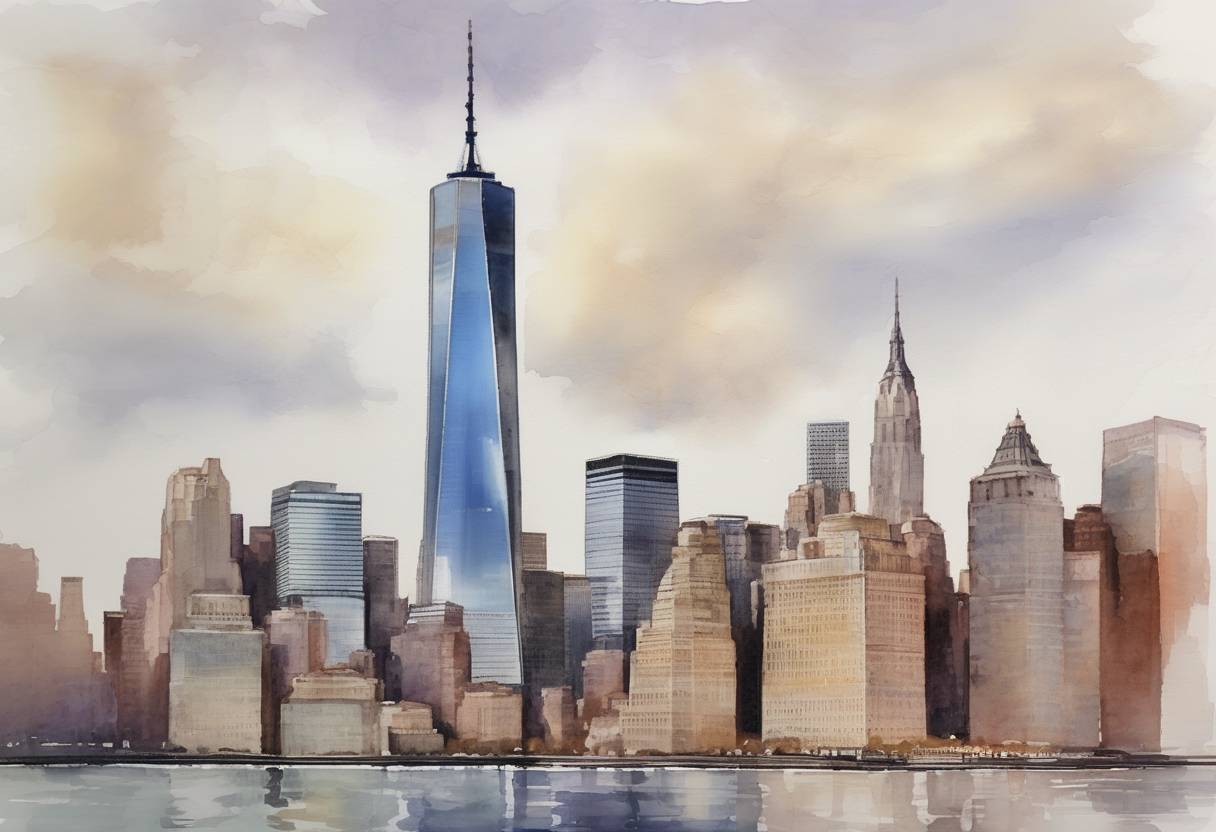
One World Trade Center Official Opening - November 3, 2014
On November 3, 2014, One World Trade Center officially opened in New York City, marking a significant milestone in the reconstruction of the World Trade Center site following the devastating September 11, 2001, terrorist attacks. This event symbolized resilience and renewal for both New York City and the United States.
Background
- September 11, 2001: The original World Trade Center complex was destroyed in a coordinated terrorist attack, leading to the loss of nearly 3,000 lives and significant damage to Lower Manhattan.
- Reconstruction Efforts: In the aftermath, plans were initiated to rebuild the site. The process involved extensive public and political discourse, architectural competitions, and planning to ensure that the new structures would honor the memory of the victims while revitalizing the area.
Key Features of One World Trade Center
- Design and Architecture: Designed by architect David Childs of Skidmore, Owings & Merrill, One World Trade Center stands at a symbolic height of 1,776 feet, referencing the year of American independence. Its design incorporates a blend of modern aesthetics and robust security features.
- Construction: Groundbreaking for the building occurred in April 2006, and the structure was topped out in August 2012. The building’s construction was a complex engineering feat, involving innovative safety measures and sustainable design elements.
- Significance: As the tallest building in the Western Hemisphere, One World Trade Center serves as a powerful symbol of resilience and hope. It is a central part of the new World Trade Center complex, which includes memorials, museums, and additional office buildings.
Opening and Impact
- Opening Day: The official opening on November 3, 2014, was marked by the arrival of the first tenants, including the publishing giant Condé Nast. The event was a moment of reflection and celebration for the city and the nation.
- Economic and Cultural Impact: The building has since become a hub for business and tourism, contributing to the economic revitalization of Lower Manhattan. It also serves as a poignant reminder of the past, with the adjacent National September 11 Memorial & Museum providing a space for remembrance and education.
Broader Historical Significance
The opening of One World Trade Center was not just a construction milestone but a testament to the enduring spirit of New York City and the United States. It represents a commitment to rebuilding and moving forward while honoring those who were lost. The building stands as a beacon of hope and a symbol of the city’s resilience in the face of adversity.