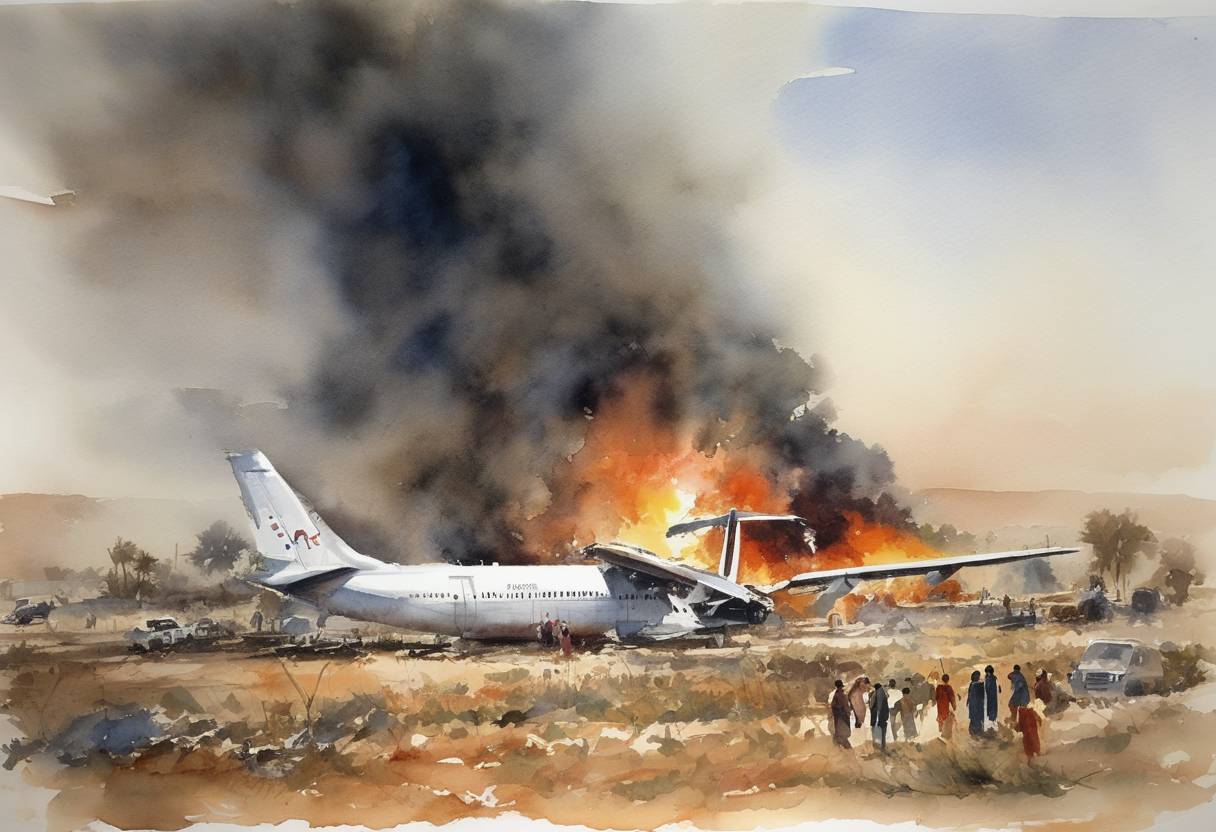
EAS Airlines Flight 4226 Crash on May 4, 2002
On May 4, 2002, EAS Airlines Flight 4226, a domestic flight operating in Nigeria, tragically crashed, marking one of the deadliest aviation disasters in the nation’s history. The aircraft involved was a BAC One-Eleven 525FT that encountered catastrophic failure shortly after takeoff.
Incident Summary
- Location: The crash occurred near the city of Kano, situated in northern Nigeria. The aircraft went down in the densely populated neighborhood of Gwammaja shortly after taking off from Mallam Aminu Kano International Airport.
- Time: The incident took place shortly after the plane’s takeoff at around 2:35 PM local time.
- Aircraft Details: The BAC One-Eleven 525FT, a British-designed twin-engine jet airliner, was operated by EAS Airlines, a Nigerian airline company.
Casualties
- Fatalities: 149 people were reported dead due to the crash, with 75 of these being on-board the aircraft while the rest were from the ground, affecting the civilians of the Gwammaja neighborhood.
- Survivors: Remarkably, some passengers survived the crash, although they sustained serious injuries.
Cause of the Crash
The initial investigations into the accident proposed multiple potential causes:
- Mechanical Failure: It was suspected that the aircraft suffered a mechanical fault shortly after takeoff, leading to the pilot’s inability to maintain altitude and control.
- Overloading: Overloading was also considered as a contributing factor, with suggestions that the aircraft might have been carrying passengers beyond its certified capacity.
Aftermath and Impact
- Regulatory Response: Following the tragic incident, Nigerian aviation authorities faced criticisms over the enforcement of airline safety standards and regulations. The crash prompted reviews of aviation oversight processes in the country.
- Public Reaction: The disaster deeply affected the local community of Kano and caused widespread mourning across Nigeria, drawing attention to issues related to air travel safety in Nigeria and sparking calls for improvement.
Broader Significance
The EAS Airlines crash is a stark reminder of the crucial need for stringent safety regulations and aircraft maintenance protocols. It catalyzed discussions surrounding aviation safety in sub-Saharan Africa and serves as a tragic chapter in Nigeria’s civil aviation history.
The event emphasizes the importance of continued vigilance and investment in aviation infrastructure to prevent such disasters from recurring.