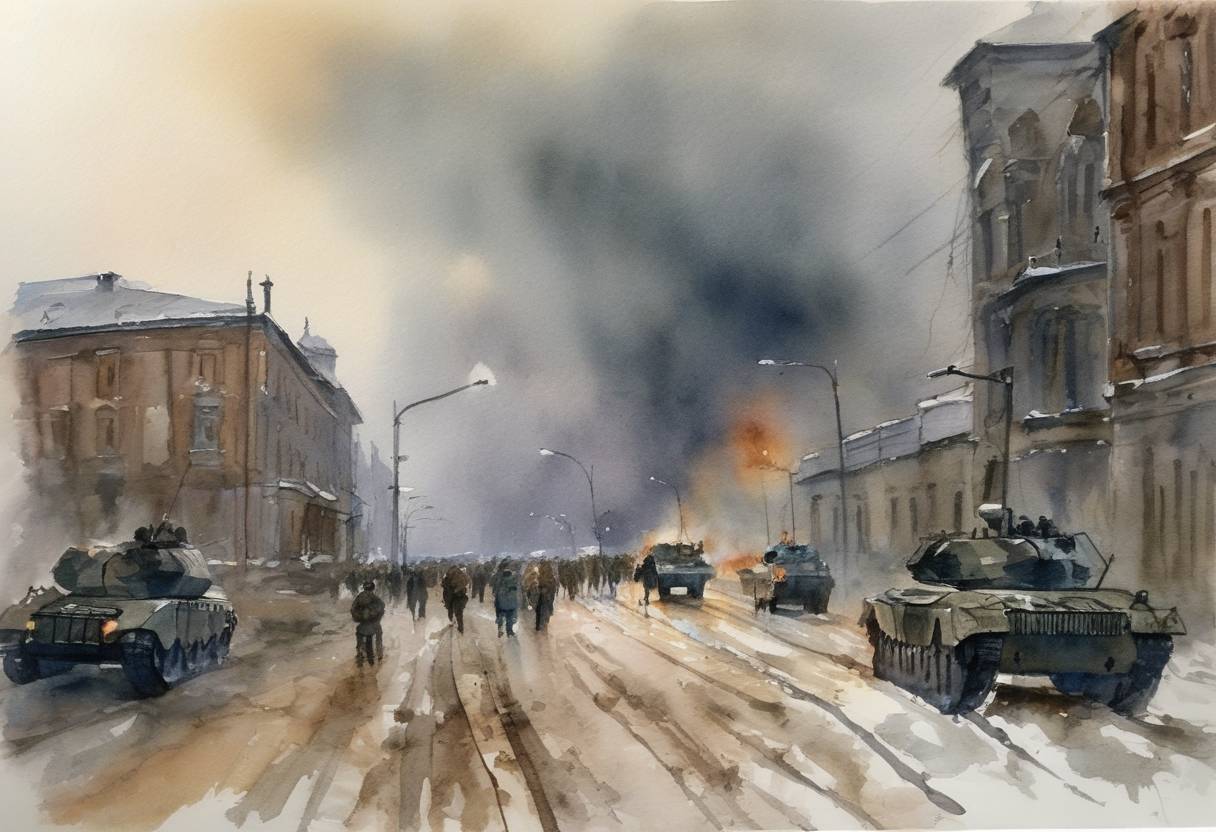
The Nord-Ost Siege Conclusion: October 28, 2002
The Nord-Ost Siege, also known as the Dubrovka Theater hostage crisis, ended on October 28, 2002, in Moscow, Russia, following a dramatic intervention by Russian security forces. This marked the culmination of a tense and tragic standoff that had begun on October 23, 2002, when approximately 40 to 50 Chechen militants took about 850 people hostage during a performance of the popular musical “Nord-Ost” at the Dubrovka Theater.
Context and Background
The militants, led by Shamil Basayev and motivated by the ongoing Chechen Wars, demanded the withdrawal of Russian forces from Chechnya. This action was part of the broader Russo-Chechen conflict, which had seen numerous clashes and acts of terrorism as Chechnya sought independence from Russia.
Events Leading to the Storming
Over the course of the siege, Russian authorities engaged in negotiations with the hostage-takers. However, after days of tense discussions and amid growing concerns over the hostages’ health, especially given the deteriorating conditions inside the theater, Russian officials decided to employ a decisive strategy.
The Russian Operation
In the early hours of October 28, Russian special forces, aided by the Federal Security Service (FSB), initiated a critical operation to end the siege. They used a gas, later identified as a fentanyl-based compound, to incapacitate both the militants and hostages within the theater. Following the release of the gas, special forces stormed the building.
Aftermath and Casualties
The operation successfully led to the killing of all the militants, but it also resulted in the tragic loss of approximately 130 hostages. The primary cause of these casualties was attributed to the effects of the gas on the hostages, compounded by insufficient medical response capabilities at the time.
Consequences and Impact
The handling of the siege drew significant criticism, both domestically and internationally, primarily due to the lack of transparency about the gas used and the insufficient medical preparedness. The incident highlighted the complexities and dire consequences of combating terrorism within civilian-populated areas and led to calls for improved tactics in hostage rescue operations.
The Nord-Ost siege remains a poignant reminder of the human cost of geopolitical and internal conflicts, influencing both Russian domestic policies and international perspectives on counter-terrorism strategies.