Booker T. Washington Delivers the Atlanta Compromise Speech
1895 · Atlanta, United States
Booker T. Washington delivers the Atlanta Compromise speech at the Cotton States and International Exposition in Atlanta, Georgia.
April 5, 1856
Booker T. Washington, an influential African American educator, author, and advisor to multiple presidents of the United States, was born.
Hale's Ford, United States
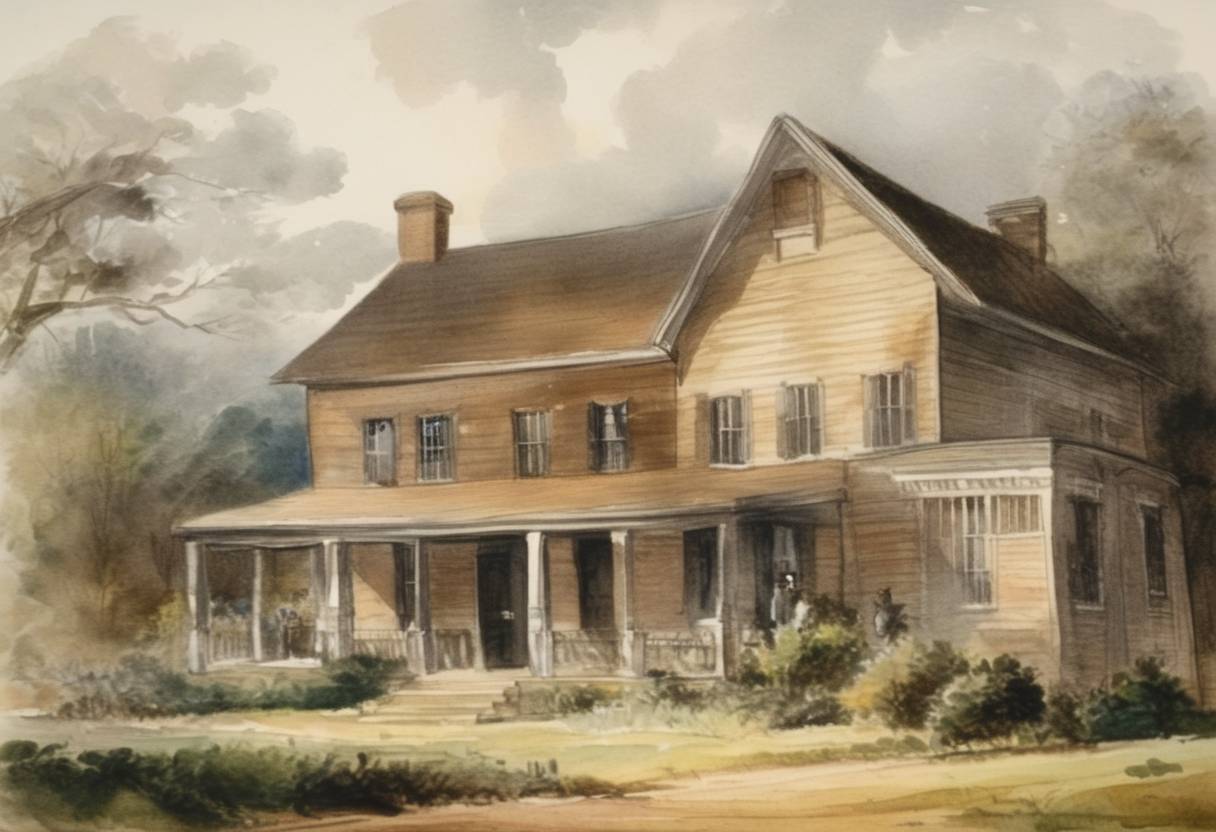
Date of Birth: April 5, 1856
Place of Birth: Hale’s Ford, Franklin County, Virginia, United States
Family Background: Booker T. Washington was born into slavery. His mother, Jane, was an enslaved African American woman who worked as a cook for the Burroughs family, owners of the plantation where Washington was born. The identity of his father is unknown, though he is believed to have been a white man from a nearby plantation.
Emancipation and Education: Following the end of the Civil War in 1865 and the Emancipation Proclamation, Washington’s family gained their freedom. They moved to Malden, West Virginia. Washington, deeply passionate about learning, worked in salt furnaces and coal mines while pursuing education. He taught himself to read and later attended Hampton Normal and Agricultural Institute in Virginia, where he excelled academically.
Tuskegee Institute (Now Tuskegee University): In 1881, Washington was named as the first leader of the Tuskegee Normal and Industrial Institute in Alabama, which is now known as Tuskegee University. Under his leadership, the institute became a leading center for African American education, emphasizing vocational training to help African Americans gain economic independence.
Atlanta Compromise: Washington’s speech at the Cotton States and International Exposition in Atlanta in 1895, known as the Atlanta Compromise, proposed that African Americans should focus on vocational training and economic self-reliance while postponing demands for civil rights. This pragmatic approach garnered White support but also faced criticisms from other African American leaders, like W.E.B. Du Bois.
Author and Orator: Washington authored several influential books, including his autobiography, Up from Slavery (1901), which details his life from childhood in slavery to his work at Tuskegee. His literary and oratorical skills played a major role in his ability to reach and motivate various audiences, including attracting contributions and support for his educational causes from philanthropists like Andrew Carnegie and John D. Rockefeller.
Advisor to Presidents: Washington was an advisor to several U.S. presidents, including Theodore Roosevelt and William Howard Taft. He was the first African American to be invited to the White House by President Roosevelt in 1901, symbolizing his influence and recognition.
Controversial Figure: Although he was immensely influential, Washington’s strategies and philosophy were controversial within the African American community. Critics argued that his conciliatory approach to racial issues undermined the fight for racial equality and civil rights. Despite these critiques, his role in advancing education and economic opportunities for African Americans remains significant.
Death: Booker T. Washington died on November 14, 1915. His death marked the end of an era in African American leadership, but his work at Tuskegee continued to impact generations.
Washington’s contributions to education and race relations in America left a lasting legacy that continues to be studied and debated by historians and scholars in the context of the broader civil rights movement.
Source: www.biography.com