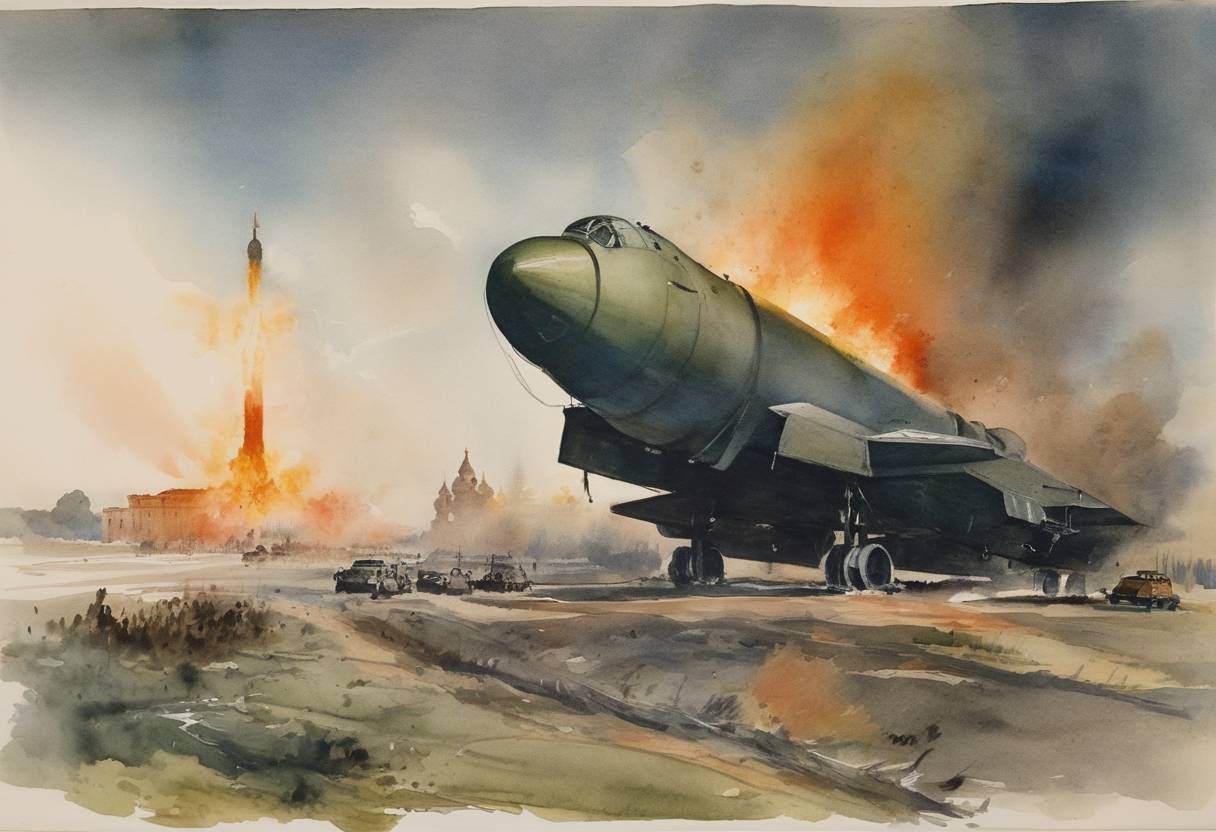
The Partial Test Ban Treaty Comes into Effect
On October 10, 1963, the Partial Test Ban Treaty (PTBT) officially came into effect, marking a pivotal moment in the efforts to curb nuclear proliferation during the Cold War. The treaty prohibited all test detonations of nuclear weapons except for those conducted underground, thereby eliminating nuclear explosions underwater, in the atmosphere, or in outer space. This development was a significant step toward nuclear disarmament and environmental protection.
Background
The push for the PTBT was largely motivated by global concerns over the radioactive fallout from atmospheric nuclear tests, which posed serious health and environmental risks. The treaty emerged from a period of intense negotiations primarily driven by three Nuclear Powers of the time: the United States, the Soviet Union, and the United Kingdom. The negotiations were part of broader arms control discussions that reflected the tense atmosphere of the Cold War and the desire to reduce the nuclear threat.
Key Events Leading to the Treaty
- 1950s: Widespread public concern about nuclear weapons’ environmental and health impacts grows, along with global advocacy for disarmament.
- May 1960: Initial meetings in Geneva to discuss nuclear test bans demonstrate diverging positions between the United States and the Soviet Union.
- Cuban Missile Crisis (October 1962): This confrontation between the United States and the Soviet Union escalates fears of nuclear war, providing renewed urgency for reaching an arms control agreement.
- August 5, 1963: The PTBT is signed in Moscow after extensive negotiations.
Aftermath and Significance
With the PTBT coming into force on October 10, 1963, it ushered in an era where global leaders became increasingly committed to arms control negotiations. While not all countries with nuclear capabilities immediately signed the treaty, it helped pave the way for future accords aimed at limiting and reducing nuclear weapons, such as the Nuclear Non-Proliferation Treaty (NPT) of 1968.
The PTBT’s implementation also demonstrated a rare moment of cooperation between the United States and the Soviet Union at the height of the Cold War, symbolizing a mutual recognition of the need to control the nuclear arms race. Despite its limitations—such as allowing underground tests and lacking a comprehensive verification mechanism—the PTBT represented a critical initial framework for subsequent disarmament efforts.
Broader Historical Impact
The PTBT had long-lasting implications, stimulating scientific advancements in seismic monitoring to detect underground tests and fostering international cooperation for global security and peace. It reflected a shifting mindset from an arms build-up to strategic arms control and eventually contributed to the broader framework of nuclear arms reduction agreements.