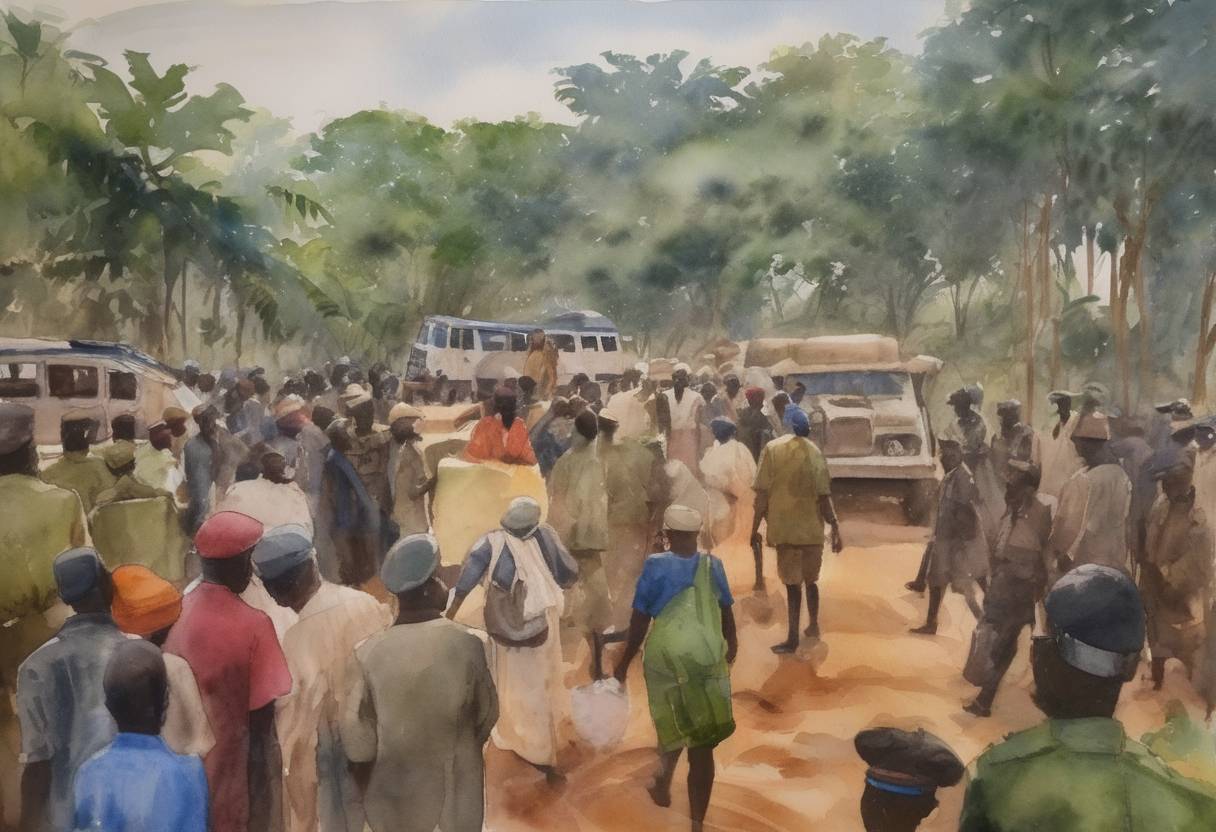
Reparations Ordered by the International Court of Justice
On October 19, 2021, the International Court of Justice (ICJ), the principal judicial organ of the United Nations, ordered Uganda to pay reparations to the Democratic Republic of the Congo (DRC) for the occupation of Ituri Province during the Second Congo War. The court’s decision came as a significant development in the long-standing legal dispute between the two African nations.
Background
The Second Congo War, also known as the Great War of Africa, occurred from 1998 to 2003. It involved multiple African countries, directly affecting the eastern regions of the DRC, including the resource-rich Ituri Province. Uganda was one of the countries that deployed troops into the DRC, citing security concerns. However, this military involvement led to allegations of human rights abuses and looting of natural resources by Ugandan forces.
Legal Proceedings
The case was originally brought before the ICJ by the DRC in 1999. The DRC accused Uganda of acts of aggression, including the illegal occupation of its territory, human rights violations, and unlawful exploitation of Congo’s resources. The ICJ ruled in 2005 that Uganda had violated international law through its actions in the DRC and was liable to pay reparations.
Decision and Implications
The specific decision on reparations announced on October 19, 2021, was critical in determining the financial compensation Uganda would owe the DRC. The ICJ meticulously examined the scope of damages inflicted by Uganda’s military presence, including loss of lives, displacements, and economic impacts on the local communities.
This ruling was a pivotal moment in African international relations and international law, highlighting the ongoing efforts to address wartime grievances through legal and peaceful means. It reinforced the role of the ICJ in resolving international disputes and upholding justice for affected nations.
The obligation for Uganda to pay reparations set a precedent for future cases involving conflicts and occupation, signifying a move towards accountability and restitution for nations affected by aggression and violations of international law.