2006 Thailand Coup d’État
On September 19, 2006, the Royal Thai Army initiated a coup d’état against the then-government of Prime Minister Thaksin Shinawatra. This marked Thailand’s first military coup in 15 years, effectively dismantling Thaksin’s administration while he was abroad in New York City attending a United Nations General Assembly meeting.
Context Leading up to the Coup
Thaksin Shinawatra, a telecommunications magnate turned politician, became the Thai prime minister in 2001, leading the Thai Rak Thai Party (TRT). His government implemented popular policies, such as the universal healthcare program and policies supporting rural development. However, Thaksin’s administration faced criticism and allegations of corruption, abuse of power, and disregard for democratic norms.
Political tension escalated due to accusations of conflicts of interest, particularly following the sale of the Shin Corporation to Singapore’s Temasek Holdings, which sparked widespread protests. The subsequent deterioration in relations with Thailand’s influential military and certain segments of the urban middle class, alongside discontent within the Privy Council, exacerbated the situation.
Key Events of September 19, 2006
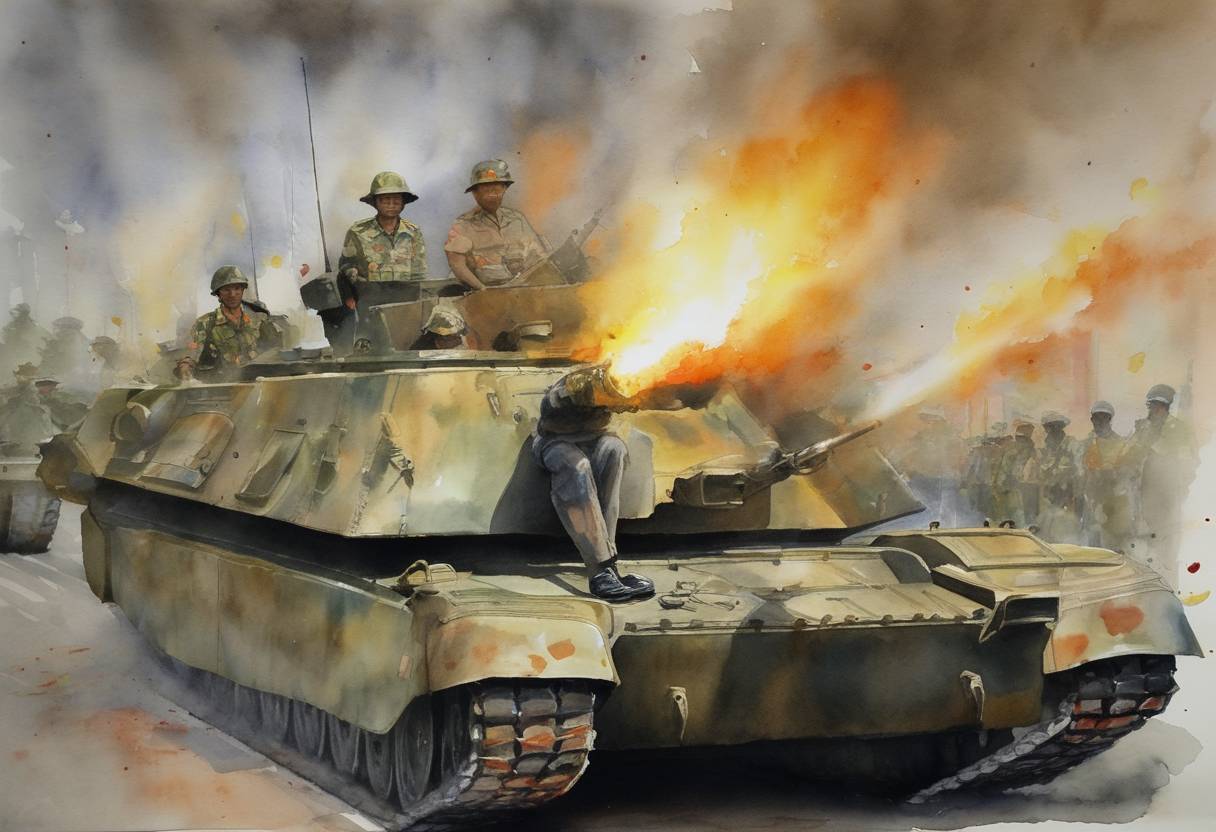
On the day of the coup, Army Commander-in-Chief General Sonthi Boonyaratglin led the military in seizing control of key government buildings, state media, and strategic urban points in Bangkok. Tanks and troops were deployed in the capital and swiftly secured locations without encountering significant resistance or violence.
The coup leaders justified their actions by citing concerns over political division and accusations against Thaksin of undermining democratic institutions. The military declared martial law, announced the suspension of the constitution, and dissolved the parliament.
Shortly after the coup, a body called the “Council for Democratic Reform” (later renamed the Council for National Security) was established, with General Sonthi as its head. This council assumed the powers of the interim government. The military quickly installed a civilian, General Surayud Chulanont, a former Army Commander and Privy Councilor, as the interim prime minister by October 1, 2006.
King Bhumibol Adulyadej, Thailand’s revered monarch, endorsed the coup and the new administration, providing a layer of legitimacy in the eyes of many Thai citizens.
Broader Historical Significance
The 2006 coup entrenched the military’s role in Thai politics and marked a significant intervention in the governance of the country. It led to the subsequent dissolution of Thaksin’s Thai Rak Thai Party and influenced a cycle of political instability that has persisted in various forms, with continued power struggles, additional coups, and protests shaping the country’s political landscape in the years following the events of September 2006.