Queen Elizabeth II Becomes Longest-Reigning Monarch
2015 · London, United Kingdom
Queen Elizabeth II became the longest-reigning monarch in British history, surpassing her great-great-grandmother, Queen Victoria.
October 1, 1727
George II of Great Britain began his reign following the death of his father, King George I.
London, Great Britain | British Monarchy
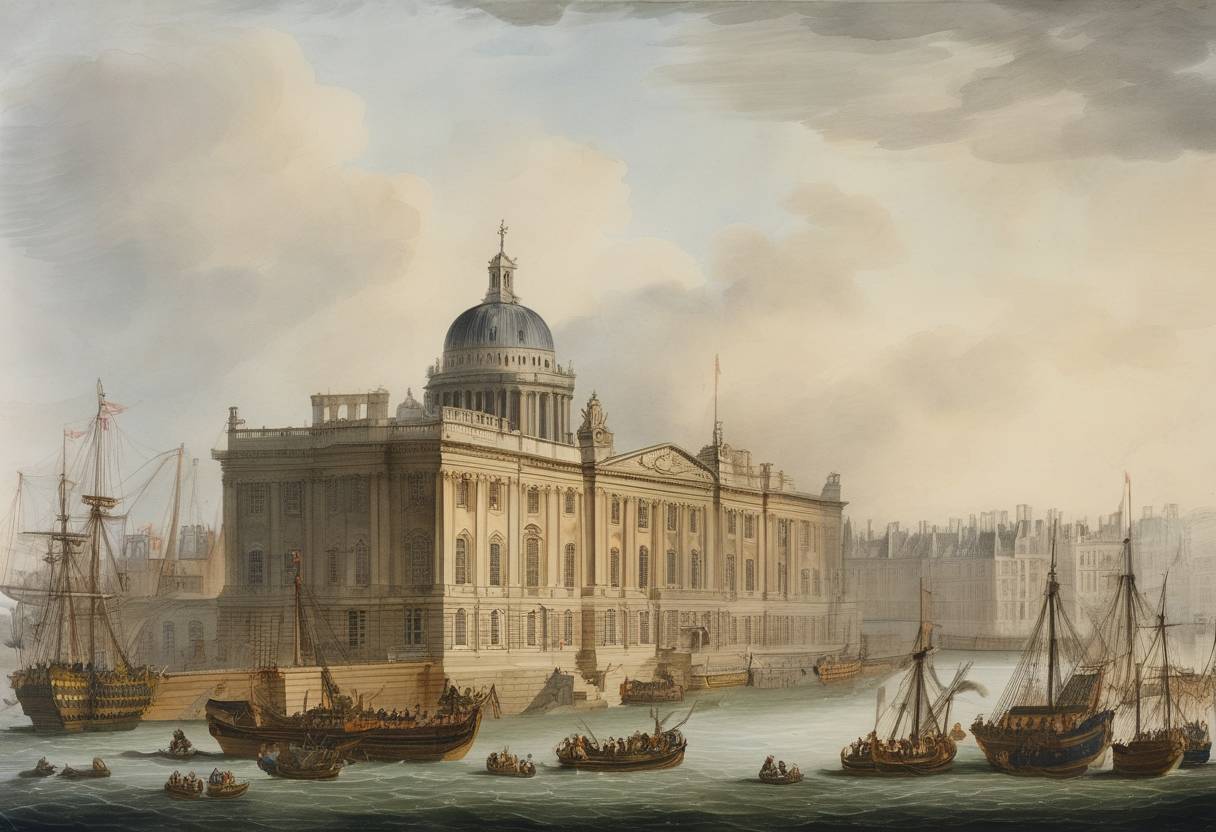
On October 1, 1727, George II became the King of Great Britain and Ireland following the death of his father, King George I. George I, who reigned from 1714 until his death in 1727, was the first British monarch of the House of Hanover. His accession marked a shift in the British monarchy, which continued with George II’s reign.
George II was born on November 10, 1683, in Hanover, Germany, and was the only son of George I and his wife Sophia Dorothea of Celle. Before becoming king, George II was the Prince of Wales. His relationship with his father was notably tense, primarily due to political disagreements and personal conflicts.
As the heir apparent and Prince of Wales, George II had limited power and authority, but he was involved in several significant political matters, especially during the later years of his father’s reign. This period was marked by the ongoing development of the constitutional monarchy, which limited the powers of the king and increased the influence of Parliament.
Upon ascending to the throne, George II continued the policies of his father but with some modifications, including strengthening the power of Parliament. His reign saw the growth of the British Empire overseas, notable military engagements, and developments in Hanover, his German territory.
George II is notably remembered for his involvement in the War of the Austrian Succession (1740-1748) and the Jacobite rising of 1745. His reign also included the rise of influential political figures such as Sir Robert Walpole, often regarded as the first de facto Prime Minister of Great Britain.
George II’s reign lasted until his death on October 25, 1760. During his tenure, he witnessed significant developments in colonial expansion, economic growth, and the further establishment of Britain’s naval power. His reign laid the groundwork for his grandson, George III, who would play a critical role in the historical tapestry of Britain, guiding it through instances like the American Revolution.
In summary, George II’s accession to the throne on October 1, 1727, represented a continuation and consolidation of Hanoverian influence and the evolution of the British constitutional monarchy, shaping the framework of modern British governance and politics.
Source: www.britannica.com