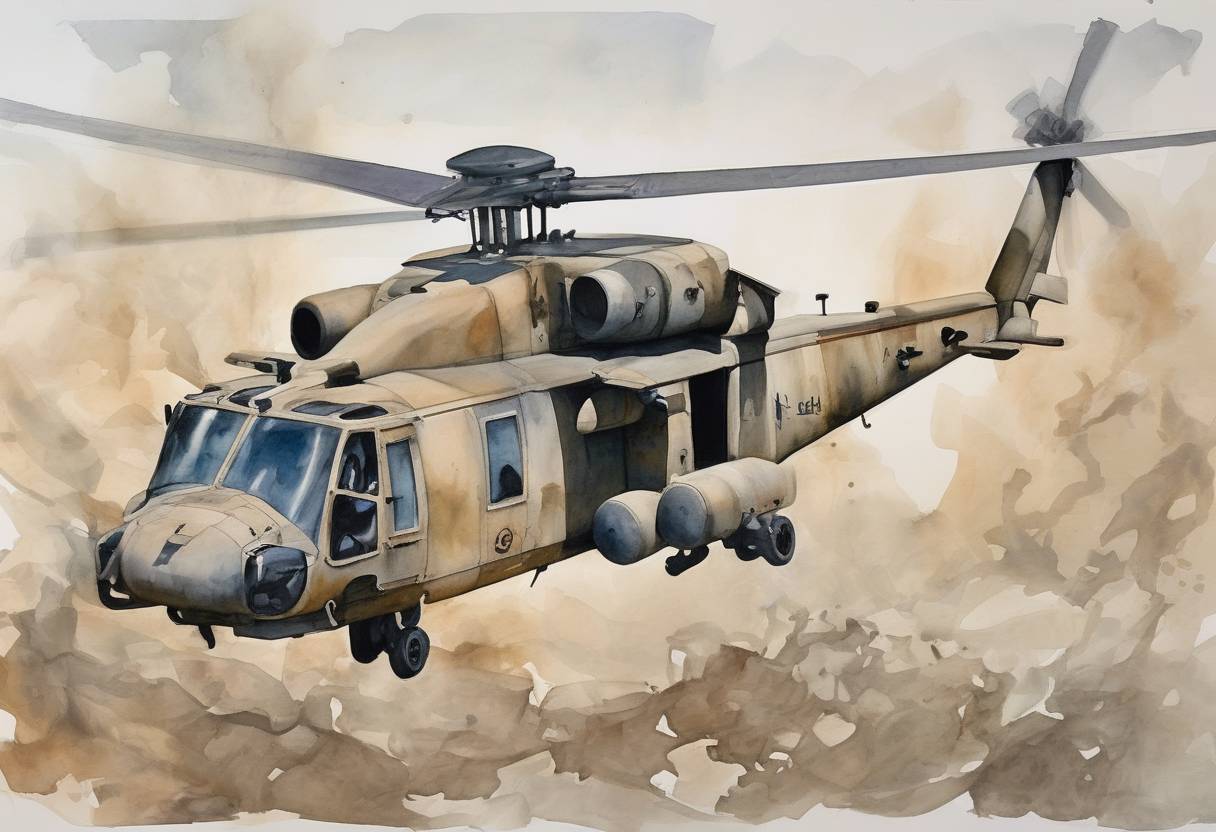
U.S. Military Helicopter Shot Down in Afghanistan - August 6, 2011
On August 6, 2011, a tragic event unfolded in Afghanistan that marked the deadliest day for U.S. forces in the decade-long war. A U.S. military helicopter, a CH-47 Chinook, was shot down by Taliban insurgents in the Wardak Province, resulting in the deaths of 30 American troops. Among those killed were 22 Navy SEALs, many of whom were members of the elite SEAL Team 6, the unit that had conducted the raid that killed Osama bin Laden just a few months earlier.
Context and Background
- Operation Enduring Freedom: The U.S. military presence in Afghanistan began in 2001 following the September 11 attacks, with the primary goal of dismantling al-Qaeda and removing the Taliban from power.
- Increased Insurgency: By 2011, the Taliban insurgency had intensified, leading to increased military operations and engagements across the country.
The Incident
- The Mission: The Chinook helicopter was part of a mission to support a group of Army Rangers who were engaged in a firefight with Taliban forces. The SEALs were being transported to reinforce the Rangers.
- The Attack: As the helicopter approached the combat zone, it was struck by a rocket-propelled grenade (RPG) fired by Taliban fighters, causing it to crash.
Casualties
- American Losses: The crash resulted in the deaths of 30 American service members, including 22 Navy SEALs, five Army National Guard and Reserve crewmen, and three Air Force personnel.
- Afghan and Canine Losses: Additionally, seven Afghan commandos and a military working dog were also killed in the crash.
Aftermath and Significance
- Impact on U.S. Military Operations: The incident highlighted the ongoing dangers faced by U.S. forces in Afghanistan and underscored the resilience and capabilities of the Taliban insurgency.
- Public and Political Reaction: The loss of so many elite troops in a single incident drew significant attention and prompted discussions about the future of U.S. involvement in Afghanistan.
- Commemoration and Honors: The fallen service members were honored for their bravery and sacrifice, with memorial services held across the United States.
Broader Historical Significance
- Strategic Reassessment: The event contributed to a broader reassessment of U.S. military strategy in Afghanistan, influencing subsequent decisions regarding troop levels and the eventual drawdown of forces.
- Legacy of SEAL Team 6: The incident brought attention to the risks faced by special operations forces and the critical role they play in modern military operations.
This tragic event remains a somber reminder of the sacrifices made by military personnel in the pursuit of national security objectives.