Pope Francis Creates 17 New Cardinals
2016 · Vatican City, Vatican City
Pope Francis created 17 new cardinals during a consistory at St. Peter's Basilica, further shaping the future electoral college that will choose his successor.
March 19, 2013
Pope Francis was inaugurated as the 266th pope of the Roman Catholic Church, becoming the first pope from the Americas and the Southern Hemisphere.
Vatican City, Vatican City | Roman Catholic Church
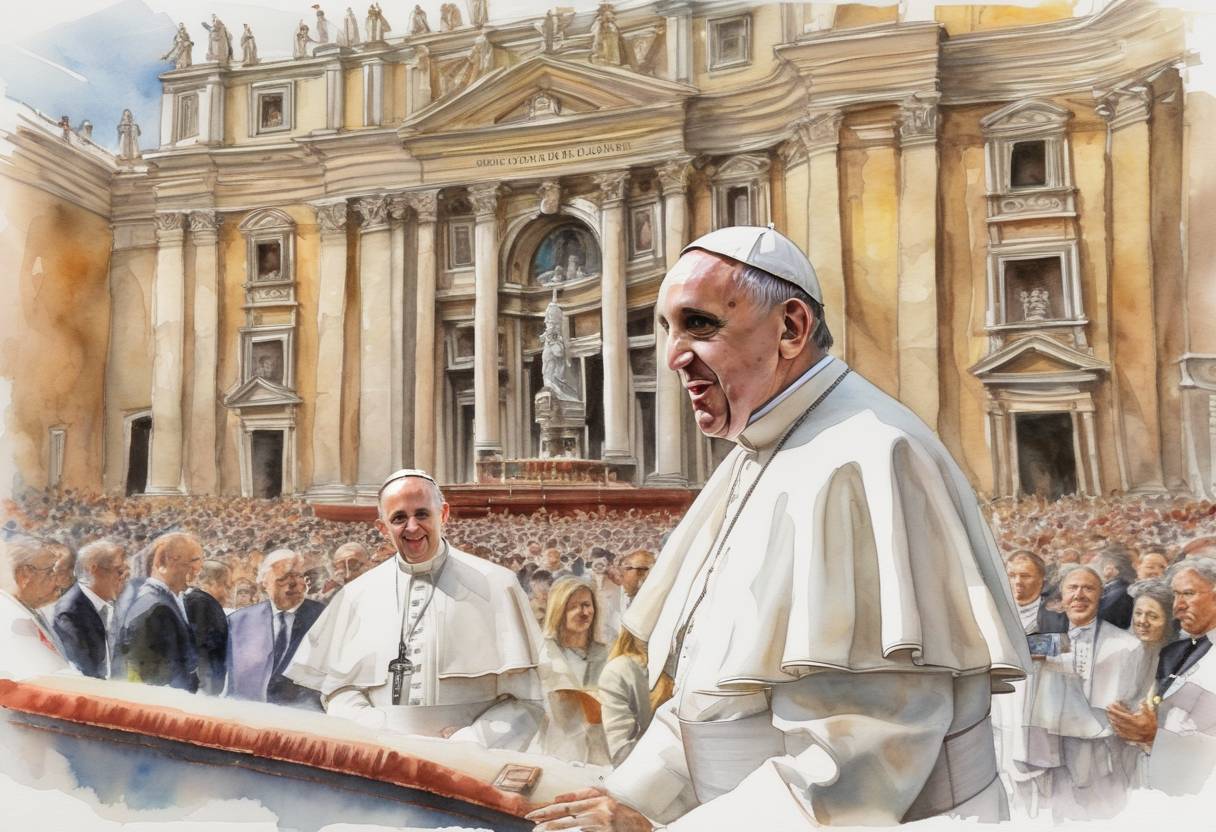
On March 19, 2013, Pope Francis was inaugurated as the 266th pope of the Roman Catholic Church. This significant event marked a historic moment for the Church, as Pope Francis became the first pope from the Americas and the Southern Hemisphere. His election followed the resignation of Pope Benedict XVI, who stepped down due to health reasons, marking the first papal resignation in nearly 600 years.
Election: Pope Francis, born Jorge Mario Bergoglio in Buenos Aires, Argentina, was elected by the College of Cardinals on March 13, 2013, during the papal conclave. He was chosen on the fifth ballot, reflecting a swift consensus among the cardinals.
Significance: His election was groundbreaking as he became the first Jesuit pope, the first pope from the Americas, and the first non-European pope in over a millennium. His selection signaled a shift towards a more global perspective within the Church.
Date and Venue: The inauguration took place on March 19, 2013, at St. Peter’s Basilica in Vatican City. The date coincided with the Feast of St. Joseph, a significant day in the Catholic calendar.
Attendees: The ceremony was attended by numerous world leaders, dignitaries, and representatives from various religious communities, highlighting the global importance of the papacy.
Ceremonial Elements: During the Mass, Pope Francis received the pallium, a woolen stole symbolizing his role as shepherd of the Church, and the Fisherman’s Ring, a symbol of the papal office.
Humility and Service: Pope Francis emphasized themes of humility, service, and care for the poor and marginalized. His choice of the name “Francis” was inspired by St. Francis of Assisi, known for his dedication to poverty and peace.
Focus on Simplicity: From the outset, Pope Francis demonstrated a commitment to simplicity and accessibility, which was evident in his choice of attire and his interactions with the public.
Church Reform: Pope Francis’s papacy has been marked by efforts to reform the Vatican bureaucracy, address issues of clerical abuse, and promote interfaith dialogue.
Global Outreach: His leadership has been characterized by a focus on global issues such as climate change, social justice, and the plight of refugees, reflecting his broader vision for the Church’s role in the modern world.
Pope Francis’s inauguration set the tone for a papacy that seeks to bridge divides and address contemporary challenges, continuing to shape the direction of the Catholic Church in the 21st century.
Source: www.britannica.com