September 30, 2021: U.S. Congress Passes Short-Term Funding Bill
2021 · Washington D.C., United States
U.S. Congress passed a short-term funding bill to prevent a government shutdown, extending funding through December 3, 2021.
January 22, 2018
The United States government shutdown ended after three days, as the Senate voted to reopen the government following a temporary funding bill agreement.
Washington D.C., United States | United States Congress
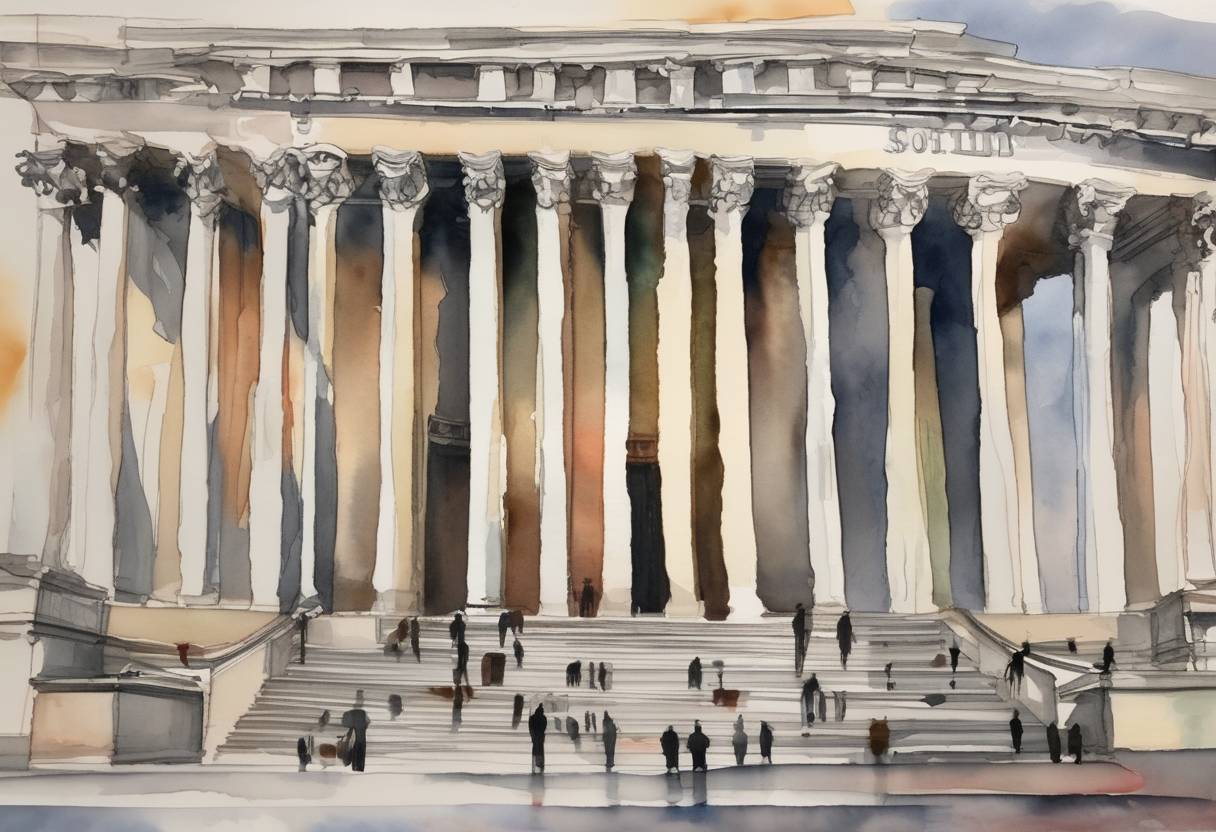
On January 22, 2018, the United States government shutdown, which had begun three days earlier, came to an end. This brief shutdown was resolved when the Senate voted to pass a temporary funding bill, allowing the government to reopen.
The shutdown began at midnight on January 20, 2018, after the Senate failed to pass a continuing resolution (CR) that would have funded the government. The primary point of contention was the Deferred Action for Childhood Arrivals (DACA) program, which protected young immigrants brought to the U.S. as children from deportation. Democrats sought assurances for the protection of DACA recipients, while Republicans focused on securing funding for border security and other priorities.
Budget Negotiations: Leading up to the shutdown, Congress was unable to agree on a long-term budget. Instead, they relied on short-term CRs to keep the government funded.
DACA Debate: The expiration of DACA protections loomed, with Democrats pushing for a legislative solution as part of any funding agreement.
Senate Vote: On January 19, 2018, the Senate failed to pass a CR that had already been approved by the House, leading to the shutdown.
Senate Vote: On January 22, 2018, the Senate voted 81-18 to end the shutdown by passing a temporary funding bill. This CR funded the government through February 8, 2018.
Bipartisan Agreement: The agreement included a commitment from Senate Majority Leader Mitch McConnell to address DACA and other immigration issues in the following weeks.
Political Repercussions: The shutdown highlighted deep partisan divisions, particularly over immigration policy. It also set the stage for further negotiations on a long-term budget and immigration reform.
The 2018 shutdown was part of a series of budgetary and immigration-related standoffs that characterized the political climate of the time. It underscored the challenges of governance in a deeply divided Congress and foreshadowed ongoing debates over immigration policy in the United States.
This event also demonstrated the complexities of balancing short-term funding needs with broader legislative priorities, a recurring theme in U.S. fiscal policy.
Source: www.bbc.com