Snowfall in Miami, Florida - January 19, 1977
1977 · Miami, United States
Snow fell in Miami, Florida, for the only time in recorded history.
February 18, 1979
Snow falls in the Sahara Desert in southern Algeria for the only time in recorded history.
Ghardaïa, Algeria | Meteorological services
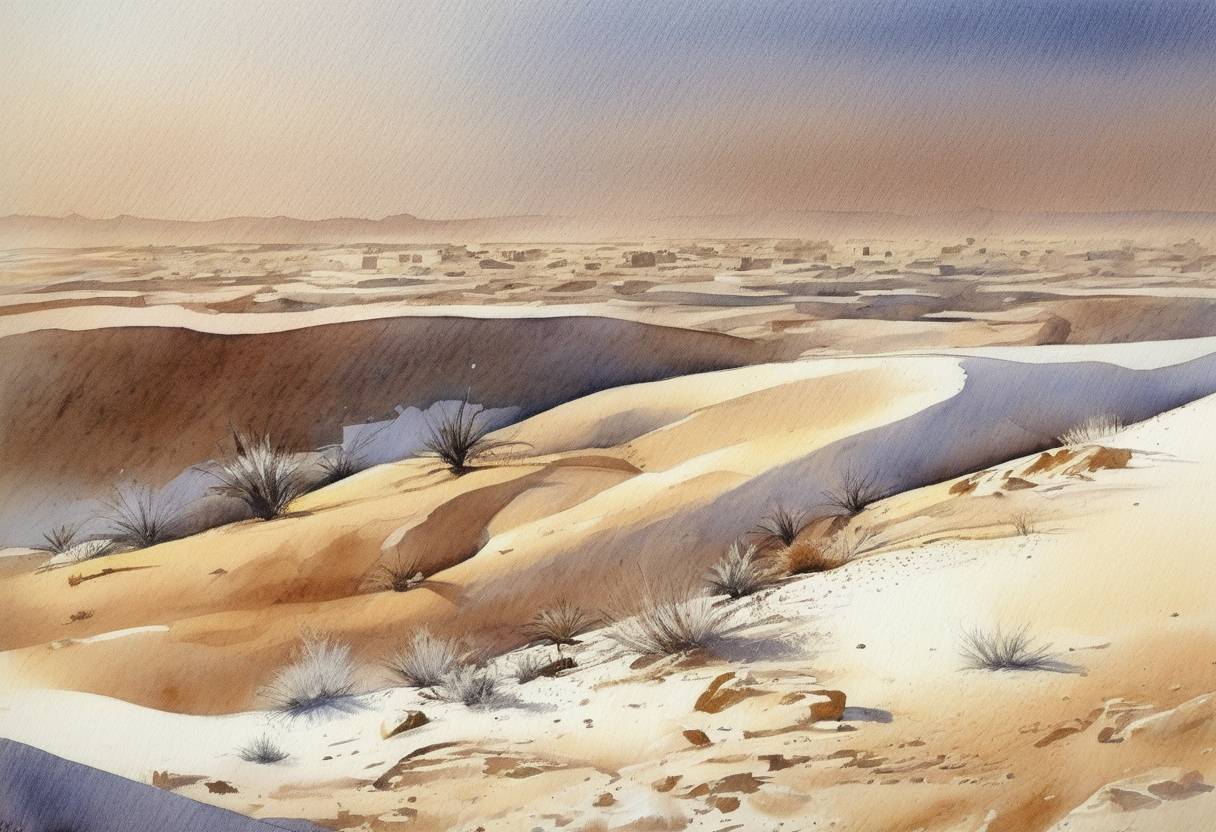
On February 18, 1979, a rare meteorological event occurred when snow fell in the Sahara Desert, specifically in the region of southern Algeria. This extraordinary event marked the only time in recorded history that snow was observed in this part of the Sahara, a vast desert known for its extreme temperatures and arid conditions.
The Sahara Desert is the largest hot desert in the world, covering approximately 9.2 million square kilometers (3.6 million square miles) across North Africa. It is characterized by its harsh climate, with temperatures often soaring above 50°C (122°F) during the day and dropping significantly at night. Precipitation is extremely rare, with some areas receiving less than 25 millimeters (1 inch) of rain annually.
The snowfall on February 18, 1979, was an anomaly caused by a combination of unusual weather patterns. A cold front from Europe moved southward, bringing with it cold air that collided with the warm, moist air over the desert. This interaction resulted in snow falling over the region, particularly around the town of Ain Sefra, often referred to as the “Gateway to the Desert.”
While the snowfall itself did not have long-lasting effects on the environment or the local population, it remains a point of interest for climate scientists studying the impacts of climate variability and change. It also serves as a reminder of the complex and sometimes unpredictable nature of weather systems.
In conclusion, the snowfall in the Sahara Desert on February 18, 1979, stands as a unique historical event, illustrating the dynamic and sometimes surprising nature of Earth’s climate systems.
Source: en.wikipedia.org