Eid al-Adha Ends and Completion of Hajj Pilgrimage on August 15, 2019
2019 · Mecca, Saudi Arabia
Eid al-Adha holiday ends in several countries, marking the completion of the Hajj pilgrimage.
February 1, 2004
A hajj stampede in Mina, Saudi Arabia, resulted in the deaths of 251 pilgrims.
Mina, Saudi Arabia | Saudi Arabian government
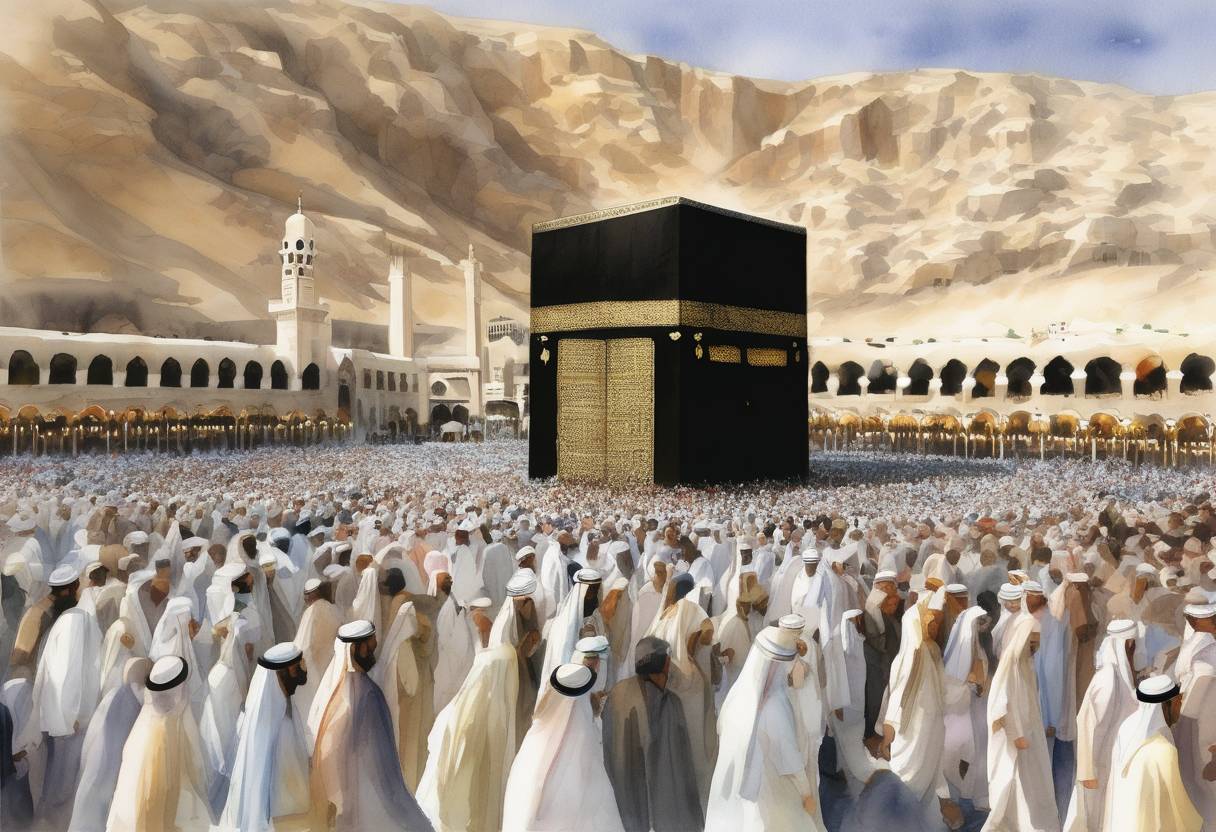
On February 1, 2004, a tragic stampede occurred during the annual Hajj pilgrimage in Mina, Saudi Arabia, resulting in the deaths of 251 pilgrims and injuring hundreds more. This incident is one of several unfortunate events that have marred the Hajj over the years, highlighting the challenges of managing the safety of millions of pilgrims.
The Hajj is an annual Islamic pilgrimage to Mecca, and it is one of the largest religious gatherings in the world. It is a mandatory religious duty for Muslims that must be carried out at least once in their lifetime by all adult Muslims who are physically and financially capable of undertaking the journey. The pilgrimage occurs from the 8th to the 12th of Dhu al-Hijjah, the last month of the Islamic calendar.
Mina, a neighborhood of Mecca, is a significant site during the Hajj. It is where the ritual of the “Stoning of the Devil” takes place at the Jamarat Bridge. This ritual involves pilgrims throwing pebbles at three pillars, symbolizing the rejection of evil.
On the morning of February 1, 2004, during the ritual of the stoning, a massive crowd of pilgrims converged at the Jamarat Bridge. The stampede was triggered by the sheer volume of people attempting to perform the ritual simultaneously. The narrow pathways and the pressure of the crowd led to panic and chaos, resulting in the tragic loss of life.
Immediate Response: Emergency services were deployed to manage the situation, providing medical assistance to the injured and attempting to restore order.
Safety Measures: In response to this and previous incidents, Saudi authorities have implemented several measures to improve crowd control and safety during the Hajj. These include the expansion of the Jamarat Bridge, the introduction of a multi-level structure to facilitate the flow of pilgrims, and the implementation of more stringent crowd management protocols.
Broader Impact: The 2004 stampede underscored the ongoing challenges of ensuring the safety of pilgrims during the Hajj. It prompted international discussions on the need for better infrastructure and planning to accommodate the millions of pilgrims who attend the event annually.
The 2004 stampede is part of a series of tragic events that have occurred during the Hajj over the years, highlighting the complexities of managing such a large-scale religious event. It serves as a reminder of the importance of continuous improvements in safety measures and infrastructure to protect the lives of pilgrims.
The incident also emphasizes the need for international cooperation and dialogue to ensure that the pilgrimage can be conducted safely and peacefully, respecting the spiritual significance of the Hajj for Muslims worldwide.
Source: www.britannica.com