Ivory Coast Gains Independence from France
1960 · Abidjan, Ivory Coast
Ivory Coast gained independence from France, marking a significant moment in the decolonization of Africa.
August 1, 1960
Dahomey (now Benin) gained independence from France.
Porto-Novo, Benin | French Government
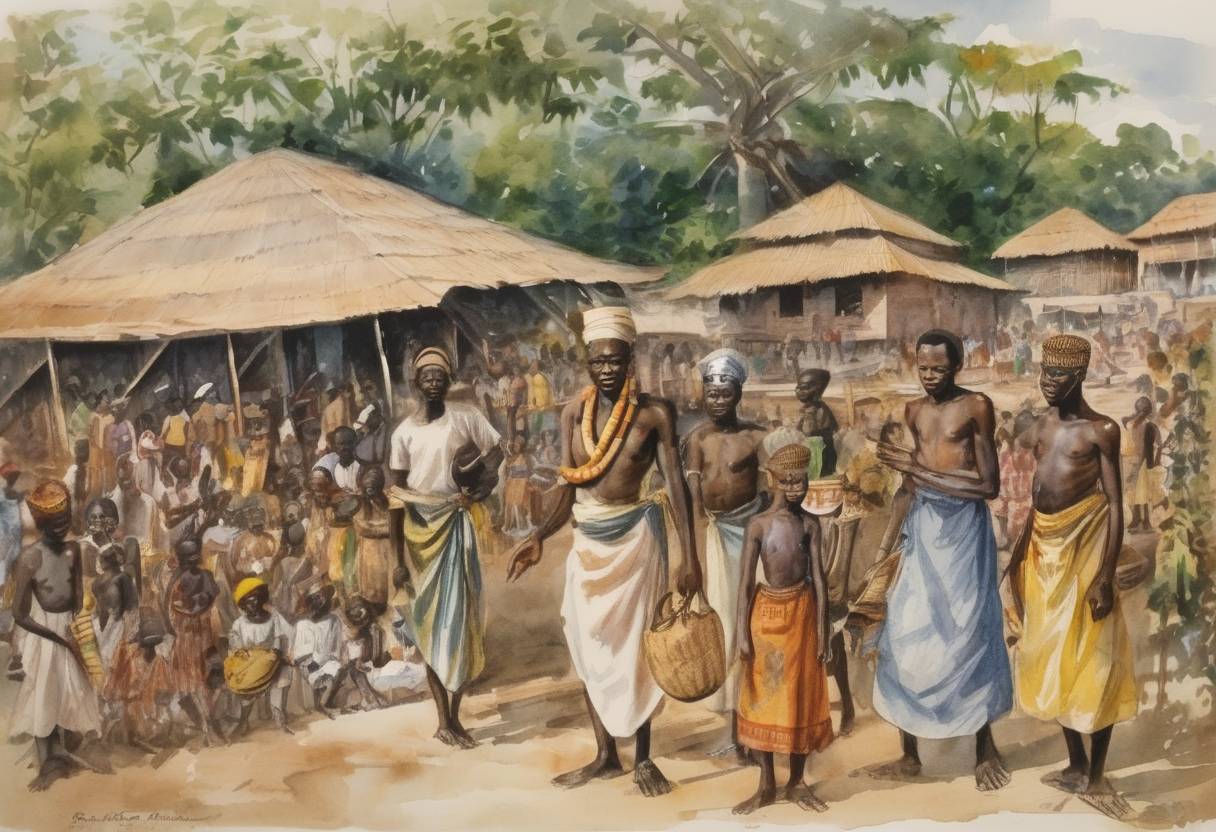
On August 1, 1960, Dahomey, now known as Benin, gained independence from French colonial rule. This significant event marked the end of a colonial era and the beginning of self-governance for the West African nation.
Colonial Background: Dahomey became a French colony in the late 19th century as part of the broader European scramble for Africa. The region was incorporated into French West Africa, a federation of eight French colonial territories.
Path to Independence: The movement towards independence in Dahomey was part of a larger wave of decolonization across Africa following World War II. The war had weakened European powers and fostered a global push for self-determination.
Political Developments: In the 1950s, political parties in Dahomey began to form, advocating for greater autonomy. The French government, under pressure both domestically and internationally, started to grant more political freedoms to its colonies.
1958 Referendum: In a pivotal referendum held in 1958, Dahomey voted to become an autonomous republic within the French Community, a political entity that allowed for greater self-governance while maintaining ties with France.
Transition to Independence: Following the referendum, Dahomey continued to push for full independence. The French government, recognizing the inevitable tide of decolonization, agreed to grant full sovereignty.
Proclamation of Independence: On August 1, 1960, Dahomey officially declared its independence. Hubert Maga became the first President of the newly independent nation.
Political Instability: The early years of independence were marked by political instability. Dahomey experienced a series of coups and changes in government, reflecting the challenges of nation-building in a post-colonial context.
Name Change: In 1975, the country was renamed Benin, after the Bight of Benin, to reflect a broader national identity beyond the historical Kingdom of Dahomey.
Economic and Social Development: Like many newly independent African nations, Benin faced significant challenges in terms of economic development and social cohesion. Efforts to build a stable political system and diversify the economy have been ongoing.
Decolonization in Africa: Dahomey’s independence was part of a larger wave of decolonization across Africa during the 1950s and 1960s. This period saw the emergence of numerous new nations and a reconfiguration of global political dynamics.
Legacy of Colonialism: The legacy of French colonial rule continued to influence Benin’s political, economic, and social structures. The country has worked to address these legacies while forging its path as a sovereign nation.
The independence of Dahomey was a pivotal moment in the history of Benin and a significant chapter in the broader narrative of African decolonization.
Source: en.wikipedia.org