The Moore, Oklahoma Tornado of May 20, 2013
2013 · Moore, United States
A massive tornado strikes Moore, Oklahoma, causing widespread destruction and resulting in 24 fatalities.
May 22, 2011
A devastating EF5 tornado strikes Joplin, Missouri, causing widespread destruction and resulting in 158 fatalities, making it one of the deadliest tornadoes in U.S. history.
Joplin, United States | National Weather Service
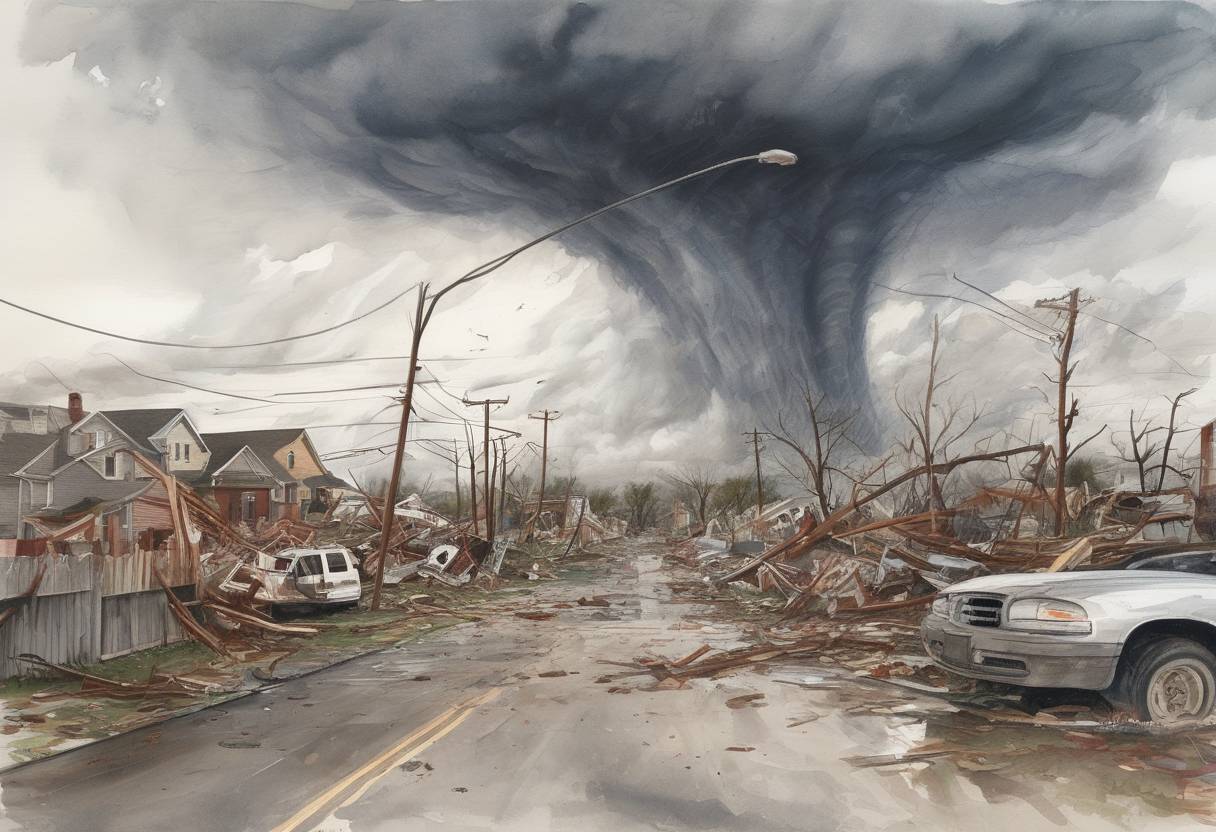
On May 22, 2011, a catastrophic EF5 tornado struck the city of Joplin, Missouri, resulting in widespread devastation and significant loss of life. This tornado is remembered as one of the deadliest in U.S. history, with 158 confirmed fatalities and over 1,000 injuries.
The tornado was part of a larger weather system that produced numerous severe storms across the Midwest. The conditions on that day were ripe for tornado formation, with a combination of warm, moist air from the Gulf of Mexico and a cold front moving in from the west. These atmospheric conditions created a highly unstable environment conducive to severe thunderstorms and tornadoes.
The tornado caused catastrophic damage, particularly in the densely populated areas of Joplin:
The response to the disaster involved local, state, and federal agencies, along with numerous volunteers and non-profit organizations:
The Joplin tornado highlighted the importance of emergency preparedness and the need for improved warning systems. It also spurred discussions on building codes and construction practices to enhance tornado resistance.
The event remains a poignant reminder of the destructive power of nature and the resilience of communities in the face of disaster. The lessons learned from Joplin continue to influence emergency management practices and tornado preparedness strategies across the United States.
Source: www.cnn.com