The Funeral of John F. Kennedy: November 25, 1963
1963 · Washington, D.C., United States
The funeral of John F. Kennedy took place in Washington, D.C., three days after his assassination.
November 25, 1986
The Iran-Contra affair became public as U.S. Attorney General Edwin Meese revealed that profits from secret arms sales to Iran were diverted to fund Contra rebels in Nicaragua.
Washington, D.C., United States | United States government
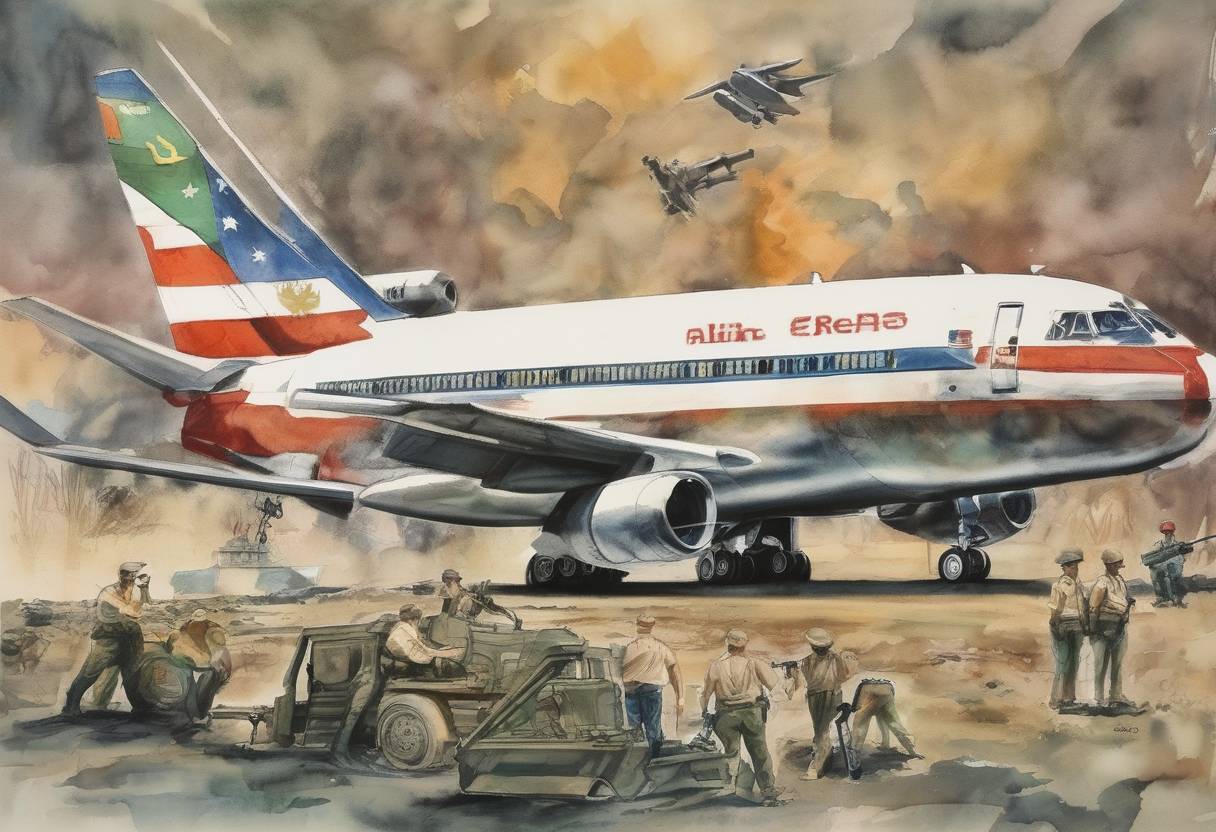
On November 25, 1986, the Iran-Contra Affair, a significant political scandal in the United States, was thrust into the public eye. U.S. Attorney General Edwin Meese held a press conference revealing that profits from clandestine arms sales to Iran had been diverted to support Contra rebels in Nicaragua. This disclosure marked a pivotal moment in a complex web of covert operations that had significant implications for U.S. foreign policy and domestic politics.
The Iran-Contra Affair was rooted in two separate foreign policy challenges faced by the Reagan Administration:
Iran Hostage Crisis: The U.S. was seeking to improve relations with Iran and secure the release of American hostages held by Hezbollah in Lebanon, a group with ties to Iran.
Nicaraguan Contras: The Contras were rebel groups fighting the Sandinista government in Nicaragua, which the Reagan Administration opposed due to its Marxist orientation. However, U.S. Congress had restricted funding to the Contras through the Boland Amendment.
Secret Arms Sales: Beginning in 1985, the U.S. secretly sold arms to Iran, despite an arms embargo, with the hope of securing the release of hostages and fostering better relations with Iranian moderates.
Diversion of Funds: Lieutenant Colonel Oliver North, a National Security Council staff member, orchestrated the diversion of proceeds from these arms sales to fund the Contras, circumventing Congressional restrictions.
On November 25, 1986, Attorney General Edwin Meese announced the discovery of the diversion of funds during a press conference. This revelation came after an internal investigation prompted by a Lebanese magazine’s report on the arms sales, which had already begun to attract media attention.
Political Fallout: The scandal led to multiple investigations, including those by Congress and an independent counsel. It raised serious questions about the extent of executive power and accountability.
Legal Proceedings: Several Reagan Administration officials were indicted, and some were convicted, although many convictions were later vacated on appeal or pardoned by President George H.W. Bush.
Impact on Reagan’s Presidency: The affair damaged President Reagan’s credibility, although he maintained that he was unaware of the diversion of funds. His approval ratings initially suffered but recovered before the end of his presidency.
The Iran-Contra Affair highlighted the complexities and potential pitfalls of covert operations in foreign policy. It underscored the importance of Congressional oversight and transparency in government actions. The scandal remains a significant example of the challenges in balancing national security interests with legal and ethical standards.
Source: en.wikipedia.org