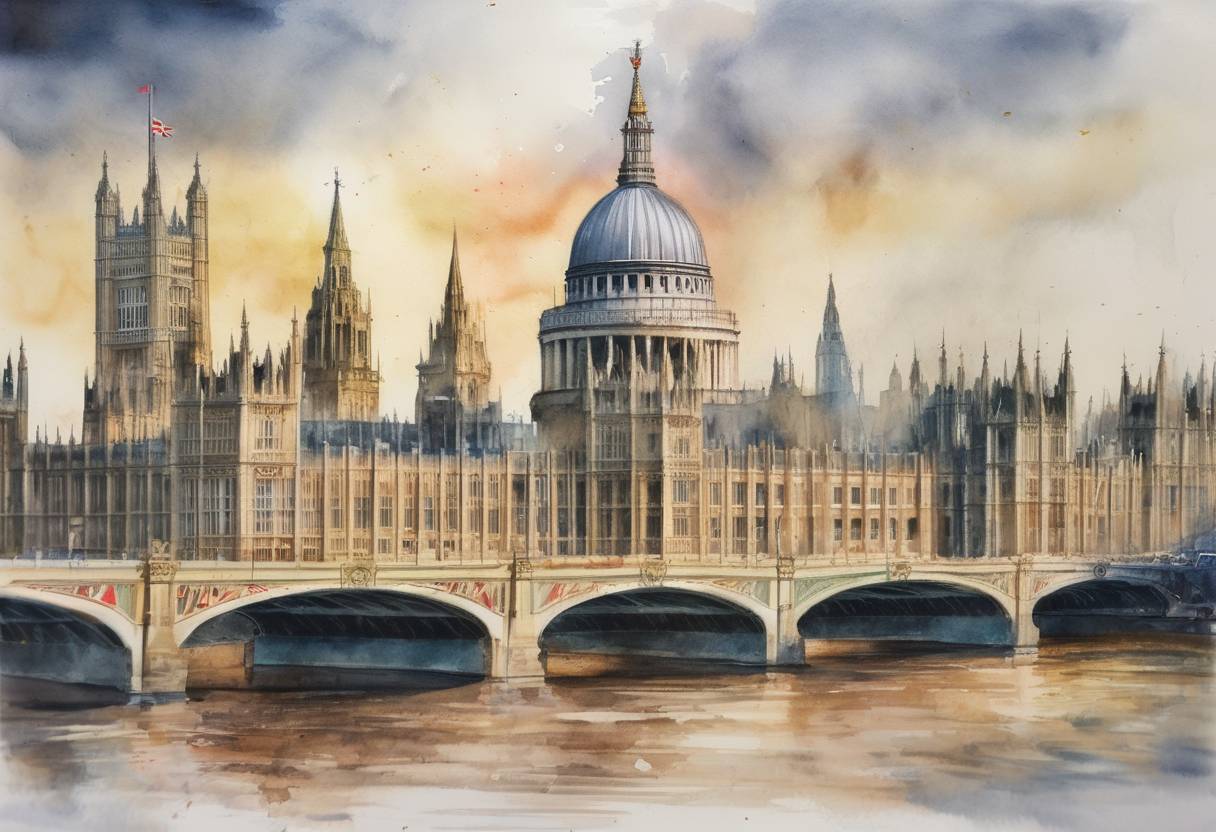
UK Parliament Votes Against Military Intervention in Syria
On August 29, 2013, the United Kingdom’s Parliament held a critical vote regarding potential military intervention in Syria. This decision came amidst the ongoing Syrian Civil War, which had begun in 2011 and was marked by severe humanitarian crises and widespread violence.
Context Leading to the Vote
The immediate catalyst for the vote was the chemical weapons attack on August 21, 2013, in the Ghouta area near Damascus, Syria. Reports indicated that the attack resulted in significant civilian casualties and was attributed to the Syrian government led by President Bashar al-Assad. The use of chemical weapons, which violated international norms and treaties, prompted global outrage and calls for action.
The United States, under President Barack Obama, was considering military strikes against Syrian government targets as a punitive measure and a deterrent against further use of chemical weapons. The UK, a key ally of the US, was contemplating joining this military effort.
The Parliamentary Debate and Vote
Prime Minister David Cameron recalled Parliament from its summer recess to debate the UK’s response. The government proposed a motion that would authorize military action in principle, pending further evidence and a subsequent vote.
The debate in the House of Commons was intense and reflected deep divisions within the UK regarding military intervention. Many MPs expressed concerns about the legality, potential effectiveness, and unintended consequences of military action. Memories of the 2003 Iraq War, which was based on flawed intelligence regarding weapons of mass destruction, loomed large in the discussions.
Ultimately, the motion was defeated by a narrow margin: 285 votes against and 272 in favor. This outcome was significant as it marked the first time in recent history that a British government was denied parliamentary approval for military action.
Aftermath and Broader Significance
The vote had several immediate and long-term implications:
Impact on UK Foreign Policy: The decision not to intervene militarily signaled a more cautious approach to foreign military engagements, reflecting public and political wariness of becoming embroiled in another Middle Eastern conflict.
International Response: The UK’s decision influenced other countries’ stances on intervention. It contributed to the US’s decision to seek Congressional approval for military action, which was ultimately not pursued after a diplomatic solution emerged.
Diplomatic Resolution: Following the vote, diplomatic efforts led to an agreement brokered by the US and Russia for Syria to dismantle its chemical weapons arsenal, which was formalized through a United Nations resolution.
Historical Context: The vote underscored the importance of parliamentary oversight in military decisions and highlighted the complexities of international responses to humanitarian crises and conflicts.
In summary, the UK Parliament’s decision on August 29, 2013, was a pivotal moment in the international response to the Syrian Civil War, reflecting broader debates about military intervention and the role of democratic institutions in authorizing the use of force.