Discovery of Mass Grave in Visegrád, Hungary - July 22, 1990
1990 · Visegrád, Hungary
A mass grave containing the bodies of executed dissidents is discovered in Visegrád, Hungary.
September 15, 2015
Hungary closed its border with Serbia to stop the influx of migrants, leading to clashes between police and migrants and sparking international criticism.
Röszke, Hungary | Hungarian Government
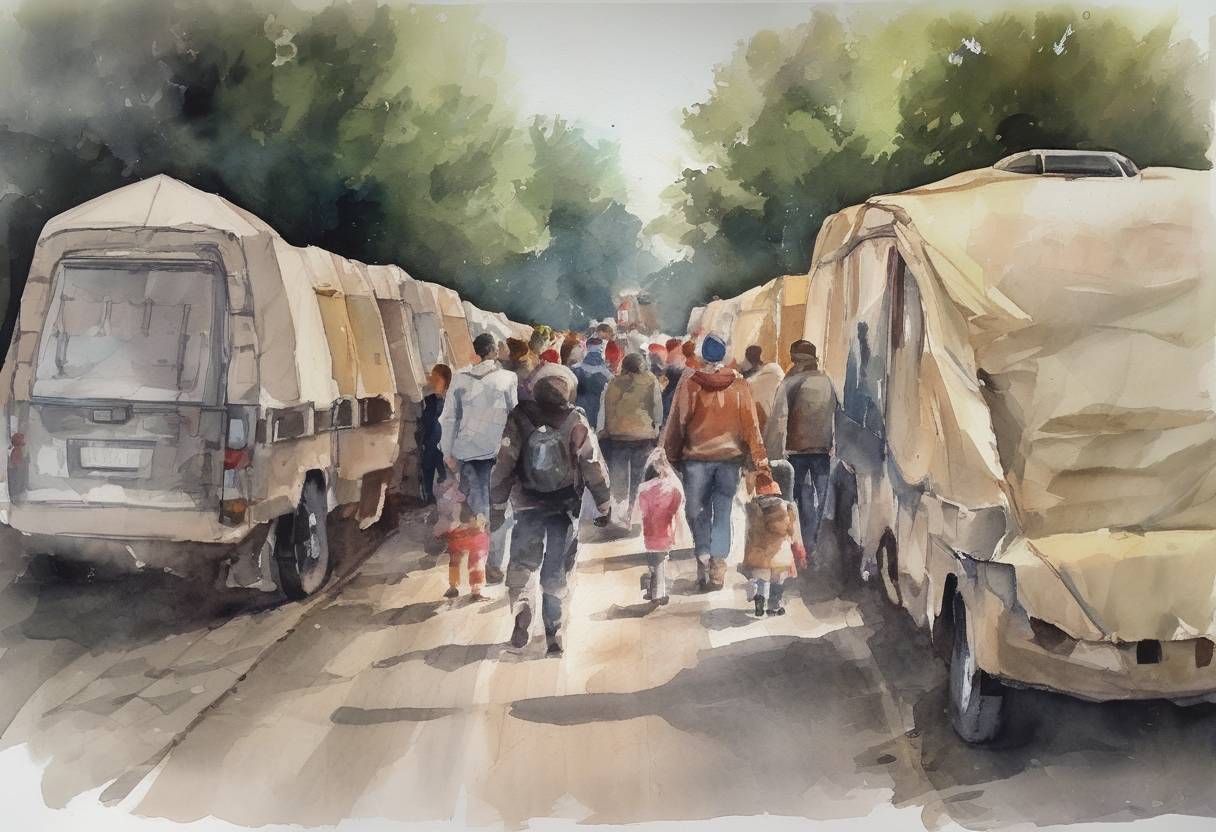
On September 15, 2015, Hungary took a significant and controversial step in response to the European migrant crisis by closing its border with Serbia. This decision was part of a broader strategy to stem the influx of migrants and refugees entering the country, many of whom were fleeing conflict and instability in the Middle East, Africa, and South Asia.
The European migrant crisis reached a critical point in 2015, with hundreds of thousands of people seeking asylum in Europe. Hungary, located on the Schengen Area’s external border, became a major transit country for migrants aiming to reach wealthier European nations such as Germany and Sweden.
In response to the increasing number of arrivals, the Hungarian government, led by Prime Minister Viktor Orbán, adopted a hardline stance on immigration. The government argued that the influx posed security risks and threatened Hungary’s cultural identity.
Border Closure: Hungary officially sealed its border with Serbia, completing a 175-kilometer (109-mile) razor-wire fence. This move effectively blocked one of the main routes used by migrants to enter the European Union.
New Legislation: The Hungarian government implemented new laws that criminalized illegal border crossings and imposed severe penalties on those who attempted to breach the fence.
Clashes at the Border: The closure led to immediate tensions and clashes between Hungarian police and migrants. Many migrants, stranded at the border, protested and attempted to breach the fence, resulting in confrontations with law enforcement, who used tear gas and water cannons to disperse the crowds.
The border closure and the subsequent treatment of migrants drew widespread international criticism. Human rights organizations and various European leaders condemned Hungary’s actions, arguing that they violated international asylum laws and humanitarian principles.
European Union Response: The EU faced significant challenges in formulating a unified response to the crisis. Hungary’s actions highlighted deep divisions within the EU regarding migration policy and burden-sharing among member states.
Humanitarian Concerns: Critics emphasized the dire humanitarian situation faced by migrants, many of whom were left in limbo without adequate shelter, food, or medical care.
Shift in Migration Routes: The closure of the Hungary-Serbia border forced migrants to seek alternative routes through countries like Croatia and Slovenia, further complicating the crisis.
Policy Implications: Hungary’s actions set a precedent for other countries considering similar measures, contributing to a broader debate on national sovereignty versus collective European responsibility in handling migration.
Long-term Impact: The events of September 15, 2015, underscored the urgent need for comprehensive EU-wide migration policies and highlighted the challenges of balancing security concerns with humanitarian obligations.
In summary, Hungary’s decision to close its border with Serbia on September 15, 2015, was a pivotal moment in the European migrant crisis, reflecting the complexities and contentious nature of migration policy in Europe.
Source: www.bbc.com