Deposition of Caliph al-Mustakfi on February 17, 946
946 · Baghdad, Abbasid Caliphate
Caliph al-Mustakfi, the Abbasid caliph, is deposed by emir Tuzun, marking a significant period of political instability in the Abbasid caliphate.
September 14, 0786
Harun al-Rashid becomes the Abbasid caliph upon the death of his brother al-Hadi.
Baghdad, Abbasid Caliphate | Abbasid Caliphate
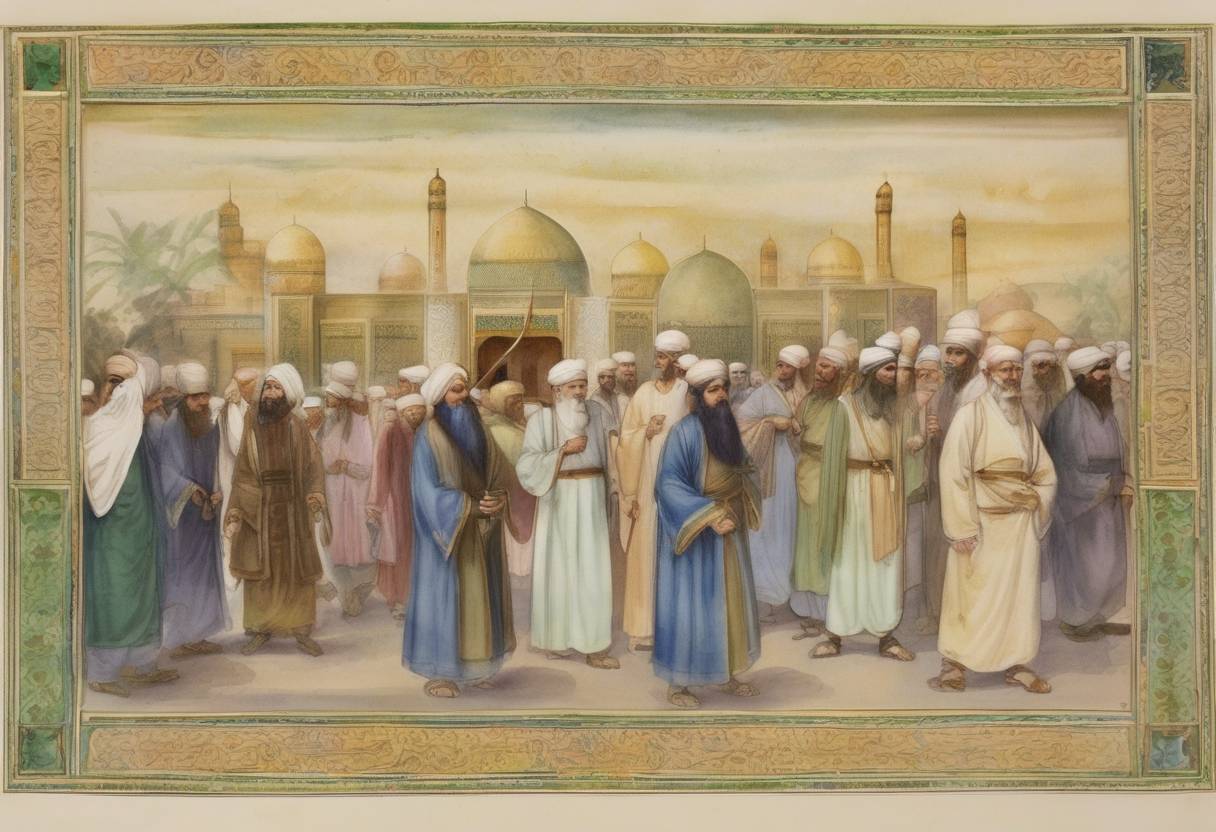
On September 14, 786, Harun al-Rashid ascended to the position of the fifth Abbasid Caliph following the death of his brother, Caliph al-Hadi. This transition marked a significant moment in the history of the Abbasid Caliphate, which was one of the most influential Islamic empires of the medieval period.
The Abbasid Caliphate, established in 750 CE, was a major Islamic dynasty that succeeded the Umayyad Caliphate. It was known for its cultural, scientific, and economic achievements, and its capital, Baghdad, became a center of learning and culture.
Harun al-Rashid’s reign lasted until his death in 809. His rule is often romanticized in literature, most notably in “The Thousand and One Nights,” where he is depicted as a wise and just ruler. His legacy is complex, characterized by both the cultural achievements of his era and the political challenges that followed, including succession disputes that eventually led to the fragmentation of the Abbasid Caliphate.
In summary, Harun al-Rashid’s ascension to the caliphate on September 14, 786, marked the beginning of a period of prosperity and cultural richness for the Abbasid Caliphate, leaving a lasting impact on the Islamic world and beyond.
Source: en.wikipedia.org