Execution of Marie Antoinette: October 16, 1793
1793 · Paris, France
Marie Antoinette, the former Queen of France, is executed by guillotine in Paris during the French Revolution.
February 1, 1793
France declares war on Great Britain and the Netherlands, marking the beginning of the War of the First Coalition.
Paris, France | French Republic
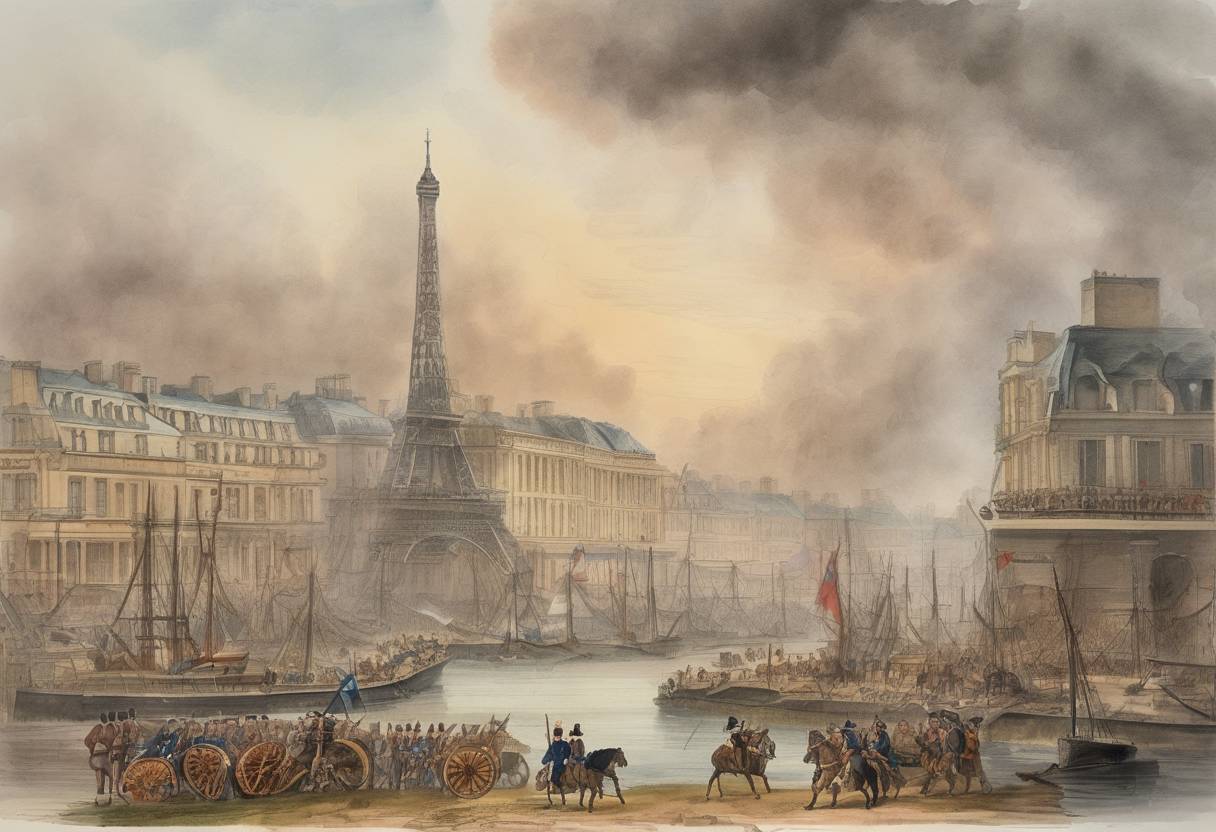
On February 1, 1793, revolutionary France declared war on Great Britain and the Dutch Republic, marking the beginning of the War of the First Coalition. This conflict was a significant phase in the broader series of Revolutionary Wars that followed the French Revolution of 1789.
The French Revolution, which began in 1789, had dramatically altered the political landscape of France and Europe. The execution of King Louis XVI on January 21, 1793, heightened tensions between revolutionary France and the monarchies of Europe. The radical changes in France, including the establishment of a republic and the spread of revolutionary ideals, were perceived as a direct threat to the existing monarchical order.
The War of the First Coalition (1792-1797) was the first major effort by European monarchies to contain the spread of revolutionary France. The coalition comprised several European powers, including Austria, Prussia, Great Britain, Spain, and the Dutch Republic, among others.
The War of the First Coalition was marked by fluctuating fortunes for both sides. France, despite initial setbacks, managed to repel invasions and even expand its territories. The war demonstrated the resilience and military innovation of revolutionary France, including the use of mass conscription.
The declaration of war on February 1, 1793, was a pivotal moment in European history, marking the beginning of a prolonged period of conflict that reshaped the continent. The War of the First Coalition was just the first of several coalitions that sought to challenge the revolutionary tide emanating from France.
Source: en.wikipedia.org