The Premiere of "King Kong" on March 2, 1933
1933 · New York City, United States
The film 'King Kong' premiered at Radio City Music Hall in New York City, becoming a significant cultural and cinematic event.
November 5, 1935
Parker Brothers launched the board game Monopoly, which became one of the world's most popular board games.
Salem, United States | Parker Brothers
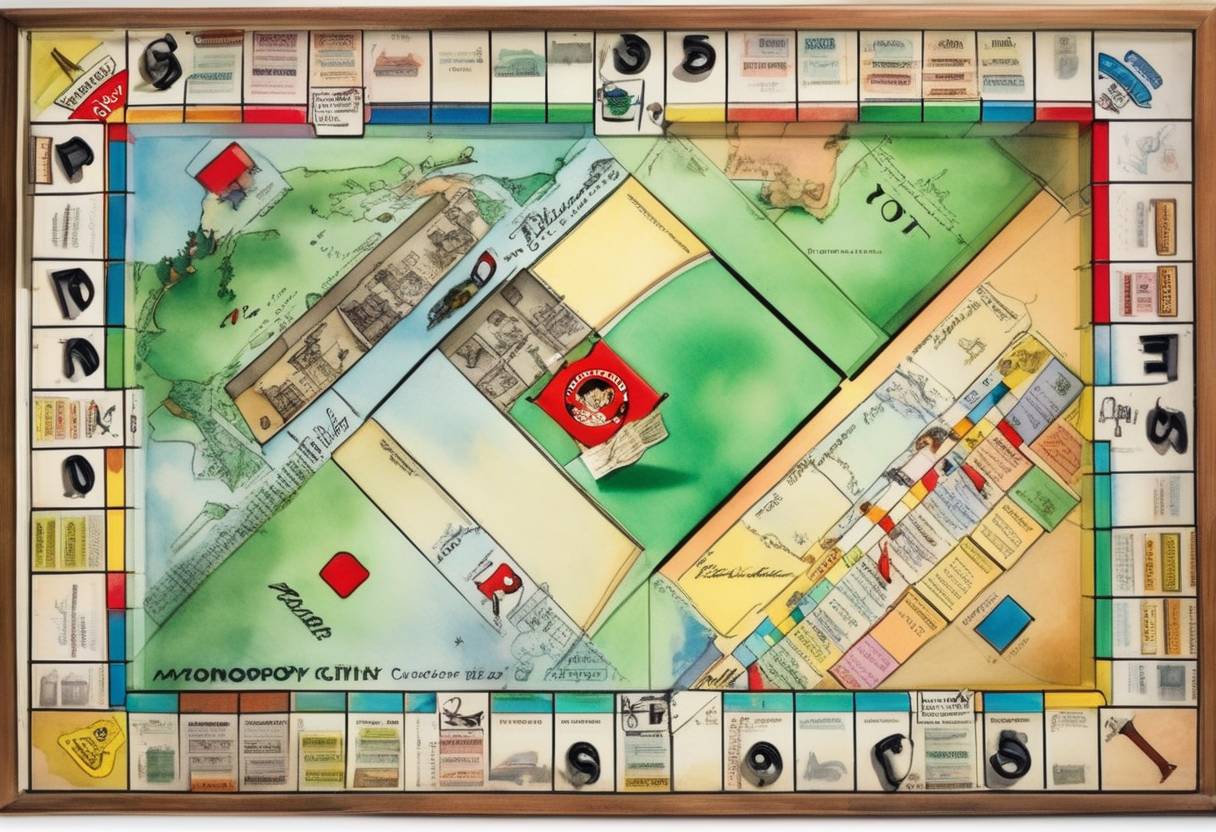
On November 5, 1935, Parker Brothers, a prominent American toy and game manufacturer, officially launched the board game Monopoly. This event marked the beginning of what would become one of the most iconic and enduring board games in history.
Monopoly’s origins trace back to the early 20th century. The game was initially designed by Elizabeth Magie in 1903 as “The Landlord’s Game,” intended to illustrate the economic consequences of land monopolism and the use of a single tax on land value. Over the years, the game evolved through various iterations and homemade versions, particularly in the northeastern United States.
In the early 1930s, Charles Darrow, an unemployed salesman from Pennsylvania, encountered a version of the game and began selling handmade copies. Recognizing its potential, Darrow approached Parker Brothers with the game. Despite initial rejections due to design flaws, Parker Brothers eventually acquired the rights after Darrow’s version gained popularity.
On November 5, 1935, Parker Brothers released Monopoly to the public. The game quickly became a commercial success, resonating with audiences during the Great Depression by offering an escape through the fantasy of wealth accumulation and property ownership.
Monopoly’s gameplay involves players navigating a board, buying, trading, and developing properties while collecting rent from opponents. The objective is to drive opponents into bankruptcy, leaving one player as the ultimate monopolist.
Monopoly’s impact on popular culture is profound. It has been translated into numerous languages and adapted into various themed editions, reflecting different cities, movies, and cultural phenomena. The game’s terminology and concepts, such as “Monopoly money” and “Get Out of Jail Free card,” have entered common parlance.
Monopoly also sparked discussions on economic principles and has been used as an educational tool to teach financial literacy. Its enduring popularity is evidenced by its presence in households worldwide and its influence on the board game industry.
The launch of Monopoly by Parker Brothers on November 5, 1935, marked the beginning of a global phenomenon. Its blend of strategy, chance, and economic simulation has captivated generations, securing its place as a staple in the world of board games.
Source: en.wikipedia.org