Establishment of NASA: July 29, 1958
1958 · Washington, D.C., United States
The United States Congress passed legislation establishing the National Aeronautics and Space Administration (NASA).
October 7, 1958
NASA was formally established as the United States' space agency, succeeding the National Advisory Committee for Aeronautics (NACA).
Washington, D.C., United States | NASA
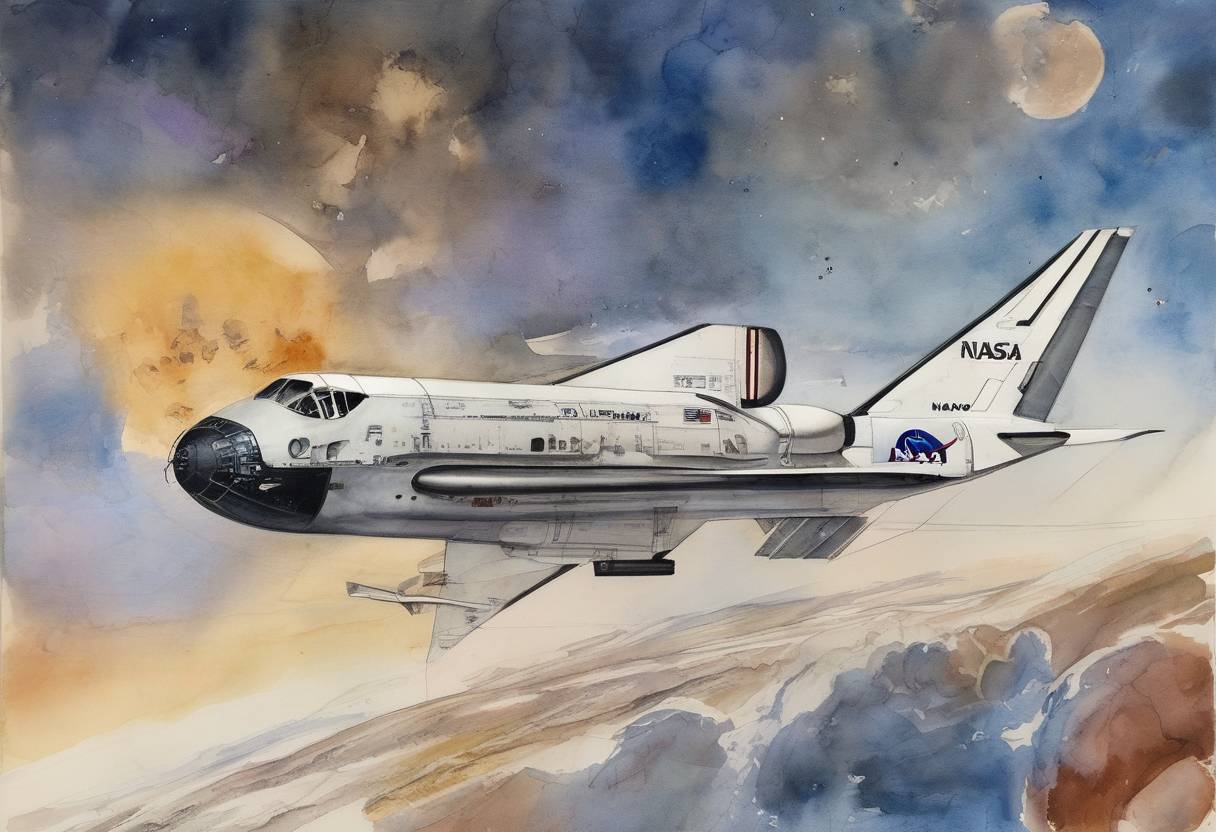
On October 7, 1958, the National Aeronautics and Space Administration (NASA) was formally established as the United States’ space agency, succeeding the National Advisory Committee for Aeronautics (NACA). This pivotal moment marked the beginning of a new era in American aeronautics and space exploration.
The creation of NASA was largely a response to the geopolitical tensions of the Cold War, particularly the space race between the United States and the Soviet Union. The launch of the Soviet satellite Sputnik 1 on October 4, 1957, had a profound impact on the United States, sparking fears of Soviet dominance in space and prompting a reevaluation of American scientific and technological capabilities.
Before NASA, the National Advisory Committee for Aeronautics (NACA) was the primary body responsible for aeronautical research in the United States. Established in 1915, NACA played a crucial role in advancing aviation technology, but by the late 1950s, it became clear that a more robust organization was needed to address the challenges of space exploration.
In response to the urgency of the space race, President Dwight D. Eisenhower proposed the establishment of a civilian space agency. On July 29, 1958, he signed the National Aeronautics and Space Act, which officially created NASA. The agency began operations on October 1, 1958, absorbing NACA’s resources, personnel, and facilities.
NASA’s mission was to conduct civilian space exploration, scientific discovery, and aeronautics research. Its establishment aimed to ensure that the United States would not only catch up to but surpass Soviet achievements in space.
Project Mercury: NASA’s first major program, Project Mercury, aimed to send a human into space and return them safely. This program laid the groundwork for future manned space missions.
Apollo Program: Perhaps NASA’s most famous achievement, the Apollo program, culminated in the historic Apollo 11 mission, which landed the first humans on the Moon on July 20, 1969.
Technological Advancements: NASA’s research and development have led to numerous technological innovations, including advancements in telecommunications, materials science, and computer technology.
The establishment of NASA was a significant milestone in the history of space exploration. It not only symbolized the United States’ commitment to exploring the final frontier but also played a crucial role in fostering international cooperation and scientific advancement. NASA’s achievements have inspired generations and continue to influence global space exploration efforts.
In conclusion, the formal establishment of NASA on October 7, 1958, marked the beginning of a transformative period in space exploration, positioning the United States as a leader in the quest to explore beyond our planet.
Source: en.wikipedia.org