Quebec City Mosque Shooting - January 29, 2017
2017 · Quebec City, Canada
A shooting at a mosque in Quebec City, Canada, results in the deaths of six people and injuries to nineteen others. The attack is widely condemned as an act of terrorism.
October 22, 2014
A gunman attacked the Canadian Parliament in Ottawa, killing a soldier at the National War Memorial before being shot by security forces inside the Parliament building.
Ottawa, Canada | Canadian Parliament
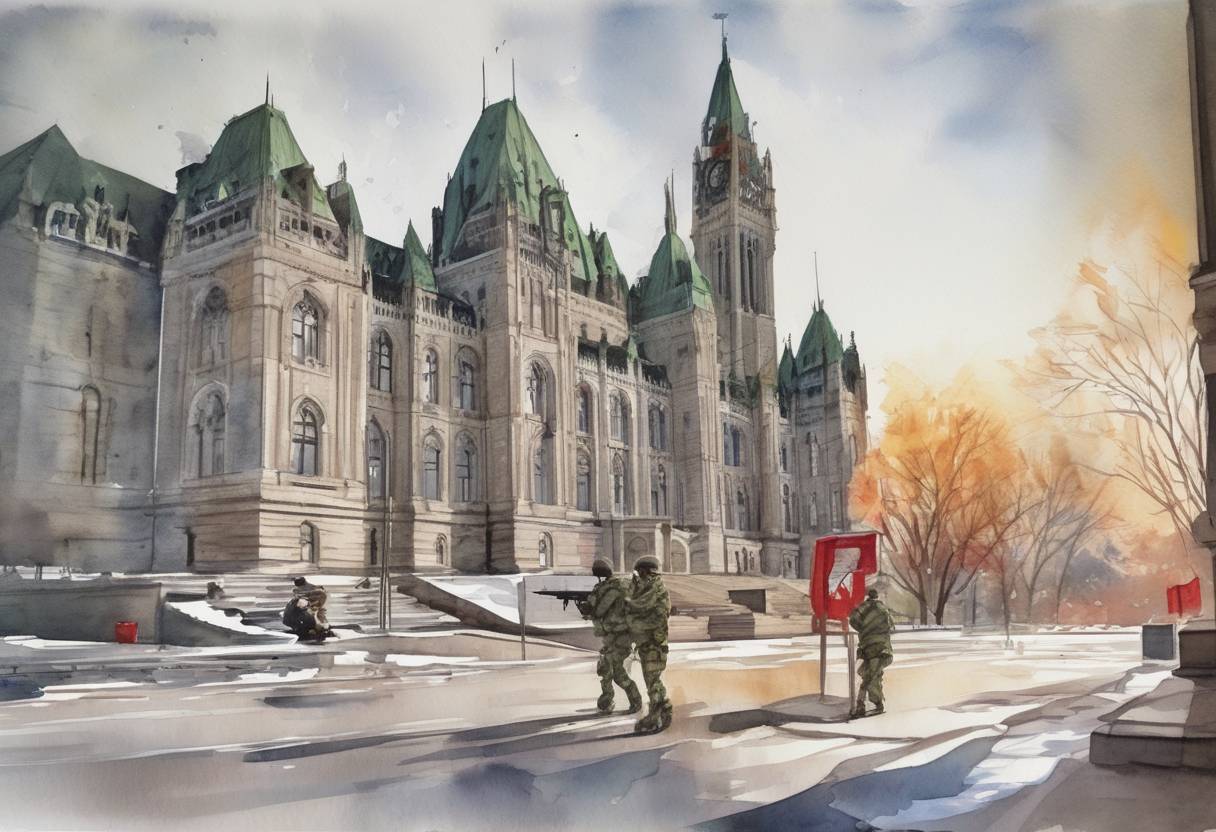
On October 22, 2014, a tragic and alarming event unfolded in Ottawa, Canada, when a gunman launched an attack that shook the nation and drew international attention. This incident involved a series of violent acts that began at the National War Memorial and culminated inside the Canadian Parliament building.
In the years leading up to the attack, Canada, like many other countries, was grappling with the threat of homegrown terrorism and radicalization. The global rise of extremist groups had heightened security concerns, and Canada was not immune to these challenges. The attacker, Michael Zehaf-Bibeau, was a Canadian citizen with a history of criminal activity and mental health issues. He had expressed radical views and was reportedly frustrated with his inability to obtain a passport to travel abroad.
The 2014 Ottawa shooting highlighted the vulnerabilities even in countries perceived as safe and peaceful. It underscored the challenges of addressing radicalization and the importance of preparedness against unexpected threats. The event also reinforced the role of security personnel in protecting democratic institutions and the need for vigilance in safeguarding public spaces.
In conclusion, the Ottawa shooting was a pivotal moment in Canadian history, prompting reflection on national security, the impact of radicalization, and the resilience of democratic societies in the face of violence.
Source: www.cbc.ca