2014 · Moscow, Russia
A metro train derails in Moscow, Russia, killing 23 people and injuring more than 160.
October 25, 1995
A commuter train collision occurred at the Aioi Station in Hyogo Prefecture, Japan, resulting in 42 deaths and over 600 injuries. It was one of the deadliest train accidents in Japan's history.
Aioi, Japan | Japan Railways
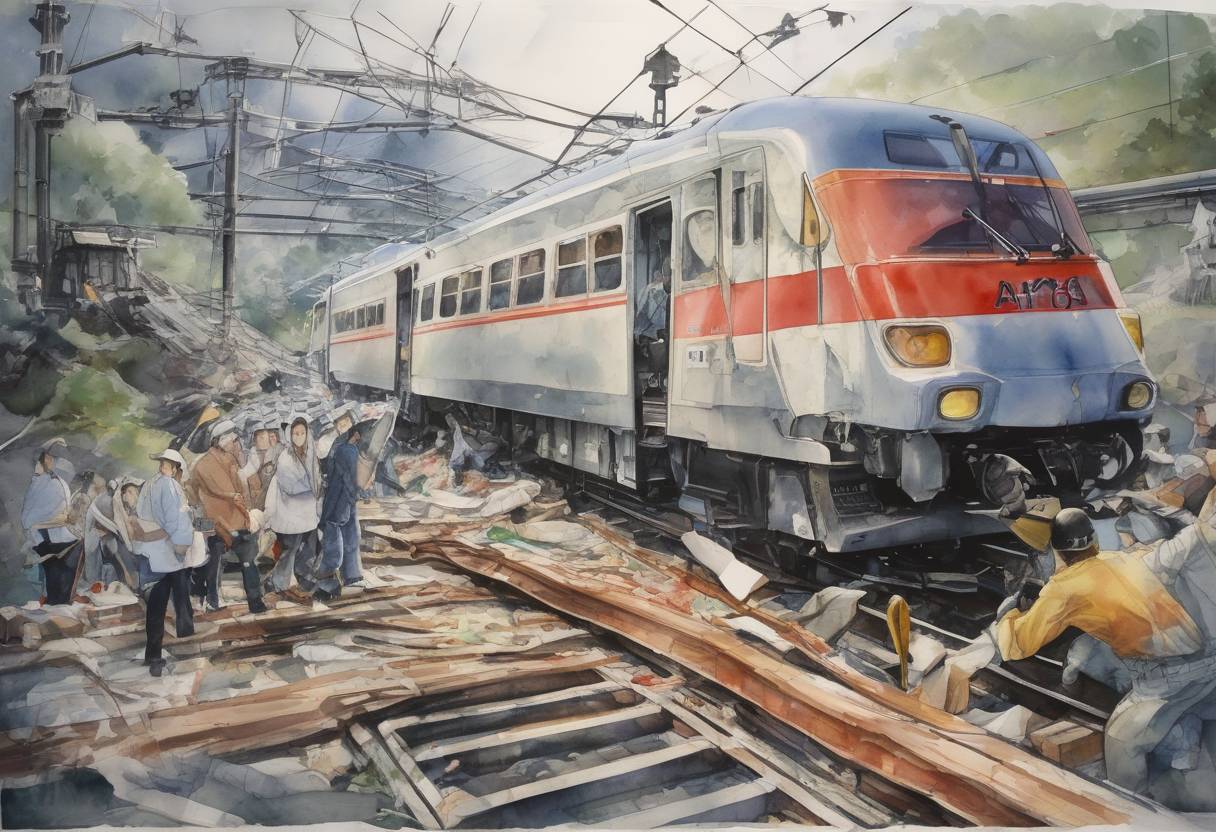
On October 25, 1995, a catastrophic train collision occurred at Aioi Station in Hyogo Prefecture, Japan. This tragic event stands as one of the deadliest train accidents in Japan’s history, resulting in 42 fatalities and over 600 injuries.
The accident took place on the Sanyo Main Line, a crucial rail corridor operated by West Japan Railway Company (JR West). This line is a vital part of Japan’s extensive rail network, serving thousands of commuters daily. The collision involved two commuter trains during the morning rush hour, a time when trains are typically crowded with passengers heading to work or school.
The accident occurred when a westbound commuter train collided with an eastbound train that was stationary at Aioi Station. The impact was devastating, causing several carriages to derail and leading to significant structural damage. The force of the collision was so severe that it resulted in the immediate deaths of many passengers and left hundreds more injured, some critically.
Emergency services responded swiftly to the scene, with rescue operations involving firefighters, police, and medical personnel. The scale of the disaster required a coordinated effort to extricate passengers from the wreckage and provide urgent medical care to the injured. Hospitals in the surrounding area were quickly overwhelmed with casualties.
In the wake of the accident, an extensive investigation was launched to determine the cause of the collision. The inquiry focused on potential factors such as signal failures, human error, and mechanical issues. The findings highlighted the need for improvements in safety protocols and infrastructure to prevent future accidents.
The disaster prompted JR West and other rail operators in Japan to re-evaluate their safety measures. This led to the implementation of more stringent safety standards, including enhanced signal systems and better training for railway staff.
The Aioi Station train collision underscored the importance of rail safety in a country where trains are a primary mode of transportation. It served as a catalyst for significant reforms in railway operations across Japan, aiming to ensure the safety and reliability of the rail network.
The tragic events of October 25, 1995, remain a somber reminder of the potential dangers associated with rail travel. The loss of life and the injuries sustained had a profound impact on the victims’ families and the broader community. The lessons learned from this disaster continue to influence rail safety practices in Japan and around the world.
Source: en.wikipedia.org