Hong Kong Protests on September 29, 2019
2019 · Hong Kong, China
A mass protest in Hong Kong saw tens of thousands of demonstrators defy a police ban, continuing months of pro-democracy protests.
September 28, 2014
Pro-democracy protests, known as the Umbrella Movement, began in Hong Kong. Demonstrators demanded more transparent elections and greater autonomy from China, leading to weeks of occupation in key areas of the city.
Hong Kong, China | Pro-democracy activists
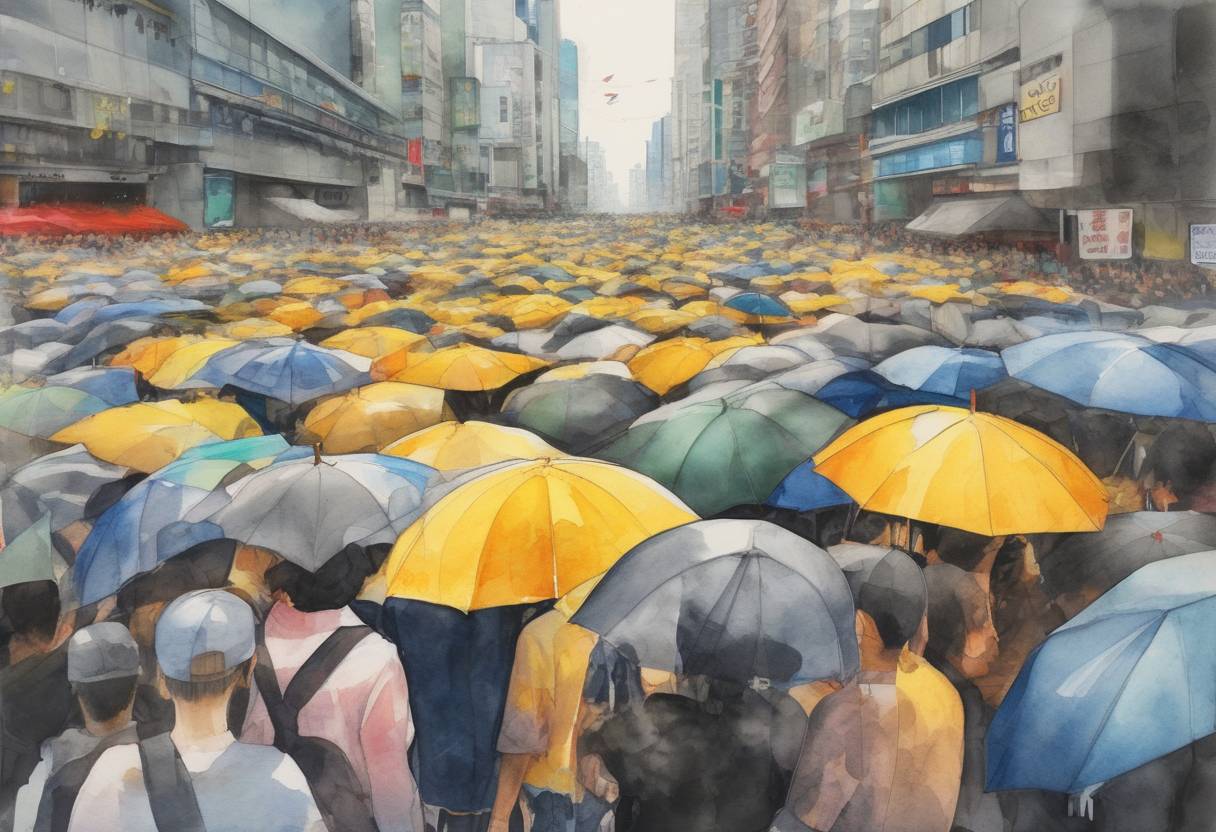
The Umbrella Movement, which began on September 28, 2014, was a significant pro-democracy protest in Hong Kong. The movement emerged from longstanding tensions between Hong Kong’s desire for greater democratic freedoms and the Chinese government’s control over the region. The catalyst for the protests was the decision by China’s National People’s Congress Standing Committee (NPCSC) on August 31, 2014, which outlined a framework for the 2017 Chief Executive election. This framework allowed for universal suffrage but required candidates to be vetted by a pro-Beijing committee, which many Hongkongers viewed as a restriction on true democratic choice.
September 28, 2014: The protests began as a student-led movement, with thousands of demonstrators gathering in key areas of Hong Kong, including Admiralty, Causeway Bay, and Mong Kok. The use of umbrellas by protesters to shield themselves from pepper spray and tear gas deployed by police gave the movement its iconic name.
Occupation and Civil Disobedience: The protests quickly evolved into a larger civil disobedience campaign, with demonstrators occupying major thoroughfares and setting up camps. The movement was characterized by its peaceful nature, despite occasional clashes with police.
Role of Social Media: Social media played a crucial role in organizing and sustaining the protests, with platforms like Facebook and Twitter being used to coordinate activities and spread information.
The primary demands of the Umbrella Movement included:
Duration and End: The protests lasted for 79 days, ending in December 2014 when police cleared the remaining protest sites. Despite the peaceful nature of the protests, the movement did not achieve its immediate goals.
Impact on Hong Kong Politics: The Umbrella Movement had a lasting impact on Hong Kong’s political landscape, inspiring a new generation of activists and leading to the emergence of localist and pro-democracy political groups.
Global Attention: The protests drew international attention to the issue of Hong Kong’s autonomy and the broader struggle for democratic rights in the region.
Legacy: The movement set the stage for future protests, including the large-scale demonstrations in 2019 against a proposed extradition bill, which further highlighted the tensions between Hong Kong’s aspirations for democracy and Beijing’s tightening grip.
The Umbrella Movement remains a pivotal moment in Hong Kong’s history, symbolizing the city’s ongoing struggle for democratic freedoms and autonomy within the framework of Chinese sovereignty.
Source: www.bbc.com