John II Becomes King of France
1350 · Paris, France
John II became King of France following the death of his father, Philip VI. Known as John the Good, he faced major challenges including the continued conflict of the Hundred Years' War.
August 22, 1350
Philip VI of France died, marking the end of his reign as the first King of France from the House of Valois. His rule was marked by the beginning of the Hundred Years' War, which began in 1337. Philip VI was succeeded by his son, John II of France.
Paris, France | Kingdom of France
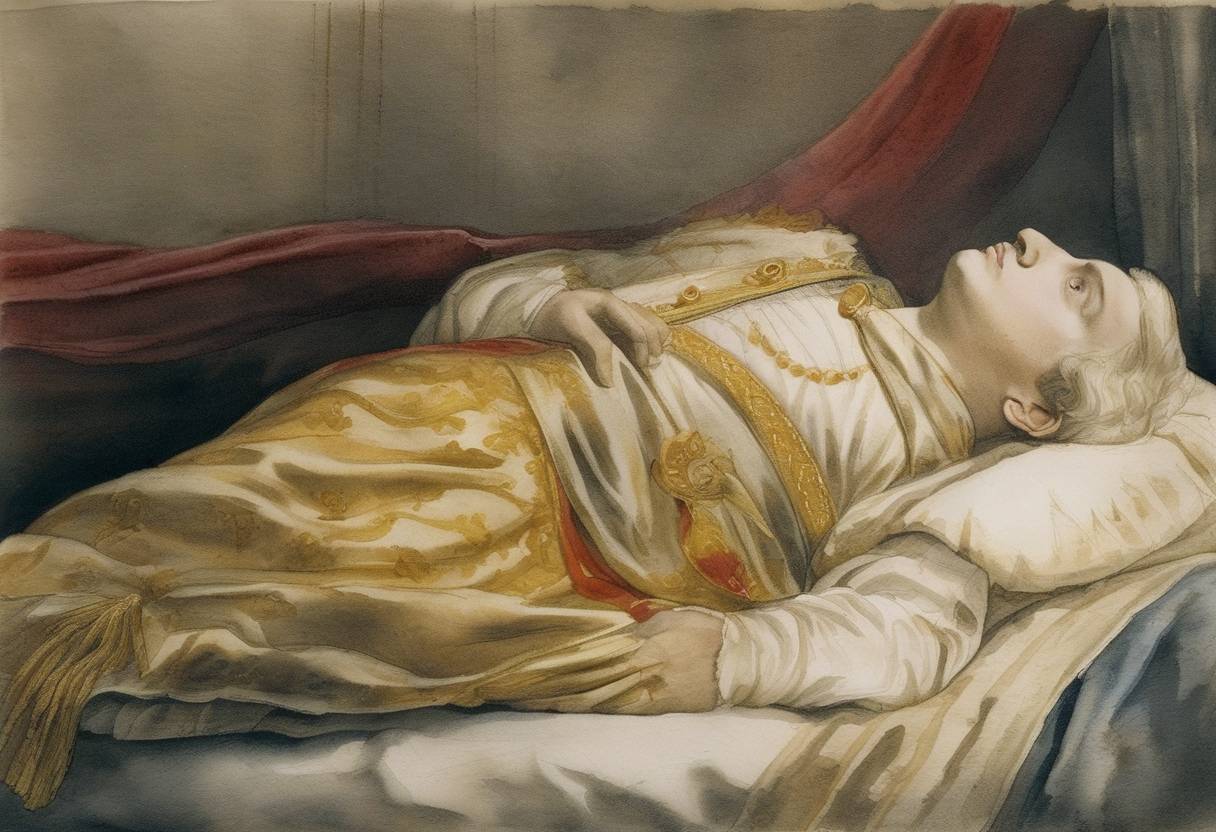
On August 22, 1350, Philip VI of France, the first king from the House of Valois, passed away, concluding his reign and marking a pivotal period in French history. Born in 1293, Philip became king in 1328 after the death of Charles IV, his cousin, due to the lack of direct heirs in the previous Capetian line. His accession to the throne instigated the dynastic struggle that became the backdrop for the Hundred Years’ War.
Philip VI’s rule began amid controversies over the legitimate succession to the French crown. The English King, Edward III, contested Philip’s claim, leveraging his own maternal lineage to the French throne. This dispute was one of the catalysts for the protracted conflict known as the Hundred Years’ War, which commenced in 1337 and dominated European politics for over a century.
The early years of the war under Philip’s reign were marked by several setbacks for France, including notable defeats at battles such as Crécy in 1346. These military struggles, compounded by economic difficulties and the bubonic plague, significantly strained the French realm.
Philip VI was succeeded by his son, John II, known as John the Good. John’s ascension did little to quell the ongoing conflict or stabilize France’s internal challenges. The groundwork laid during Philip’s reign influenced both the continuation of the war and the eventual evolution of French royal power.
The significance of Philip VI’s rule lies not only in the initiation of long-lasting conflict with England but also in the establishment of the Valois line, which would rule France and navigate the complexities of medieval European politics for generations. His reign represents a transformative period where the medieval European power structures began transitioning, setting the stage for the modern era.
Philip VI’s death underscored the fragility and tumultuous nature of 14th-century European monarchies, leaving a legacy complex in its contributions to both domestic and international historical trajectories.
Source: en.wikipedia.org