2019 · Santiago, Chile
Hundreds of thousands of protesters took to the streets of Santiago, Chile, for one of the largest demonstrations in the country’s history, demanding reforms in health, education, and pensions.
November 22, 2011
Sebastián Piñera's Chilean government implemented education reform plans amidst widespread student protests demanding comprehensive education system changes.
Santiago, Chile | Chilean Government
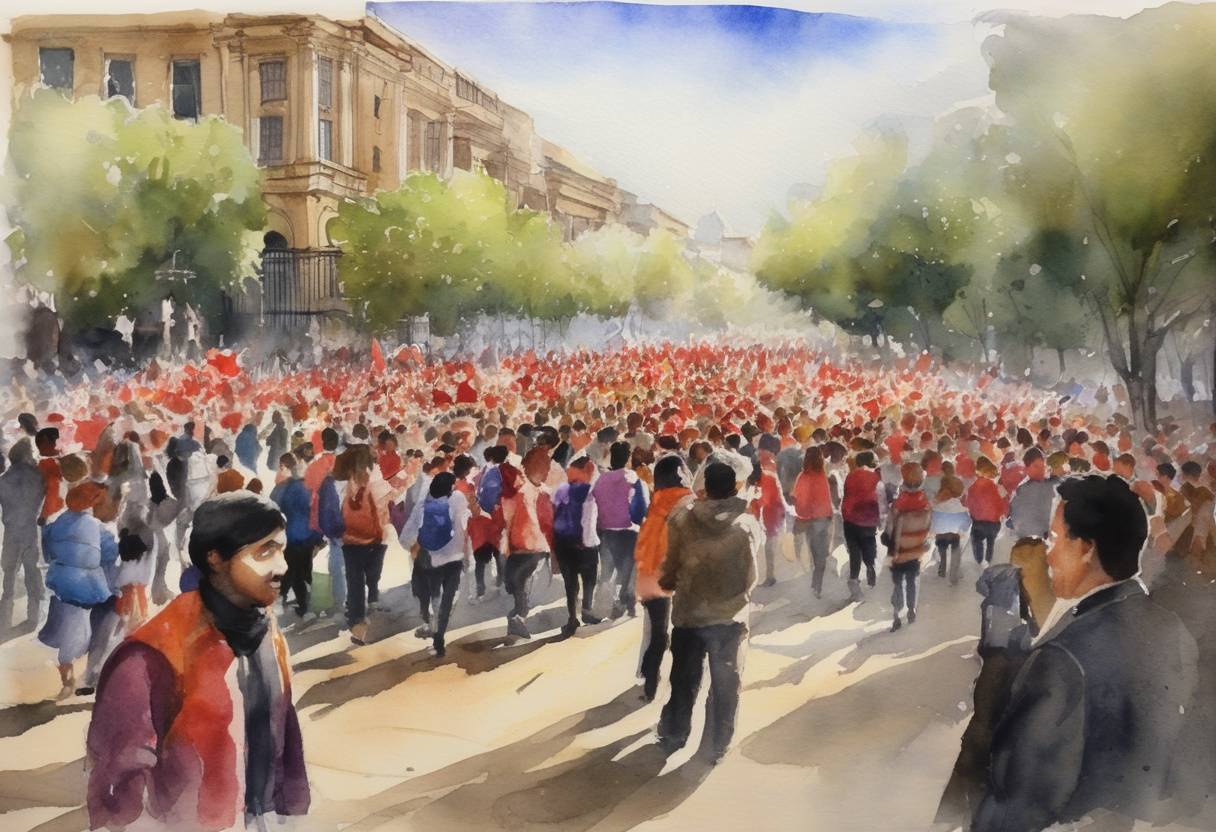
On November 22, 2011, a pivotal moment in Chile’s political landscape unfolded as President Sebastián Piñera’s government sought to address the ongoing student protests with proposed education reforms. The protests, which had been a significant force since May of that year, were organized primarily by secondary school and university students demanding major changes to the Chilean education system. These protests highlighted issues such as student debt, exorbitant fees, and the privatization of education, which students argued deepened inequality across the nation.
Historical Background: Chile’s education system had become one of the most privatized in the world following educational reforms initiated during Augusto Pinochet’s military regime in the 1980s. These policies largely decentralized education, which led to significant disparities between public and private institutions.
Outbreak of Protests: The student movement gained momentum in 2011, fueled by broader dissatisfaction with the cost of and access to quality education. Students demanded reforms including free public university education, a central role for the government in education, and the end of profit-making in educational institutions.
On November 22, 2011, President Piñera’s administration attempted to placate the protesting students by unveiling a package of education reforms, which included:
Increased Funding: The government announced plans to inject additional funds into the education sector, aiming to increase scholarships for poorer students and to reduce interest rates on student loans.
Structural Changes: There were proposals to create a new regulatory body for overseeing educational quality and handling tuition fee transparency.
Dialogue Initiatives: The Piñera government emphasized the importance of dialogue and negotiation with student leaders to address ongoing grievances and work towards sustainable education reforms.
Mixed Reactions: The proposed reforms were met with skepticism and criticism from student groups, who argued that the measures fell short of their demands for comprehensive and free education for all. They rejected incremental changes in favor of more radical transformations in policy.
National Implications: This day marked a critical junction in the Chilean struggle for educational reform, setting the stage for continued negotiations and demonstrations. It reflected the growing citizen movement calling for social changes beyond education, touching on economic inequality and governance.
Long-Term Effects: Although immediate resolutions were not reached on November 22, the student movement’s steadfastness pressured subsequent administrations to address educational inequities more robustly. The effects of these protests echoed into later political reforms, influencing the agendas of future Chilean governments.
November 22, 2011, stands as a significant date in the historical narrative of Chile’s ongoing quest for equitable education, marking both an attempt by the government to introduce reform and the resilience of student activism in the face of entrenched systemic challenges.
Source: www.reuters.com